 Free Estimate
 Request Service
 Locations
Who Covers An Apartment Roof Replacement? Tenant and Landlord Responsibilities Guide
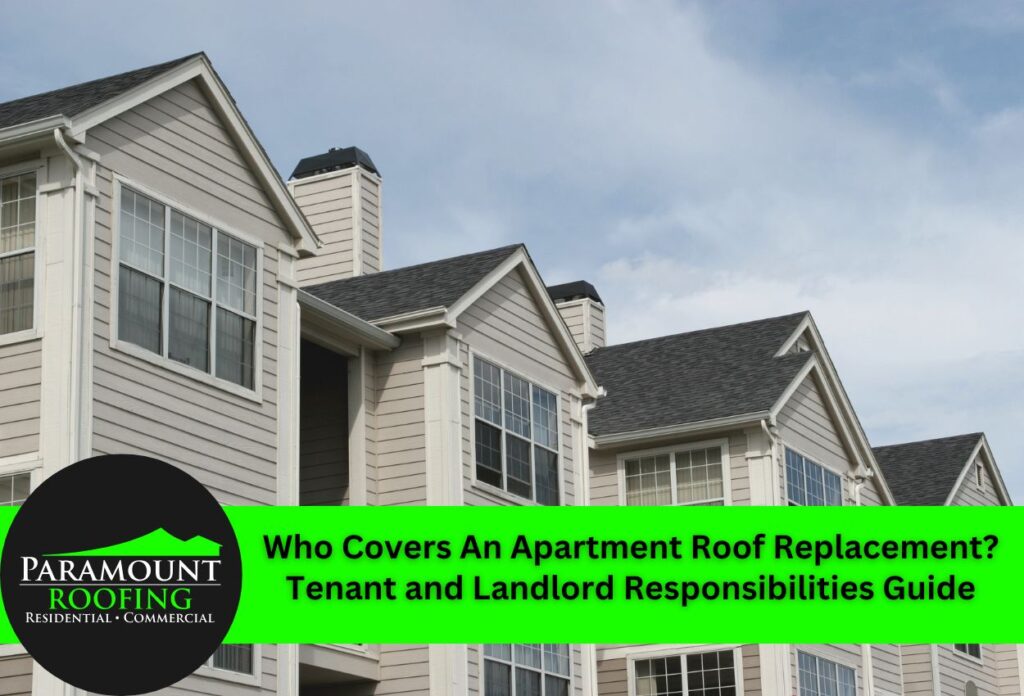
When apartment roofs start leaking or showing signs of serious damage, tenants and property owners often find themselves confused about who handles the replacement costs. Apartment roof replacement responsibility typically falls on different parties depending on the lease agreement, local laws, and the specific circumstances surrounding the damage.
Understanding landlord-tenant roof repair obligations becomes critical when facing major roofing issues. Unlike minor repairs such as fixing a loose shingle or cleaning gutters, roof replacement represents a significant capital expense that affects the entire building. Property management roofing duties generally include everything from basic maintenance to major system replacements that preserve the habitability of rental units.
Most tenants assume their landlord automatically covers all roofing problems, but apartment building roof coverage can vary based on several factors. The cause of damage, lease terms, and local housing regulations all influence who bears financial responsibility. Natural wear and tear typically falls under landlord obligations, while damage from tenant negligence may shift responsibility.
Rental property roof replacement liability can become complex when multiple parties are involved, including property managers, building owners, and insurance companies. Knowing these responsibilities before problems arise helps tenants and property owners avoid disputes and protects everyone’s interests.
*Please note, this article is meant for general educational purposes only and is not intended to represent professional legal advice. Consult with a qualified attorney for advice regarding your specific situation.
Landlord Duties and Legal Requirements for Roof Maintenance
Property owners must comply with specific state and local laws that mandate maintaining structural elements of rental buildings. These regulations establish clear responsibility by requiring landlords to keep roofing systems in safe and weatherproof condition. Most jurisdictions classify roof maintenance as an essential landlord obligation under habitability standards that protect tenant welfare.
Generally, housing codes require property owners to maintain roofs in good repair, preventing water infiltration that could create health hazards or property damage. Local building departments enforce these standards through regular inspections and tenant complaint investigations. When roofing systems fail to meet code requirements, landlords face legal liability and potential penalties for non-compliance.
Emergency situations need immediate landlord action to protect tenants and prevent further structural damage. Property management roofing duties include rapid response to severe leaks, storm damage, or structural compromise that threatens habitability. Landlord roof repair obligations intensify during emergencies, requiring temporary protective measures while permanent repairs are arranged.
Apartment building roof maintenance coverage extends beyond routine upkeep to include major replacements when systems reach the end of their functional lifespan. Legal requirements typically place roof replacement liability on property owners rather than tenants, since roofing constitutes a fundamental building component. Landlords cannot shift this responsibility to tenants through lease agreements that contradict local housing protection laws.
Property Management Companies and Their Roofing Responsibilities
Property management companies operate under specific contractual agreements that define their responsibilities when major roofing issues arise. These agreements typically outline the scope of authority managers have for approving repairs, the financial thresholds requiring owner approval, and protocols for emergencies. Most property management contracts include clear explanations of the differences between routine maintenance decisions and major capital expenditures like full roof replacements.
The decision-making process property managers follow when roof issues arise depends heavily on the severity of damage and associated costs. Minor repairs often fall within their standard operational authority, while any roof maintenance requiring a significant investment usually requires property owner consultation. Property managers must consider both immediate tenant safety needs with their responsibilities to building owners when evaluating roofing problems.
Property management roofing duties include regular inspections, coordinating with qualified contractors, and maintaining documentation of all roofing-related issues and repairs. They serve as intermediaries between tenants reporting problems and property owners making financial decisions. This role is particularly important when determining whether rental property roof replacement liability rests with insurance companies, property owners, or requires emergency action regardless of authorization levels.
When major roofing decisions arise, property managers typically follow established steps involving damage assessment, contractor estimates, and owner communication. Their landlord-tenant roof repair obligations require balancing costs with legal requirements to maintain habitable conditions for all tenants.
Tenant Rights and Responsibilities in Roof Replacement Situations
Tenants possess specific legal protections regarding apartment roof replacement responsibility that ensure safe, habitable living conditions. Most state and local housing laws guarantee tenants the right to weatherproof shelter, which includes functional roofing systems that prevent water intrusion and structural damage. These rights remain non-negotiable regardless of lease terms that might attempt to shift roofing responsibilities to renters.
In general, property management must address tenant complaints about leaks, water damage, or visible roof deterioration within reasonable timeframes. Tenants can legally expect prompt responses to roofing emergencies and adequate temporary measures while permanent repairs are arranged. When landlords fail to address serious roofing problems, tenants may have legal recourse, including rent withholding, repair-and-deduct options, or lease termination, depending on local regulations.
However, tenant actions can influence roof coverage when negligent behavior contributes to roofing damage. Situations involving blocked drainage systems from tenant debris, unauthorized roof access, or failure to report obvious problems promptly may affect responsibility determinations. Insurance companies may even investigate whether tenant negligence contributed to roof damage before approving coverage claims.
Understanding their boundaries helps tenants maintain their rights while avoiding actions that could complicate the roof replacement. Prompt reporting of roofing issues, proper use of common areas, and following building rules regarding roof access protect both tenant rights and landlords. This knowledge ensures appropriate responsibility allocation when major roofing decisions arise.
Insurance Coverage and Who Files Claims for Apartment Roof Damage
Several types of insurance policies can provide coverage for apartment building roof replacements, each with different purposes for specific scenarios. Property insurance is typically the primary coverage source for apartment roof replacement, protecting building owners against damage from covered perils like storms, fire, or sudden structural failure. Commercial property policies usually include dwelling coverage that extends to roofing systems as essential building components.
Landlord insurance policies specifically address rental property roof replacement liability by covering structural damage that affects habitability. These specialized policies often include provisions for loss of rental income during repair periods, helping property owners manage financial impacts while roofing work proceeds. Some policies also cover emergency temporary repairs needed to prevent further damage before permanent roof replacement begins.
Additionally, liability insurance becomes relevant when roof damage affects tenant property or causes injuries, though it typically does not cover the actual roof replacement costs. Understanding which policies apply to specific damage scenarios helps property owners navigate apartment building roof maintenance coverage effectively and avoid unexpected financial exposure.
In most cases, property owners or their designated representatives must file insurance claims for roof damage, as they hold the legal interest in the building. Property management roofing duties often include initiating the claims process, coordinating with insurance adjusters, and providing necessary documentation. Tenants cannot file claims on building insurance policies, though they may need to contact their renters’ insurance for personal property damage resulting from roof leaks.
Emergency Roof Situations and Immediate Responsibility
Emergency roofing situations bypass normal approval processes when immediate action is necessary to protect tenant safety and prevent extensive property damage. Property owners maintain ultimate authority during emergencies, but managers can typically coordinate urgent repairs without waiting for standard authorization. Severe storms, sudden structural failures, or major leaks threatening electrical systems require immediate response regardless of typical approval hierarchies.
Property management roofing duties during emergencies focus on implementing temporary protective measures while arranging permanent solutions. Emergency protocols often include contacting qualified roofing contractors, coordinating temporary tarping or waterproofing, and documenting damage for insurance purposes. These immediate actions help minimize further deterioration and maintain basic habitability standards required under landlord-tenant agreements.
Emergency repair costs typically receive retroactive approval from property owners, since delayed action could result in exponentially higher damage and legal liability. Most property management agreements include provisions allowing managers to authorize emergency roofing work up to specified limits without prior approval. Apartment building roof emergencies often involve coordinating between property managers, insurance representatives, and emergency roofing contractors.
Temporary solutions like emergency tarping, leak containment systems, or partial repairs serve as stopgap measures while permanent roof replacement plans develop. Liability during emergencies remains with property owners, but the urgency of protecting tenants and building integrity justifies immediate action before formal approval processes conclude.
Preventing Roof Problems Through Proper Maintenance and Communication
Having proactive maintenance schedules significantly reduces the likelihood of unplanned apartment roof replacements by addressing problems before they worsen. Regular inspections conducted twice annually help identify minor issues like loose shingles, damaged flashing, or clogged gutters that can lead to extensive damage if ignored. These preventive measures allow property owners to budget for repairs rather than facing unexpected roof replacement during severe weather.
Maintenance programs include seasonal cleaning of drainage systems, inspection of roof materials, and prompt attention to minor leaks or wear patterns. Property management roofing duties encompass scheduling these routine inspections and keeping detailed records of the roof’s condition over time. Documentation helps establish maintenance history for insurance purposes and provides early warning signs before roof replacement becomes necessary.
Effective communication between tenants and property managers creates an early warning system that prevents small roofing problems from developing into premature replacement needs. Tenants who understand their role in reporting water stains, unusual sounds during storms, or visible exterior damage help property managers take care of issues promptly. Clear reporting procedures and responsive property management help fulfill landlord-tenant roof repair obligations before emergency situations develop.
Training tenants to recognize warning signs like water discoloration on ceilings, musty odors, or visible exterior damage allows for faster response times and reduced repair costs. Regularly communicating about building maintenance schedules and seasonal preparation helps protect both tenant comfort and the property while minimizing disputes about roof care responsibility.
Need an Immediate Roof Replacement? Contact Paramount Roofing Today!
If you’re facing urgent roof replacement needs, understanding who is responsible is crucial. Whether you’re a tenant, landlord, or property manager, knowing your obligations and rights can significantly impact how quickly and efficiently the roof issues are addressed. Paramount Roofing is here to assist with expert services to ensure your apartment’s roof is replaced promptly and professionally, minimizing disruption and ensuring safety for all residents.
If you suspect your apartment roof needs immediate attention, call Paramount Roofing at (586) 690-0227 for a comprehensive evaluation and swift, reliable replacement services tailored to meet your specific needs.