 Free Estimate
 Request Service
 Locations
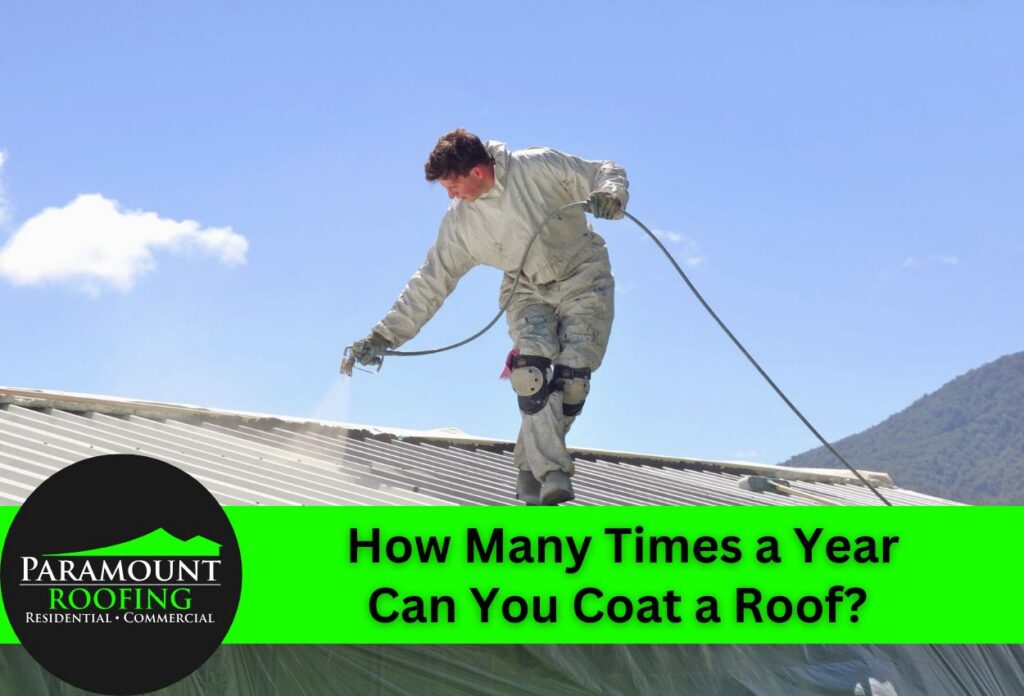

Roof coating adds a protective layer that can extend the life of a roofing system, but applying it at the correct interval helps avoid unnecessary applications and performance issues. Most property owners mistakenly believe roofs require coating multiple times per year, when in reality, applying roof coatings too frequently can trap moisture and cause more harm than good.
The straightforward answer is that roofs typically need coating once every 3 to 7 years, not multiple times annually. A properly applied roof coating creates a seamless, weather-resistant membrane that lasts several years before requiring reapplication. The exact roof recoating schedule depends on several factors, including climate conditions, roof material, coating type, and the quality of the previous application. Understanding how often to recoat a roof prevents unnecessary expense while maintaining the best protection for the structure.
Property owners who apply coatings too frequently waste money and potentially compromise their roof’s structural integrity, while those who wait too long expose their building to leaks and structural damage. Establishing appropriate roof coating maintenance intervals based on professional assessment ensures maximum protection and cost-effectiveness over the roof’s lifetime.
Factors That Determine Your Roof Coating Schedule
Climate conditions play a significant role in determining roof coating maintenance intervals. Roofs in areas with intense sun exposure, high UV radiation, and extreme temperature fluctuations experience faster coating degradation than those in milder climates. Coastal properties face additional challenges from salt-filled air and moisture, which can reduce coating lifespan. Weather patterns, including heavy rainfall, snow accumulation, and severe storms, accelerate coating wear and may need more frequent inspections to determine when recoating becomes necessary.
The type of roofing material and existing coating condition directly influence roof recoating schedule recommendations. Metal roofs typically maintain coatings longer than flat membrane systems, while modified bitumen and built-up roofs each respond differently to coating applications. A well-maintained coating showing minimal cracking or peeling can last considerably longer than one that was improperly applied or has sustained damage. Material composition also affects how coatings adhere and perform over time, making it essential to match coating products to specific roof decks for the best results.
Signs Your Roof Needs Recoating
Visible surface indicators provide clear evidence that a roof coating has reached the end of its protective lifespan. Cracking appears as the coating loses elasticity and can no longer expand and contract with temperature changes. Peeling occurs when the coating separates from the roof deck, creating vulnerable areas where water can leak in. Chalking develops as UV exposure breaks down coating components, leaving a powdery residue that indicates diminished protection. Surface degradation, including blistering, flaking, and color fading, signals that the coating can no longer shield the underlying roof material from environmental damage.
Performance-based symptoms often emerge before visible coating failure becomes obvious. Rising energy bills suggest the reflective properties of the coating have deteriorated, allowing more heat to transfer into the building. Noticeable interior temperature fluctuations indicate reduced thermal performance from compromised coating’s structural integrity. Minor leaks developing in areas that previously remained watertight point to coating breakdown that requires immediate attention. These warning signs help determine the appropriate roof recoating schedule before significant damage occurs to the roof structure itself.
Best Seasons for Applying Roof Coating
Spring and fall typically provide the most favorable conditions for roof coating applications due to moderate temperatures and lower humidity levels. These transitional seasons offer consistent weather patterns that allow coatings to cure properly without interference from extreme heat or cold. Summer applications can succeed in some regions but may present challenges when surface temperatures exceed manufacturer specifications, causing coatings to dry too quickly and compromising adhesion. Winter applications are generally unsuitable for most coating products as cold temperatures prevent proper curing and bonding to the roof deck.
Temperature requirements for successful roof coating application typically range between 50 and 90 degrees Fahrenheit, though specific products may have different thresholds. Surface temperatures matter more than ambient air temperature, as dark roofing materials can become significantly hotter than the surrounding air during sunny days. Humidity levels should remain below 85% during application and the initial curing period to prevent moisture from interfering with the chemical bonding process. Weather forecasts must show a clear window of at least 24 to 48 hours without precipitation to ensure the coating establishes proper adhesion before exposure to moisture.
The Risks of Overcoating Your Roof
Applying roof coatings too frequently creates serious structural and performance problems that undermine the protective benefits these products are designed to provide. Excessive coating buildup traps moisture between layers, preventing proper evaporation and creating conditions that accelerate roof deck deterioration. The accumulated weight from multiple unnecessary coatings places additional stress on the roof structure, particularly problematic for older buildings not designed to support extra weight. Each additional layer reduces the coating system’s flexibility, making it more susceptible to cracking as the roof expands and contracts with temperature changes throughout the year.
Warranty coverage often becomes void when property owners exceed manufacturer-recommended roof coating frequency guidelines. Adhesion failures commonly occur when new coatings are applied over surfaces that haven’t properly weathered or cleaned, resulting in delamination that requires complete removal and replacement. The financial burden of correcting problems caused by overcoating typically far exceeds any perceived benefits from frequent applications. Paramount Building Inc. evaluates existing coating conditions before recommending recoating services, ensuring each application genuinely extends the roof lifespan rather than contributing to premature failure.
Maintenance Practices That Extend Coating Lifespan
Regular roof inspections help property owners identify minor issues before they compromise the coating’s structural integrity and require premature recoating. Quarterly visual assessments allow for early detection of debris accumulation, ponding water, and surface damage that accelerate coating degradation. Scheduled inspections after severe weather to provide opportunities to address storm-related impacts before they expand into larger problems. Documenting coating condition over time establishes baseline information that supports informed decisions about roof recoating schedule requirements and helps property owners avoid unnecessary applications.
Debris removal represents one of the most effective maintenance activities for preserving roof coating performance between applications. Leaves, branches, and organic matter retain moisture against the coating surface, creating conditions that promote premature breakdown and biological growth. Clearing drains and gutters prevents water backup that can pool on the roof and degrade coatings through prolonged exposure.
Addressing minor repairs such as resealing gaps and patching small damaged areas stops localized problems from spreading across larger sections of the coating system, significantly extending how often to recoat a roof while maintaining protective performance.
Creating a Long-Term Roof Coating Plan
Developing a realistic maintenance timeline requires assessment of specific roof characteristics, including material composition, existing coating condition, and exposure factors. Property owners should establish a documented inspection schedule that identifies when professional evaluations become necessary based on the roof’s age and performance history. The timeline should include routine maintenance intervals for cleaning and minor repairs alongside projected recoating dates that align with manufacturer recommendations.
Accounting for budget considerations in the plan ensures that necessary recoating projects receive funding when coating condition warrants application, rather than delaying until emergency repairs become unavoidable.
Working with professional contractors provides an objective assessment of coating condition and eliminates guesswork from determining roof recoating schedule needs. Experienced contractors evaluate factors that property owners might overlook, including roof deck condition beneath existing coatings and compatibility issues with different coating products. Professional recommendations balance the need for protection with practical maintenance intervals that avoid unnecessary applications while ensuring continuous roof performance.
Protect Your Investment with Paramount Roofing’s Expert Coating Services
Understanding the right frequency for roof coating is important to maintaining the structural integrity and longevity of your roofing system. At Paramount Roofing, we specialize in providing top-notch roof coating solutions tailored to your specific needs. Whether you’re dealing with extreme weather conditions or looking to enhance your roof’s durability, our expert team is here to help.
Remember, not all roofs require frequent recoating. Most residential and commercial roofs benefit from a coating every few years, depending on environmental factors and the type of roofing material. Overcoating can lead to issues such as trapped moisture and added weight, which may compromise your roof’s structure and efficiency.
To ensure your roof remains in prime condition, contact Paramount Roofing today at https://paramountbuildinginc.com/. Let us help you create a maintenance schedule that keeps your roof strong and secure year-round.