 Free Estimate
 Request Service
 Locations
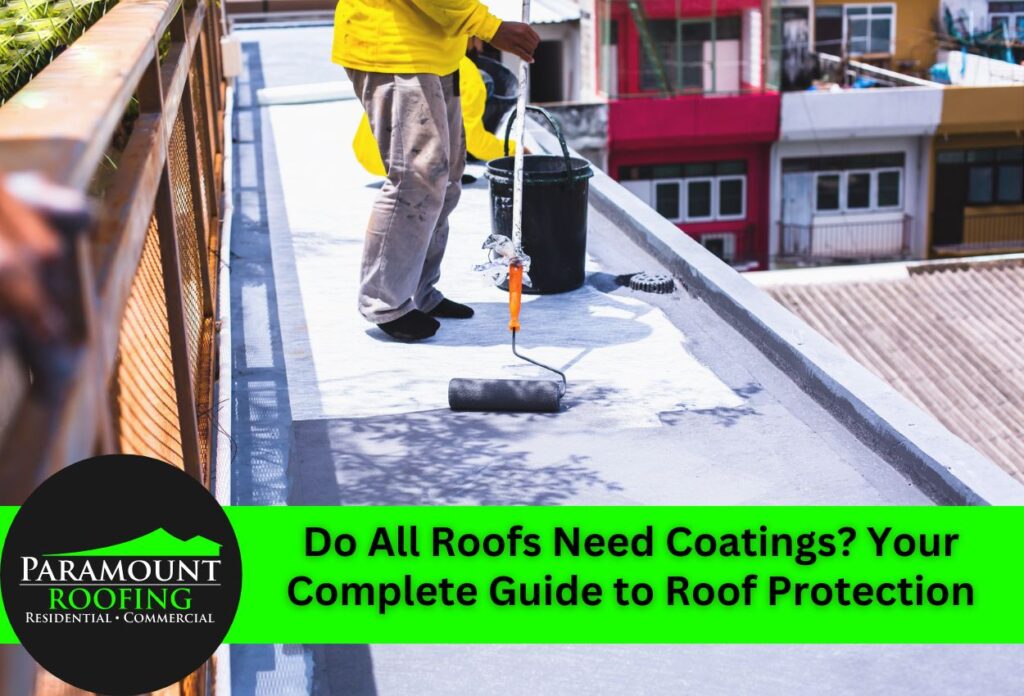

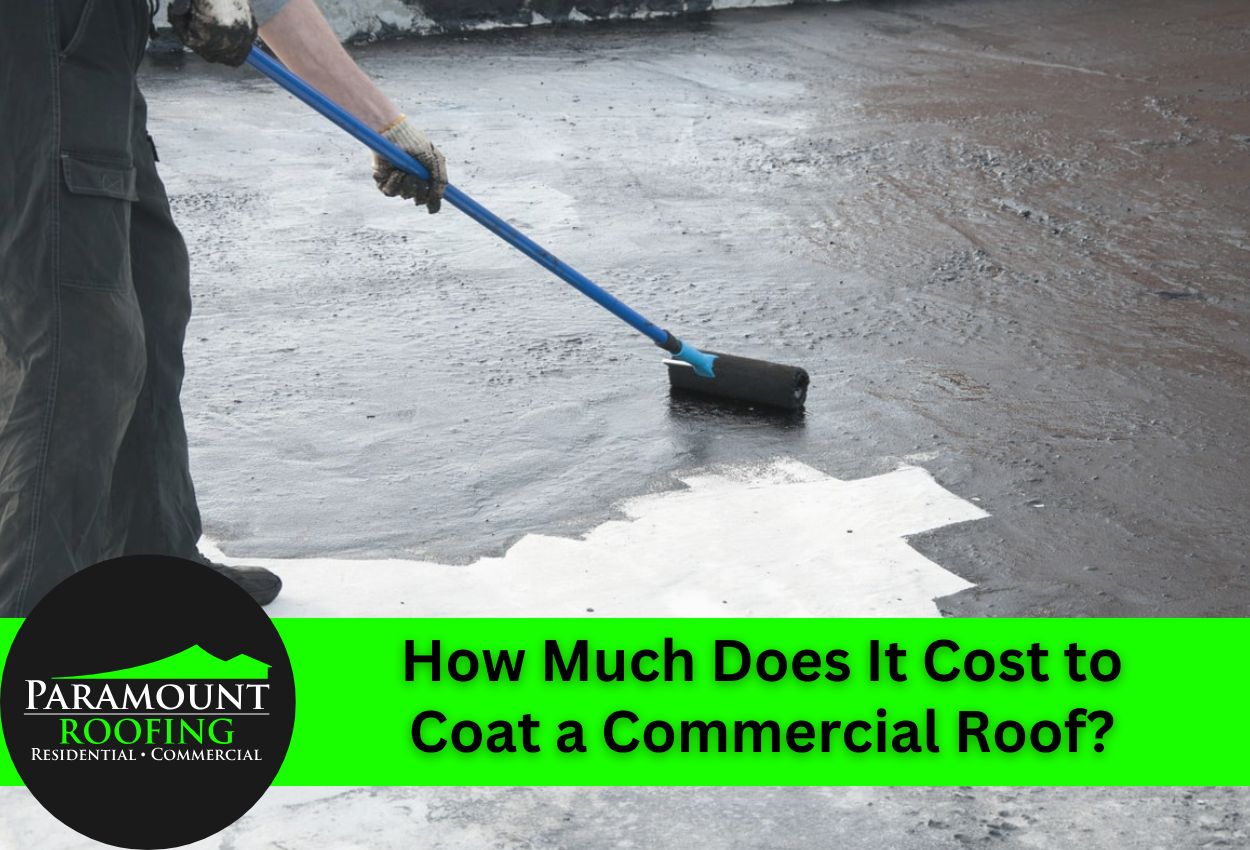
Not every roof requires a coating, but understanding when and why roof coatings make sense can save home and business owners thousands of dollars in premature replacement costs. Roof coatings are liquid-applied membranes that create a protective barrier over existing roofing materials, extending their lifespan and improving performance.
The decision to apply a roof coating depends on several factors, including the current roof material, its age, condition, and the specific challenges it faces. Flat roofs and low-slope commercial buildings often benefit significantly from coating applications, while steep residential roofs may not always require this treatment.
Roof coating benefits include enhanced waterproofing, improved energy efficiency through reflective properties, and protection against UV damage and weather extremes. Different types of roof coatings serve specific purposes, from elastomeric options that handle thermal expansion to silicone varieties that excel in ponding water situations.
Timing also has a crucial role in coating effectiveness. Applying coatings to structurally sound roofs showing early signs of aging delivers optimal results, while severely damaged roofs may require repairs or full replacement instead. Understanding when to coat a roof versus pursuing other maintenance options helps property owners make the best decision for their roofing investments and long-term protection.
Signs Your Roof Could Benefit From a Protective Coating
Identifying when to coat a roof requires recognizing specific warning signs that indicate deterioration before major damage occurs. Surface chalking appears as a powdery residue on roof membranes, indicating UV degradation that coatings can halt. Small cracks or splits in roofing materials, particularly around seams, pipes, and vents, signal aging that protective coatings can seal and prevent from expanding. Fading or discoloration of roof surfaces demonstrates ongoing weathering that coatings can address while improving energy efficiency.
Energy-related symptoms also indicate that coating might be necessary. Rising cooling costs during summer months often result from deteriorating roof surfaces that absorb excessive heat. Dark stains or ponding areas on flat roofs suggest membrane breakdown that waterproof coatings can remedy.
Weather-damaged roofs are prime coating candidates. Roofs showing granule loss on modified bitumen systems, minor punctures from hail, or surface erosion from wind-driven debris benefit from protective coating applications. These conditions, when caught early, respond well to coating treatments rather than requiring full roof replacement.
The key lies in addressing these signs promptly. Roofs displaying these indicators that still have structural integrity make ideal candidates for coating applications, transforming aging surfaces into renewed protective barriers that can extend roof life by years.
Different Roof Materials and Their Coating Requirements
Understanding how various roofing materials respond to coating treatments helps determine whether all roofs truly need this protection. Each roof type has different characteristics that affect coating compatibility and performance outcomes.
Flat roofs generally have the strongest compatibility with coating systems. Single-ply membranes, modified bitumen, and built-up roofs can easily be coated. These low-slope surfaces naturally accumulate UV damage and thermal stress, making roof coating benefits particularly pronounced. The smooth, accessible application surface allows for thorough coverage and proper adhesion.
Metal roofs also present excellent coating candidates when properly prepared. Steel and aluminum surfaces benefit from specialized primers followed by reflective coating systems. These applications reduce thermal expansion, prevent corrosion and rust, and significantly improve energy efficiency. The hard surface allows coatings to form durable, long-lasting barriers against weather exposure.
Asphalt shingles create more complex coating scenarios. While some types of roof coatings work on shingle systems, the textured surface and steep slopes present application challenges. Granule loss and aging affect coating adhesion, requiring a careful evaluation of existing conditions. Many shingle roofs perform adequately without coating treatments when properly maintained.
Tile and slate roofs rarely require coating applications due to their inherent durability and weather resistance. These premium materials typically outlast most coating systems, making treatments unnecessary in most circumstances. The decision of when to coat a roof depends heavily on matching treatment benefits with specific material needs and performance expectations.
Key Advantages of Applying Roof Coatings to Eligible Surfaces
Roof coating benefits include more than simple surface protection, delivering measurable improvements in energy efficiency and structural preservation. These liquid-applied membranes transform aging roof surfaces into high-performance barriers that address multiple building challenges simultaneously.
Energy savings represent the most immediate advantage property owners notice after coating application. Reflective coatings reduce roof surface temperatures by up to 50 degrees, dramatically lowering cooling needs during hot summer months. This temperature regulation occurs because coatings reflect solar radiation rather than absorbing heat like traditional dark roof surfaces. The resulting reduction in air conditioning usage translates to noticeable utility bill decreases throughout the season.
UV protection is another advantage of roof coatings. Ultraviolet rays continuously break down roofing materials through photodegradation, causing cracking, brittleness, and membrane failure. Quality coatings create an effective shield against this damage, preventing the molecular breakdown that leads to premature roof replacement. This protective barrier maintains material flexibility and integrity far longer than uncoated surfaces.
Beyond UV protection, coatings also protect against harsh weather conditions. Rain, hail, wind, and temperature fluctuations constantly stress roofing systems. Coatings provide an additional defense layer that absorbs impact, seals minor gaps, and maintains waterproof integrity. The seamless membrane created by proper coating application eliminates many potential failure points that develop in aging roof systems, creating a proactive maintenance strategy rather than reactive repair.
Timing Your Roof Coating Application for the Best Results
Timing often determines the difference between successful coating applications and premature failures. Understanding ideal age and condition requirements ensures coating investments deliver maximum performance and longevity.
Roof age plays a critical role in coating success. Most roofing materials benefit from coating applications between their mid-life point and approximately 75% of their expected lifespan. This timing captures roofs while structural integrity remains sound, but surface deterioration has begun. Applying coatings too early wastes the protective investment, while waiting too long may require extensive repairs before coating becomes viable.
A surface condition assessment determines coating readiness more accurately than age alone. Roofs displaying minor wear, surface cracking, or UV damage make ideal candidates. However, extensive ponding water, structural damage, or saturated insulation must be corrected before coating application, as the substrate must provide stable adhesion points for long-term coating performance.
Seasonal considerations significantly impact coating installation. Spring and fall applications typically deliver optimal results due to moderate temperatures and lower humidity levels. Summer heat can cause rapid curing that prevents proper adhesion, while winter temperatures often prohibit curing entirely. Avoiding rainy seasons prevents moisture entrapment that leads to coating failures.
Weather conditions during application must be carefully monitored. Temperatures between 50 and 85 degrees Fahrenheit with low humidity are ideal for curing. Wind speeds should remain minimal to prevent dust and debris from contaminating the coating and ensuring even application thickness. These controlled conditions maximize coating benefits and establish proper membrane formation for long-term protection.
Coating Your Existing Roof vs. Full Roof Replacement Options
Property owners facing aging roofs must weigh the financial implications of coating applications against complete replacement costs. This decision requires considering both the immediate investment requirements and long-term value propositions for each approach.
Roof coating vs. replacement decisions often favor coating when existing structures have sound foundations. Coating applications typically cost significantly less than full replacements while extending roof life by years. The investment pays off through continued protection without the disruption and expense of complete roof removal and installation. However, this option only works when the underlying materials can support the coating system effectively.
Replacement becomes necessary when structural damage compromises the roof’s ability to support coating applications. Extensive water damage, rotted decking, or saturated insulation systems cannot be remedied through surface treatments alone. These conditions require complete removal and reconstruction to restore building protection.
Evaluating roof condition determines the appropriate path forward. Minor surface deterioration, UV damage, and early-stage membrane aging respond well to coating treatments. Conversely, multiple leak points, significant ponding areas, or extensive granule loss may indicate that coating applications will fail prematurely, making replacement the more cost-effective long-term solution. How long a roof coating lasts often becomes relevant when comparing it against complete replacement, helping property owners understand the total cost of ownership for each option.
Expected Lifespan and Maintenance of Professional Roof Coatings
Understanding how long roof coating systems maintain their protective properties helps property owners set realistic expectations for their investment. Professional coating applications typically deliver around 10 years of reliable service when applied to properly prepared surfaces under appropriate conditions.
Climate conditions significantly influence coating durability and performance over the years. Extreme temperature fluctuations, intense UV exposure, and frequent severe weather can reduce a coating’s lifespan compared to moderate climate zones. High-quality elastomeric and silicone coating options demonstrate superior resilience against environmental stresses, often exceeding manufacturer warranty periods when properly maintained.
Regular maintenance extends coating life substantially beyond basic warranty coverage. Simple annual inspections identify minor issues before they compromise system integrity. Cleaning debris from roof surfaces prevents membrane damage and maintains proper drainage patterns. Addressing small punctures or worn areas through spot repairs prevents widespread coating failure that would require complete reapplication.
Roof coatings remain in optimal condition when property owners commit to basic upkeep. Power washing removes accumulated dirt and organic growth that can degrade coating surfaces, while clearing drains and gutters prevents water backup that stresses coating seams. These straightforward maintenance steps protect the coating while maximizing its protective capabilities.
Different types of roof coatings require varying maintenance approaches, but all benefit from proactive care that identifies problems early and maintains clean, functional surfaces throughout their expected service life.
Maximize Your Roof’s Lifespan with Paramount Roofing
If you’re considering ways to improve the longevity and efficiency of your roof, now is the perfect time to explore the benefits of roof coatings. At Paramount Roofing, we understand that not every roof requires a coating, but many can significantly benefit from one. Coatings can protect against UV rays, improve energy efficiency, and extend the life of your roof, especially in the Detroit climate.
Is your roof showing signs of wear or inefficiency? Coatings are an affordable solution compared to full replacements and can be applied quickly and efficiently by our team. Protect your investment and enhance your property’s performance by choosing the right coating for your roof type.
Call Paramount Roofing today at (586) 690-0227 to schedule a consultation and learn more about how our roof coating solutions can benefit your home or commercial building.