
 Free Estimate
 Request Service
 Locations
Key Points:
- Yes, you can do a roof inspection in the snow, but it requires careful planning, specialized equipment, and following strict safety protocols.
- Safety is crucial, requiring specialized gear, pre-inspection assessments, and careful consideration of ice, wind, and temperature.
- Snow and ice uniquely reveal and cause hidden problems like ice dams, poor insulation, and structural stress.
Yes, you can do a roof inspection in the snow, but it requires careful planning and specialized safety protocols. Winter roof inspection safety becomes paramount when Detroit’s harsh climate creates challenging conditions that demand professional expertise and proper equipment.
Snow-covered roofs present unique obstacles that don’t necessarily prevent inspections from occurring. Professional roofers can assess roof damage and evaluate roofs in cold weather when proper techniques are employed. The key lies in understanding when conditions allow for safe access and effective evaluation.
Weather conditions play a crucial role in determining inspection possibility. Fresh, powdery snow may allow for careful assessment, while icy conditions or heavy accumulation often require waiting for better weather conditions for roof inspections. Temperature, wind speed, and snow depth all factor into safety decisions.
Winter roof maintenance needs don’t pause for perfect weather. Understanding the possibilities and limitations of cold-weather inspections helps property owners make informed decisions about addressing potential roof issues before they escalate into costly problems during Michigan’s demanding winter months.
Safety First When Inspecting Snow Covered Roofs
Winter roof inspection safety demands specialized equipment and careful assessment before attempting any evaluation. Essential protective gear includes non-slip boots with deep treads, insulated clothing layers, and professional-grade fall protection systems specifically designed for cold weather.
Safety harnesses must be properly fitted over winter clothing, while rope systems require regular checks for ice buildup that could compromise their effectiveness. Quality footwear becomes critical when assessing snow roof damage, as standard work boots often lack the traction needed for snow-covered surfaces.
Pre-inspection safety assessments determine whether weather conditions for roof inspections allow safe access. Professional roofers evaluate ice formation patterns, snow depth, and underlying surface conditions before proceeding. Temperatures near freezing create particularly hazardous situations where snow melts and refreezes, forming dangerous patches of ice.
Wind conditions significantly impact safety during evaluations for winter roof maintenance. Even light breezes can create treacherous situations when combined with snow and cold temperatures that reduce grip strength and reaction times. Professional assessment helps determine when conditions make inspection attempts too dangerous, protecting both workers and property owners from unnecessary risks.
Ideal Weather Conditions for Winter Roof Inspections
Temperature ranges between 20 to 35 degrees Fahrenheit create the best conditions for winter roof inspection safety, allowing snow to maintain stability while preventing dangerous ice formation. These moderate winter temperatures enable professionals to safely evaluate roofs in cold weather without encountering the slippery hazards that occur during freeze-thaw cycles.
Clear, calm weather patterns provide the best weather conditions for roof inspections during snowy periods. Light winds under 10 mph prevent snow from shifting or blowing, while stable atmospheric pressure reduces the likelihood of sudden weather changes that could compromise safety during assessment.
Fresh, dry snow typically offers better footing than wet, heavy snow when assessing roof damage. Powder snow compacts predictably underfoot, while wet snow creates unstable surfaces that shift unexpectedly. Snow depths exceeding 8 to 12 inches generally indicate waiting for better conditions is necessary.
Severe weather indicators that prevent safe inspections for winter roof maintenance include temperatures below 15 degrees, active precipitation, winds exceeding 15 mph, or icy surface conditions. Professional roofers recognize when conditions create unacceptable risks, prioritizing safety over immediate assessment needs. Waiting for stable weather patterns ensures thorough evaluation without compromising worker safety.
What Roof Damage Snow and Ice Conditions Reveal
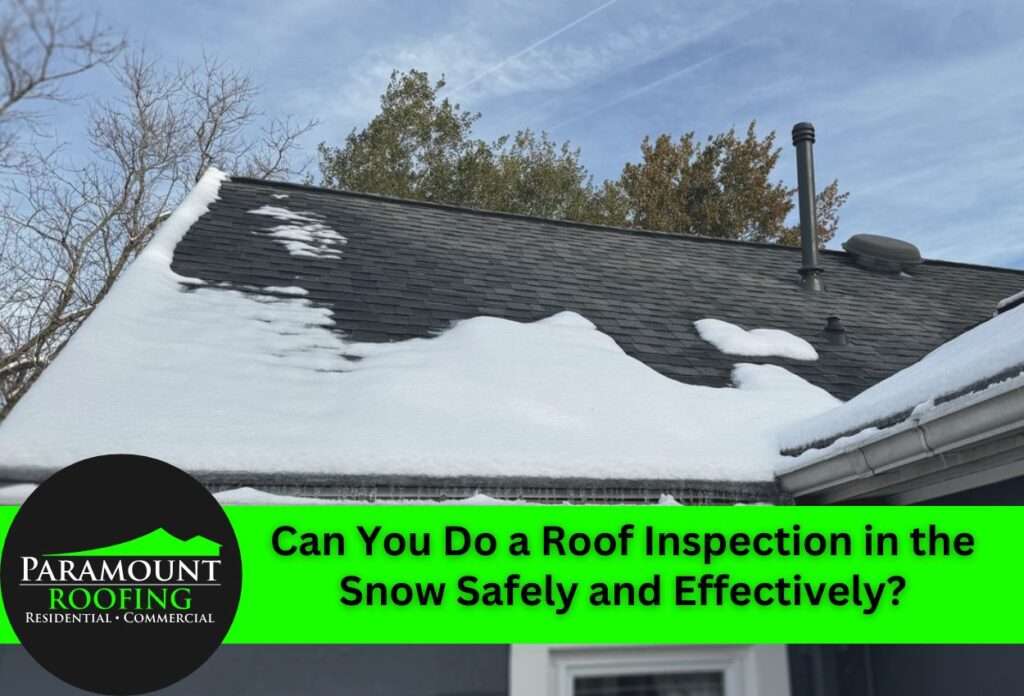
Snow and ice accumulation on roofs can expose critical structural problems that might otherwise remain hidden during warmer months. When conducting a roof inspection in the snow, trained professionals can identify ice dam formation along gutters and eaves, which signals inadequate insulation or ventilation issues within the attic.
Winter weather creates unique opportunities for assessing roof damage that reveal underlying structural weaknesses. Uneven snow melting across roof surfaces often indicates hot spots where heat escapes through poor insulation, while sagging areas under snow load can expose compromised structural integrity that requires immediate attention.
Evaluating roofs in cold weather also helps identify ventilation problems that affect the overall performance of the roof. Icicle formation and frost buildup in specific areas point to air circulation issues that can lead to moisture damage and reduced energy efficiency throughout the home’s heating system.
Winter roof inspection safety protocols allow professionals to document these seasonal indicators while conditions make them most visible. Snow accumulation patterns help reveal drainage problems, flashing failures, and membrane deterioration that standard inspections might miss, providing valuable insights for comprehensive winter roof maintenance planning.
Professional Inspection Techniques for Inspections in Cold Weather
Professional roofing contractors use specialized methods when conducting a roof inspection in the snow that go far beyond standard visual assessments. Thermal imaging cameras become valuable tools that can be utilized during winter evaluations, detecting heat loss patterns and moisture intrusion that snow cover would otherwise conceal from traditional inspection techniques.
These infrared devices reveal temperature variations across roofing surfaces, helping inspectors identify insulation gaps, air leaks, and structural problems even when snow obscures visual signs.
Experienced inspectors adapt their standard procedures when assessing snow roof damage by focusing on accessible areas first, then using specialized equipment to evaluate covered sections. Drone technology has revolutionized cold weather assessments, allowing detailed overhead photography without requiring direct roof access when conditions make traditional methods too dangerous.
Professional contractors combine visual inspection strategies with advanced tools, ensuring accurate evaluations for winter roof maintenance planning while prioritizing safety throughout the assessment process.
When Emergency Winter Roof Inspections Cannot Wait
Certain warning signs require immediate roof inspections despite snowy conditions, making emergency assessments necessary regardless of weather challenges. Interior water leaks, visible ceiling stains, or active dripping indicate roof damage that requires prompt professional evaluation to prevent extensive structural damage.
Ice dam formation creates urgent situations where waiting for snow to melt could result in catastrophic interior flooding. When ice blocks proper drainage, water backs up under shingles and enters the home’s interior, causing damage that escalates rapidly with each passing day of continued exposure.
Visible exterior damage such as missing shingles, damaged flashing, or sagging roof sections becomes critical during the winter when these vulnerabilities allow moisture in. Cold temperatures can freeze trapped water, causing expansion that worsens existing damage and creates new structural problems throughout the roofing system.
Emergency winter roof inspection safety protocols enable professionals to address these urgent situations when standard scheduling would be inadequate. Power outages, heating system failures, or sudden temperature drops can transform minor roofing issues into major structural emergencies that demand immediate professional assessment and intervention to protect both property and occupant safety.
Preparing Your Property for Winter Roof Inspection
Property owners should take specific preparatory steps before scheduling winter roof inspections to ensure both safety and effectiveness. Clearing access paths around the property perimeter allows roofing professionals to move equipment safely while providing multiple exit routes if weather conditions deteriorate during the assessment process.
Documenting visible concerns from the ground helps inspectors prioritize areas requiring closer examination when assessing snow roof damage. Property owners should photograph ice dam formation, icicle patterns, and any visible exterior damage while noting interior signs like water stains or temperature variations between rooms that might indicate roofing problems.
Removing obstacles such as outdoor furniture, holiday decorations, and stored equipment creates clear workspaces essential for winter roof inspection safety protocols. Ensuring adequate lighting around inspection areas becomes critical during shorter winter days as well, when best weather conditions for roof inspections may occur during limited daylight hours.
Coordinating with roofing professionals involves discussing timing strategies that balance safety concerns with urgent maintenance needs. Experienced contractors can advise when current snow conditions allow safe evaluation and whether immediate assessment outweighs waiting for improved weather conditions for roof inspections and permanent work.
Trust Paramount Roofing for Winter Roof Inspections in Detroit
Are you worried about the integrity of your roof this winter? Don’t wait for the snow to melt to discover potential damage. Paramount Roofing specializes in conducting thorough roof inspections under snowy conditions. Our experienced team is equipped with the right tools and knowledge to safely evaluate your roof, ensuring that any issues like ice dams or structural stresses are promptly identified and addressed.
Winter doesn’t have to put a freeze on maintaining the safety and functionality of your roof. With Paramount Roofing, you can feel confident that your roof is in capable hands, even during Detroit’s harsh winter months. We follow strict safety protocols and use advanced inspection techniques to provide reliable assessments, regardless of the weather.
Don’t let snow and ice cause unnoticed damage to your roof. Call Paramount Roofing today at (586) 690-0227 to schedule a professional winter roof inspection and ensure your home stays protected year-round.