
 Free Estimate
 Request Service
 Locations
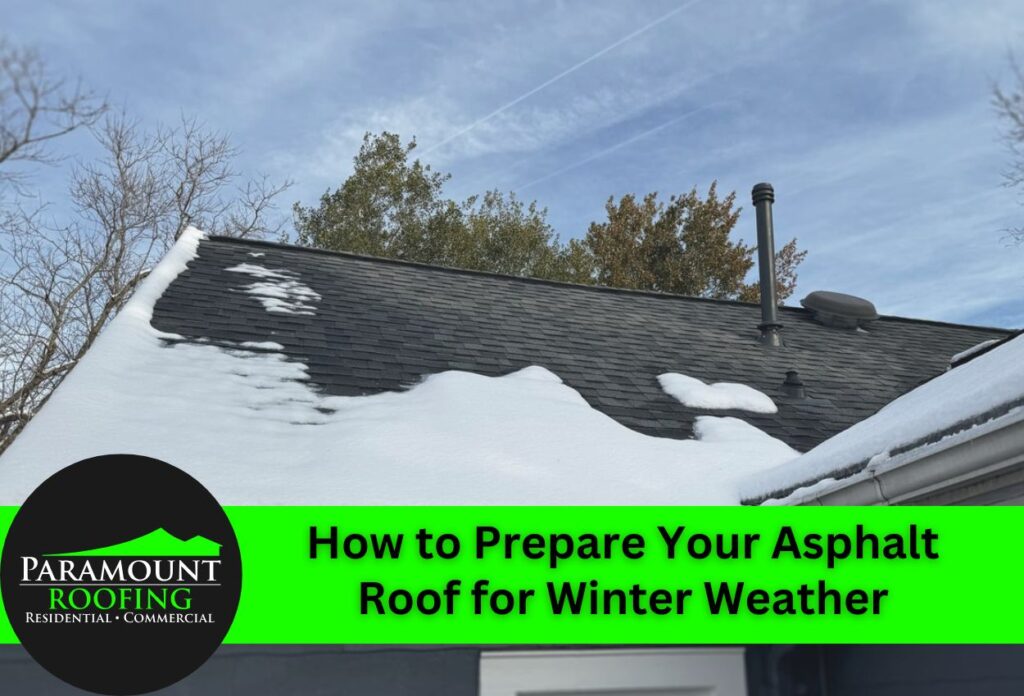

Winter weather creates significant challenges for asphalt shingle roofs across Michigan. Snow accumulation, freezing temperatures, and ice formation can cause extensive damage that leads to expensive repairs when spring arrives.
Asphalt shingle roof maintenance becomes critical as temperatures drop and precipitation increases. Ice dams form when warm air from inside homes melts snow on the roof, creating water that refreezes at the gutters and eaves. This process damages shingles, causes leaks, and puts stress on the entire roofing system.
Understanding how to prevent ice dams on roof surfaces saves homeowners from water damage and structural problems. A proper roof inspection before winter identifies loose or damaged shingles, clogged gutters, and inadequate insulation that contribute to winter roofing issues. Asphalt roof winter damage prevention requires attention to multiple factors, including ventilation, insulation, and the condition of the roofing materials.
Taking action during autumn ensures roofing systems remain intact throughout Michigan’s challenging winter season. Simple preparation steps make the difference between minor maintenance and major reconstruction projects.
A Pre-Winter Roof Checklist
A thorough roof inspection before winter reveals potential problems that could become expensive emergencies during Michigan’s harsh weather conditions. Start by examining asphalt shingles from ground level using binoculars to identify missing, cracked, or curling shingles that allow leaks. Check for exposed nail heads, loose granules in gutters, and any shingles that appear darker than others, which indicates moisture damage.
Inspect the flashing around chimneys, vents, and roof valleys where ice dams commonly form, keep an eye out for gaps, rust, or separation between it and roofing materials. These areas require immediate attention since they represent the most vulnerable points for leaks during freeze-thaw cycles.
Gutter systems need to be examined for proper drainage and structural integrity. Remove leaves and debris that block water flow, and ensure gutters slope toward downspouts. Check for loose brackets, holes, or sections pulling away from the roofline.
Warning signs that require professional attention include multiple damaged shingles across large roof sections, sagging areas, or visible daylight through roof boards when viewed from the attic. Water stains on interior ceilings or walls indicate active leaks that need immediate professional assessment. Asphalt shingle roof maintenance performed by experienced contractors prevents minor issues from developing into major structural damage during winter.
Critical Gutter System Maintenance and Cleaning
Clean gutters play an essential role in preventing ice dam formation and protecting asphalt shingle roofs during winter. Leaves, twigs, and debris create blockages that prevent proper water drainage, causing melted snow to accumulate and refreeze along roof edges. This standing water backs up under shingles and creates significant damage to both roofing materials and interior spaces.
Removing all organic matter from gutters and downspouts eliminates the foundation for ice dam development. Pay special attention to downspout connections where leaves commonly create blockages. Use a garden hose to flush remaining debris and test water flow throughout the entire system. Gutters should drain completely within minutes of testing, indicating proper slope and clear pathways.
Clogged gutters force melted snow to seek alternative drainage paths, often flowing back under asphalt shingles and into attic spaces. These leaks damage insulation, ceiling materials, and wall structures while creating conditions for mold growth. The weight of accumulated ice also stresses gutter brackets and can pull sections away from the roofline.
Professional gutter cleaning ensures the thorough removal of compacted debris that homeowners often miss during DIY maintenance.
Proven Strategies to Prevent Ice Dam Formation
Ice dams develop when heat escapes through the roof deck, melting snow that refreezes at cold roof edges and gutters. This creates a cycle where water backs up under asphalt shingles, causing leaks and structural damage. Understanding this process helps homeowners implement effective prevention strategies before winter weather arrives.
Proper attic insulation prevents warm air from reaching the roof surface and creating the temperature differential that causes ice dam formation. Check attic insulation levels and seal air leaks around light fixtures, exhaust fans, and plumbing gaps. These gaps allow heated air to reach the roof deck and melt snow unevenly across the surface.
Adequate roof ventilation balances attic temperatures with outdoor conditions, preventing snow from melting and refreezing at roof edges. Installing ridge vents and soffit vents to create continuous airflow that keeps the entire roof surface at consistent temperatures can be helpful. This ventilation system works alongside insulation to maintain proper thermal boundaries.
Professional assessment identifies specific heat loss patterns that create conditions for ice dam development. Thermal imaging reveals problem areas where insulation doesn’t cover the area properly or ventilation issues compromise the roof system. Addressing these underlying causes provides long-term protection rather than temporary solutions that fail during severe weather conditions. Effective fall roof preparation includes these comprehensive measures to prevent ice dams on roof surfaces throughout winter.
Addressing Loose or Damaged Shingles Before Winter
Identifying compromised asphalt shingles requires specific damage patterns to be examined that develop over time. Curled shingle edges indicate aging materials that allow wind-driven rain and snow to work their way underneath. Cracked or split shingles create direct pathways for leaks, while missing shingles expose the underlying roof deck to harsh weather conditions.
Loose shingles often have lifted edges where sealant strips have failed or nails have worked loose through seasonal expansion and contraction cycles. Dark streaks or discoloration on shingle surfaces signal granule loss that reduces weather protection. Shingles with exposed or protruding nails can create vulnerable points where water can enter and cause deck damage during freeze-thaw cycles.
Simple repairs that homeowners can safely manage include replacing individual missing shingles, applying roofing cement under loose edges, and securing lifted corners with appropriate fasteners. These minor fixes prevent leaks when addressed quickly during dry weather conditions.
Extensive damage patterns require professional roofing services to ensure proper weatherproofing. Multiple damaged shingles across large sections, roof deck problems, or widespread granule loss indicate system-wide issues beyond homeowner capabilities. Professional contractors possess the specialized materials, tools, and experience necessary for comprehensive repairs that withstand Michigan’s challenging winter conditions. Addressing these problems before winter protects the entire roofing system from accelerated deterioration caused by moisture infiltration and thermal stress.
Attic Insulation and Ventilation Improvements
Proper attic conditions directly impact asphalt roof performance during winter by controlling temperature regulation and moisture levels. When attic insulation fails to maintain consistent temperatures, heat escapes through the roof deck and creates uneven snow melt patterns that lead to ice dam formation. This thermal imbalance puts stress on asphalt shingles and creates conditions for water infiltration and structural damage.
Adequate attic ventilation works alongside insulation to prevent moisture buildup that damages both roofing materials and interior components. Poor ventilation allows humid air to condense on cold surfaces, creating conditions for mold growth and wood rot. Balanced airflow between soffit and ridge vents maintains proper moisture levels while preventing the temperature fluctuations that compromise a roof’s structural integrity.
Cost-effective insulation improvements include sealing air leaks around gaps and adding blown-in insulation to achieve the recommended R-values for Michigan’s weather. Installing additional ridge vents or soffit vents improves airflow when existing ventilation proves insufficient. These upgrades protect roof investments by reducing thermal stress on asphalt shingles and preventing ice-related damage.
Professional energy assessments identify specific insulation gaps and ventilation deficiencies that impact roof performance. Proper attic conditions reduce energy costs throughout winter while extending the lifespan of asphalt shingle systems. These improvements represent essential components of comprehensive asphalt roof winter damage prevention strategies that address underlying causes rather than surface symptoms.
Professional Maintenance Services and Emergency Preparedness
Professional roof inspection services provide comprehensive assessments that identify potential problems before they become winter emergencies. Schedule these evaluations during October when weather conditions allow by examining all roofing components. Qualified contractors examine areas that homeowners cannot safely access and possess specialized tools to detect issues invisible from ground level.
Professional roofing contractors evaluate structural integrity, flashing conditions, and ventilation systems using industry standards that ensure complete winter readiness. These inspections include thermal imaging to identify heat loss patterns, detailed assessments of shingle attachment, and evaluation of drainage systems. Contractors provide written reports documenting current conditions and recommended maintenance actions.
Emergency preparation requires homeowners to recognize warning signs that need immediate professional intervention. Water stains appearing on interior ceilings, ice accumulation along roof edges, or visible sagging indicate problems requiring urgent attention. Keep contact information for reputable roofing contractors readily available since delays during winter storms can result in extensive property damage.
Establish relationships with qualified roofing professionals before emergencies occur to ensure a quick response when problems develop. Many contractors offer seasonal maintenance agreements that include priority service during severe weather events. Professional asphalt shingle roof maintenance provides peace of mind and protects property investments throughout Michigan’s challenging winter conditions. Emergencies require immediate action to prevent minor problems from becoming major structural damage.
Ensure Your Roof’s Integrity This Winter with Paramount Roofing
Preparing your asphalt shingle roof for Michigan’s harsh winter conditions is crucial. At Paramount Roofing, we understand the challenges posed by winter weather and provide expert services to prevent potential damage. An inspection of your roof before the cold sets in can save you from expensive repairs caused by snow, ice, and freezing temperatures.
Don’t wait for winter to uncover any vulnerabilities in your roofing system. Call us today at (586) 690-0227 for a comprehensive pre-winter inspection. Our experienced technicians will assess your roof for signs of wear or damage, ensure proper attic insulation and ventilation, and suggest necessary repairs to safeguard your home.