
 Free Estimate
 Request Service
 Locations
Why Timing Your Attic Insulation Installation Makes a Big Difference
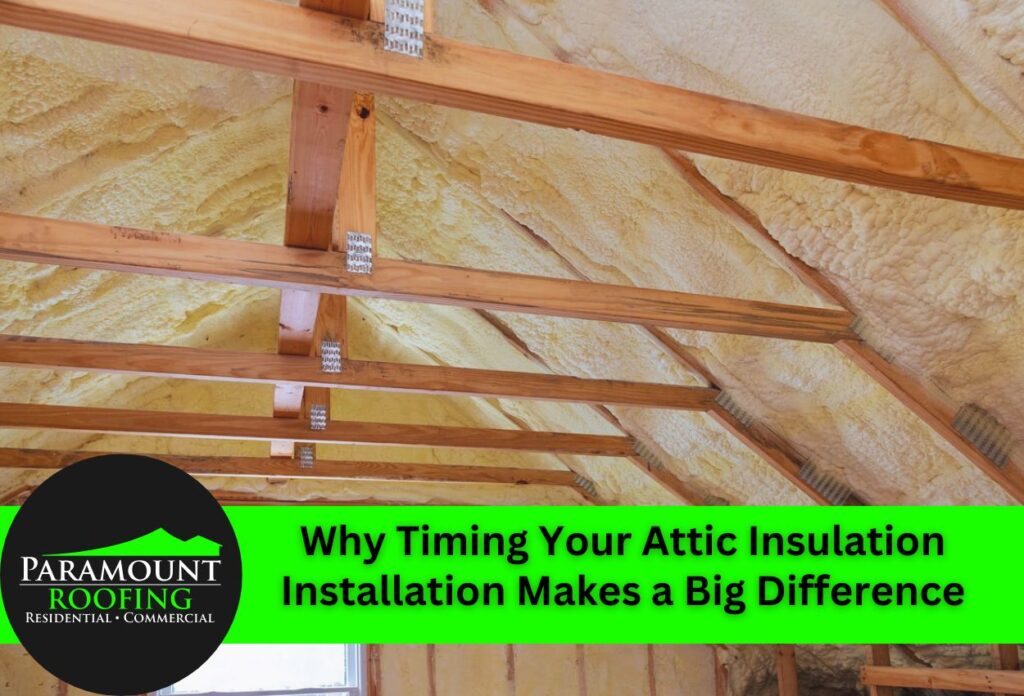

The best time to install attic insulation can significantly impact both your comfort and energy bills throughout the year. Many homeowners rush into an installation without considering how outdoor temperatures and weather affect both the installation process and the long-term performance of their insulation.
Weather conditions, contractor availability, and your home’s heating and cooling needs all play important roles in determining the best installation window. Installing attic insulation during the wrong season can lead to uncomfortable working conditions, rushed installations, and missed opportunities for maximum energy savings.
Understanding seasonal insulation installation benefits helps homeowners make informed decisions about when to upgrade their attic’s thermal barrier. Temperature extremes, humidity levels, and precipitation patterns directly influence the attic insulation installation process.
Several key factors determine the ideal timing for your insulation project. Contractor schedules tend to fluctuate with seasonal demand, while extreme temperatures can make attic work challenging for installation crews. The condition of your existing insulation and your home’s current energy performance all contribute to timing considerations.
Smart timing transforms attic insulation from a simple home improvement project into a strategic investment that delivers consistent attic insulation energy savings year-round.
Weather Conditions That Impact Installation Success
Temperature extremes significantly affect both the performance of the insulation material and the quality of the attic insulation installation process. When attic temperatures soar above 120 degrees Fahrenheit during summer, installation crews face dangerous working conditions that can lead to rushed work and compromised installation quality.
Precipitation presents serious obstacles for attic access and material handling during installation projects. Rain and snow can make roof access dangerous while potentially exposing insulation materials to moisture that compromises their thermal performance. Wet conditions often force project delays that go beyond initial installation timelines.
Southeast Michigan’s weather during spring and fall typically offers the most stable temperatures and lower humidity levels, allowing crews to focus on thorough installation techniques rather than battling environmental challenges.
Extreme cold affects insulation material flexibility and handling characteristics, making precise installation more difficult. When signs you need new attic insulation become apparent during winter, contractors often recommend scheduling work in more favorable weather conditions to ensure proper material performance and installation quality that delivers maximum attic insulation energy savings throughout the year.
Spring Installation Benefits and Considerations
Spring emerges as the optimal season for attic insulation installation due to moderate temperatures that create comfortable working conditions for installation crews. Unlike summer’s extreme heat or winter’s bitter cold, spring weather allows contractors to work efficiently in attic spaces without battling temperature-related challenges that can compromise the quality of an installation.
The mild conditions during spring enable thorough preparation work that’s essential for proper insulation performance. Contractors can carefully assess existing insulation conditions, identify air leaks, and complete necessary repairs without rushing through the process.
Installing new insulation during spring strategically positions homes for maximum cooling efficiency before summer heat arrives. Fresh insulation creates an effective thermal barrier that prevents conditioned air from escaping and reduces the workload on air conditioning systems during peak cooling season.
Spring installation timing also allows homeowners to immediately identify any signs they need new attic insulation adjustments before energy needs peak. This proactive approach ensures the best possible performance when cooling costs typically spike during summer.
The seasonal advantage extends beyond installation comfort. Spring weather provides stable conditions for different attic insulation types and materials to settle properly, ensuring consistent coverage and performance. Contractors can dedicate proper attention to sealing gaps and achieving uniform distribution without weather-related time pressures that might affect installation thoroughness.
Fall Installation Advantages for Winter Preparation
Fall presents exceptional opportunities for attic insulation installation as moderate temperatures create ideal working conditions before Michigan’s harsh winter weather arrives. The comfortable autumn climate allows installation crews to work methodically through the attic insulation installation process without battling extreme heat or freezing conditions that can compromise work quality.
Installing insulation during the fall ensures heating systems operate at peak efficiency throughout the coldest season. Fresh insulation creates a robust thermal barrier that prevents air from escaping through the attic, reducing strain on furnaces and boilers when energy demands reach their annual peak.
The timing advantage becomes particularly valuable as heating costs typically surge during winter months. New insulation installed before cold weather arrives immediately begins delivering energy savings when homeowners need them most. This strategic timing maximizes the return on insulation investments during the season when thermal performance matters most.
Signs That Indicate Your Home Needs Immediate Insulation Attention
Certain warning signs demand immediate attention regardless of the best time to install attic insulation according to seasonal schedules. Energy bills that suddenly spike without corresponding changes in usage patterns often indicate compromised insulation that’s allowing conditioned air to escape through the attic space.
Temperature inconsistencies throughout your home are signs of issues with your insulation that require an evaluation. Rooms that feel significantly warmer or cooler than others suggest thermal barriers have failed, forcing heating and cooling systems to work harder while failing to maintain comfortable conditions.
Physical signs that you need new attic insulation become apparent through visible indicators that shouldn’t be ignored. Ice dams forming along roof edges during the winter indicate heat loss through inadequate insulation, creating conditions where melting snow refreezes and potentially damages roofing systems.
Drafts allow outdoor air to infiltrate living spaces while conditioned air escapes, reducing comfort and increasing energy consumption throughout the year.
Moisture problems in attic spaces signal ventilation and insulation issues that require immediate professional assessment. Condensation, mold growth, or water stains indicate conditions that can damage both types of attic insulation materials while creating unhealthy indoor air quality. These urgent signs override typical seasonal installation timing because delayed action can lead to extensive property damage and health concerns that far exceed the inconvenience of off-season installation work.
Choosing the Right Insulation Materials for Different Installation Times
Different attic insulation types and materials respond uniquely to seasonal conditions during installation and long-term performance. Understanding how weather patterns affect insulation materials helps homeowners select products that deliver optimal results regardless of when the attic insulation installation process occurs.
Fiberglass Batts: Fiberglass batts provide steady thermal performance throughout the year, but must be installed carefully in humid conditions. Moisture absorption can ruin this insulation’s efficiency. Moderate temperatures in the spring and fall are best for the installation of this insulation.
Cellulose: Cellulose insulation performs best when installed in environments with stable humidity, since its moisture content influences its cured density. Dry conditions allow a uniform distribution and help prevent clumping that can leave gaps in overall thermal coverage.
Spray Foam: Spray foam requires precise temperature control during its application. Cold weather slows the reaction process, while high heat can trigger the rapid expansion of the foam, which causes an uneven coverage or wasted material.
Loose-fill: Loose-fill insulation relies on steady conditions to achieve consistent coverage across the area it’s installed in. Humidity can disrupt the density of the material, making it less effective at keeping the temperature in your home uniform.
Recognizing signs you need new attic insulation helps determine material selection based on replacement urgency and available installation windows.
Maximizing Long-Term Energy Savings Through Strategic Installation Timing
Strategic timing transforms attic insulation installation from a simple home improvement project into a foundational investment that delivers decades of consistent energy efficiency. The relationship between proper installation timing and long-term performance creates compounding benefits that extend far beyond immediate comfort improvements.
Quality installation during good weather conditions ensures different types of attic insulation and materials achieve their maximum thermal performance ratings from day one. When contractors can work methodically without battling extreme temperatures or weather-related time pressures, the resulting installation quality directly impacts energy savings throughout the insulation’s lifespan.
Coordinating insulation projects with other home improvements amplifies cost-effectiveness while creating comprehensive energy-efficient upgrades. Installing attic insulation alongside roofing, HVAC system upgrades, or air sealing projects reduces the overall labor costs while ensuring all components work together seamlessly for maximum performance.
The foundation established through properly timed installation prevents common performance issues that emerge from rushed or weather-compromised work. When the attic insulation installation process occurs under ideal conditions, materials settle evenly, air sealing remains intact, and thermal bridges receive proper attention that maintains effectiveness for decades.
Homeowners who recognize that they need new attic insulation early and plan installation timing strategically position themselves for sustained energy savings. This proactive approach ensures heating and cooling systems operate efficiently year-round while maintaining consistent indoor comfort that reduces long-term maintenance costs and extends equipment lifespan throughout changing seasons.
Maximize Your Home Comfort with Paramount Roofing
Understanding the best time to install attic insulation in your Detroit home is crucial for achieving peak energy efficiency and maintaining a comfortable living environment year-round. At Paramount Roofing, we specialize in optimizing your insulation installation to coincide with the ideal weather conditions, ensuring maximum effectiveness of the materials used and longevity of the insulation performance.
Don’t wait until extreme temperatures hit to realize your attic insulation needs upgrading. Early intervention can prevent expensive energy bills and discomfort in your home. Whether you’re noticing signs of inefficiency or just aiming for proactive home maintenance, spring and fall present the best opportunities for installing new attic insulation.
Choose Paramount Roofing for your insulation needs and experience the benefits of a properly insulated home. Call us now at (586) 690-0227 to schedule a consultation and start planning your project at the most opportune time.