
 Free Estimate
 Request Service
 Locations
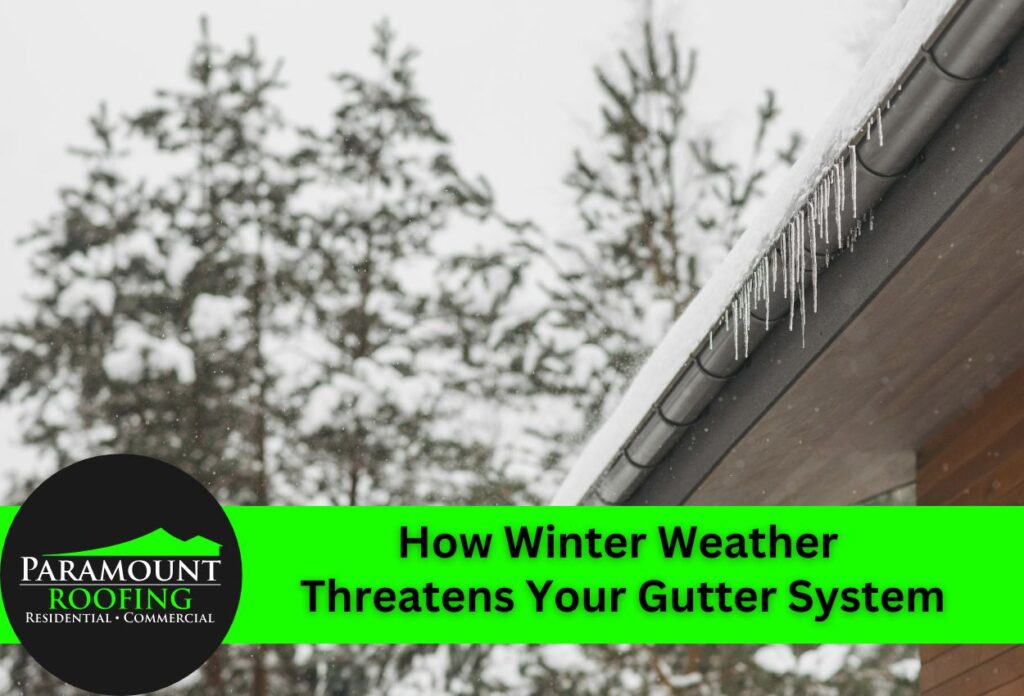

Snow and ice create serious risks for gutter systems during the winter. Heavy snow on gutters can overwhelm these drainage systems, causing structural damage that many homeowners discover too late. The weight of accumulated snow and ice places tremendous stress on gutter brackets and fascia boards, often leading to sagging, pulling away from the roofline, or complete failure.
Ice dams represent another major threat to your gutter system. When snow melts and refreezes at the roof edge, it creates a barrier that stops proper drainage. Water backs up behind these ice formations, potentially causing leaks, roof damage, and interior water problems. Detroit’s fluctuating winter temperatures create ideal conditions for this freeze-thaw cycle that damages gutters repeatedly throughout the season.
Protecting gutters from snow requires understanding how winter weather specifically impacts these drainage systems. Recognizing these threats early allows homeowners to take protective measures before costly damage occurs to their gutters and roofing systems.
The Weight Factor: When Snow Becomes a Structural Problem
Understanding snow weight becomes critical when evaluating potential damage to gutter systems. Different types of snow have varying weights that can quickly exceed what gutters can safely support. Fresh powder snow weighs approximately 5 to 7 pounds per cubic foot, while wet, heavy snow can weigh 15 to 20 pounds per cubic foot. Packed snow increases this burden to 20 to 40 pounds per cubic foot, creating substantial stress on gutter brackets and fascia connections.
Standard residential gutters are generally estimated to support 10 to 15 pounds per linear foot, though actual load capacity varies based on material type, bracket spacing, and installation quality. Heavy snow on gutters exceeding this threshold causes sagging, pulling away from mounting points, or complete detachment from the house. The accumulated weight forces gutter brackets to bend or break, while fascia boards may crack under excessive pressure.
When snow melts during warmer periods and refreezes, it creates dense ice formations that can weigh hundreds of pounds along gutter sections. Ice formation adds to these weight issues significantly. Ice weighs approximately 57 pounds per cubic foot, making ice dams in gutters particularly destructive.
Ice Dams: The Silent Gutter Destroyer
Ice dams form when warm air from poorly insulated attics melts snow on the roof, creating water that flows toward gutters and refreezes at the colder roof edges. This process creates thick ice barriers that block normal water drainage, causing a destructive chain reaction throughout the gutter system. As water backs up behind these ice formations, it finds alternate escape routes that often damage gutters, fascia boards, and surrounding roof structures.
The relationship between attic insulation and ice dam formation directly impacts gutter longevity. Heat loss through inadequate attic insulation creates uneven roof temperatures that trigger the melt-and-refreeze cycle. When gutters fill with ice, the expanding frozen water cracks seams, separates joints, and forces gutter sections away from their mounting brackets. This expansion pressure can split aluminum gutters or cause steel gutters to warp beyond repair.
Ice dams in gutters create ongoing damage as temperatures fluctuate throughout winter. Each freeze-thaw cycle adds more ice to existing formations, increasing the weight loads and expanding the damaged area. Water trapped behind ice dams often overflows, creating icicles that pull gutters downward with additional weight.
Winter gutter damage prevention requires addressing the root cause of ice dam formation through proper attic insulation and ventilation. Signs of gutter damage from winter ice include separated joints, cracked gutter bottoms, and loose downspout connections that develop as ice repeatedly expands within the drainage system.
Freeze-Thaw Cycles and Their Hidden Impact
The repeated freezing and thawing of water trapped in gutter systems creates gradual but persistent damage that weakens these structures over multiple winters. This natural process begins when small amounts of water remain in gutters after precipitation, settling into joints, seams, and minor imperfections in the gutter material. As temperatures drop below freezing, this trapped water expands approximately 9% in volume, creating internal pressure that forces cracks to widen and joints to separate.
Ice expansion works against gutter materials through consistent pressure application during each freeze cycle. Water seeks the path of least resistance, flowing into microscopic gaps and existing weak points before expanding. This expansion force can exceed 25,000 pounds per square inch, easily overwhelming the structural integrity of standard gutter materials. Aluminum gutters develop hairline cracks that grow larger with each freeze-thaw event, while steel gutters experience joint separation as expanding ice forces sections apart.
Material deterioration accelerates as freeze-thaw cycles repeat throughout winter. Each thaw period allows more water to penetrate newly created cracks and separations, setting up the next round of ice expansion damage. Heavy snow on gutters compounds this problem by providing additional water sources as snow melts and refreezes multiple times during temperature fluctuations.
Signs of gutter damage from winter freeze-thaw cycles include small cracks near joints, loose connections between gutter sections, and gaps where gutters meet downspouts. Preventing winter gutter damage requires addressing water retention issues before freeze cycles begin their destructive work.
Warning Signs Your Gutters Have Winter Damage
Identifying gutter damage after winter weather requires careful observation of both exterior and interior warning signs that indicate compromised drainage function. Heavy snow on gutters and repeated freeze-thaw cycles create specific damage patterns that homeowners can recognize from ground-level inspection.
External visual indicators include sagging gutter sections that no longer align properly with the roofline. Loose or missing brackets become apparent when gutters pull away from fascia boards, creating visible gaps between the gutter back and the house exterior. Ice dams in gutters often leave behind cracked seams and separated joints where expanding ice forced sections apart. Downspouts may appear loose or disconnected from gutter outlets, while visible cracks in gutter bottoms indicate structural compromise from ice expansion.
Interior signs reveal gutter damage through water infiltration symptoms that appear inside the home. Water stains on the basement walls or ceiling areas near exterior walls suggest gutter overflow during winter storms. Moisture problems in basements often trace back to compromised gutters that failed to direct water away from foundation areas. Peeling paint or wallpaper near windows and doors can indicate water from damaged gutter systems.
Signs of gutter damage from winter also include rust stains on home siding where gutters overflowed, and erosion patterns in landscaping where water bypassed normal drainage channels. Winter gutter damage prevention begins with recognizing these warning signs early, allowing homeowners to address problems before extensive damage occurs to gutters and surrounding structures.
Protecting Your Gutters Before Winter Strikes
Proactive maintenance measures strengthen gutter systems against winter’s destructive forces before snow and ice create expensive damage. Winter gutter damage prevention starts with thorough cleaning to remove leaves, debris, and standing water that can freeze and expand within gutters. Clearing downspouts ensures proper drainage during winter thaws, preventing water backup that contributes to ice dam formation.
Inspecting and tightening gutter brackets provides essential reinforcement before heavy snow on gutters tests these connection points. Loose brackets should receive additional fasteners or replacement hardware to handle increased winter loads. Sealing minor cracks and gaps with appropriate gutter sealant prevents leaks that lead to freeze-thaw damage throughout winter.
Professional reinforcement offers superior gutter protection from snow loads that exceed standard system capacities. Heavy-duty bracket systems distribute weight loads more effectively across fascia boards, reducing stress concentration points where damage typically begins. Gutter guards prevent debris accumulation while allowing snow melt drainage, reducing maintenance needs during winter weather.
Installing heat cables along gutter edges provides active ice dam prevention by maintaining temperatures above freezing at critical drainage points. Proper attic insulation and ventilation improvements address the root causes of ice dams in gutters by maintaining consistent roof temperatures. These professional upgrades create comprehensive winter protection systems that safeguard gutters against seasonal damage while extending their functional lifespan through multiple winter seasons.
When to Call a Professional for Gutter Assessment
Certain winter damage situations require professional evaluation rather than DIY inspection attempts that could prove dangerous or ineffective. Homeowners should contact roofing contractors when gutters show signs of pulling away from fascia boards, as these structural issues often indicate damage to the roof deck or rafter ends that require professional diagnosis. Heavy snow on gutters that has caused visible sagging may have compromised mounting systems beyond what standard bracket tightening can resolve.
Working on ice-covered gutters presents serious safety risks that make professional assessment the prudent choice. Ice dams in gutters create slippery conditions that increase fall hazards, while the weight of accumulated ice makes ladder work particularly dangerous. Professional contractors have specialized equipment and training to safely evaluate winter-damaged systems without putting homeowners at risk.
During professional gutter evaluations, contractors assess structural integrity by examining the condition of the fascia board, bracket mounting points, and gutter material stress indicators. They check for separation between gutters and rooflines, evaluate downspout connections, and identify freeze-thaw damage that may not be visible from ground level. Contractors also inspect attic areas to identify insulation or ventilation issues contributing to ice dam formation.
Professional assessment becomes essential when signs of gutter damage from winter include interior leaks, foundation settling, or exterior wall issues. These symptoms often indicate extensive damage requiring comprehensive repair approaches beyond typical homeowner capabilities. Winter gutter damage prevention includes knowing when professional expertise provides safer, more effective solutions than DIY attempts.
Protect Your Gutters This Winter with Paramount Roofing
As the winter season approaches, the risk of snow and ice damaging your gutters increases significantly. Heavy snow loads can strain the structural integrity of your gutter system, causing sagging or detachment, while ice dams can block water flow and lead to severe water damage. Paramount Roofing understands the unique challenges that Detroit winters pose to your home’s gutters.
Don’t wait for the first snowfall to discover that your gutters aren’t prepared. Take action now by scheduling a professional gutter assessment with Paramount Roofing. Our experts specialize in winter gutter damage prevention, ensuring your home is protected against heavy snow and ice dams. We offer comprehensive solutions tailored to strengthen your gutter system against harsh winter conditions.
To safeguard your home this winter, call Paramount Roofing at (586) 690-0227 and schedule a consultation. Ensure your gutters are ready to handle whatever this winter throws at them!