 Free Estimate
 Request Service
 Locations
Key Points:
- Metal flashing will rust, primarily galvanized steel when its zinc coating deteriorates, but aluminum corrodes differently, and copper develops a protective patina.
- Environmental factors like humidity and chemical exposure accelerate corrosion, making proper material selection and protective coatings essential to prevent flashing rust.
- Regular inspections, cleaning, and professional maintenance are important practices to extend your flashing’s lifespan and address early signs of rust before expensive damage.
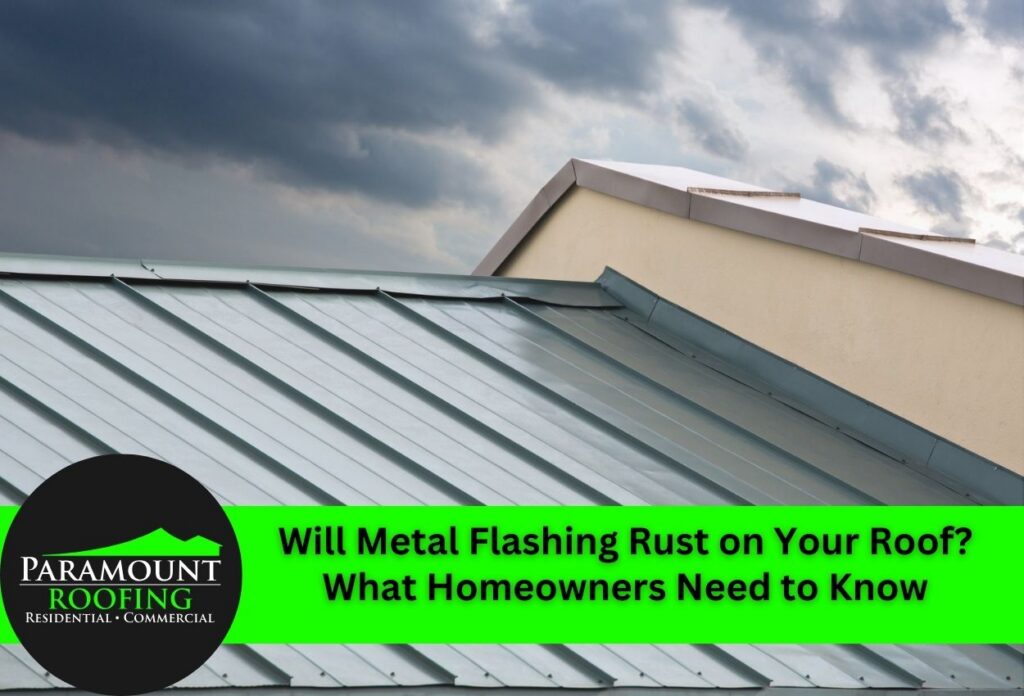
Metal flashing will rust under certain conditions, but the timeline and severity depend heavily on the type of material used and environmental factors. Galvanized steel flashing, one of the most common options, develops rust when its protective zinc coating deteriorates over time. Aluminum flashing resists traditional rust but can experience corrosion through oxidation. Copper flashing develops a protective patina that actually prevents further corrosion.
Metal flashing corrosion poses serious risks to the roof’s structural integrity and water protection systems. When flashing begins to deteriorate, water can leak into vulnerable areas around chimneys, vents, and roof joints, leading to expensive structural damage. Environmental factors, such as moisture exposure, temperature fluctuations, and salt air, significantly accelerate the rusting process.
Understanding flashing replacement signs helps homeowners address problems before major damage occurs. Roof flashing maintenance becomes important in preventing expensive repairs and extending the lifespan of roofing systems. Regular inspection can identify early corrosion stages when preventive measures remain effective rather than waiting for complete failure.
Types of Metal Flashing and Their Rust Resistance Properties
Different metal flashing materials exhibit varying levels of rust resistance based on their composition and protective properties. Galvanized steel flashing provides moderate corrosion protection through its zinc coating, however, metal flashing corrosion becomes inevitable once this barrier deteriorates, depending on environmental conditions. Aluminum flashing rapidly oxidizes, forming a resistant barrier and rarely experiences traditional rusting, making it a popular choice for long-term roof flashing maintenance strategies.
Copper flashing stands out for its exceptional longevity, developing a natural patina that prevents further corrosion and can last between 70 and 100 years. Stainless steel flashing delivers the highest rust resistance but comes with increased material costs. Manufacturing processes significantly impact each material’s performance, with pre-painted galvanized options and specialized coatings extending galvanized flashing lifespan considerably.
The choice of flashing material directly affects how homeowners prevent flashing rust and plan maintenance schedules. Understanding these material differences helps property owners make informed decisions about their roofing systems and recognize flashing replacement signs before water damage occurs.
Environmental Factors That Accelerate Flashing Corrosion
Detroit’s climate creates challenging conditions for metal flashing systems through high humidity levels and dramatic temperature fluctuations throughout the year. The region experiences freeze-thaw cycles that expand and contract metal materials, creating microscopic cracks where moisture can leak and accelerate metal flashing corrosion. Summer humidity levels often exceed 70%, maintaining constant moisture exposure that speeds up the oxidation process on vulnerable flashing materials.
Chemical exposure from urban pollution and industrial emissions significantly impacts galvanized flashing lifespan in metropolitan areas. Acid rain and airborne contaminants break down protective coatings faster than in rural environments, making roof flashing maintenance more important for city properties. Salt application on nearby roads during winter creates additional corrosive conditions when runoff contacts flashing materials.
Roof drainage systems add to these environmental challenges by concentrating water flow over flashing areas. Poor ventilation around flashing installations traps moisture and prevents proper drying, creating ideal conditions for rust development. Property owners can prevent flashing rust by addressing drainage issues and monitoring flashing replacement signs after severe weather that increases exposure to these accelerating factors.
Proven Methods to Prevent Rust on Your Roof Flashing
Effective rust prevention strategies focus on creating protective barriers and implementing proper installation techniques that minimize corrosion risks. Protective coating applications form the first line of defense against metal flashing corrosion by sealing surfaces from moisture and oxygen exposure. High-quality acrylic and polyurethane sealants provide multi-year protection when applied correctly to clean, prepared surfaces.
Quality material selection during installation significantly extends galvanized flashing lifespan and reduces long-term maintenance requirements. Professional contractors recommend using marine-grade sealants around gaps and joints where water typically accumulates. These specialized treatments create lasting barriers that prevent flashing rust development in vulnerable areas like chimney bases and vent connections.
Proper installation techniques include adequate slope design for water drainage and strategic placement of expansion joints to accommodate thermal movement. Regular roof flashing maintenance schedules should include annual coating inspections and reapplication every 3 to 5 years, depending on environmental exposure. Professional assessment helps identify early flashing replacement signs before protective barriers fail, allowing property owners to address problems proactively rather than reactively after damage occurs.
Essential Maintenance Practices to Extend Flashing Lifespan
Establishing regular inspection schedules prevents minor metal flashing corrosion issues from becoming major structural problems. Property owners should examine flashing systems twice a year, ideally during spring and fall seasons when weather conditions allow safe roof access. These inspections focus on identifying early rust formation, loose fasteners, and damaged sealant areas before leaks occur.
Professional maintenance services provide assessments that detect subtle flashing replacement signs often missed during casual inspections. Roofing contractors utilize specialized tools to measure coating thickness and identify areas where the galvanized flashing’s lifespan may be compromised. Professional cleaning removes debris buildup and corrosive materials that accelerate deterioration around vulnerable flashing connections.
DIY maintenance routines between professional visits help property owners prevent flashing rust through simple cleaning protocols and visual monitoring. Gentle washing with mild detergent removes salt residue and pollutants that contribute to metal flashing corrosion. Homeowners should document any changes in flashing appearance or condition to establish maintenance patterns and schedule preventive treatments before roof flashing maintenance becomes an emergency repair.
Warning Signs Your Flashing Needs Replacement Due to Rust
Recognizing advanced corrosion symptoms enables property owners to address flashing replacement signs before catastrophic water damage occurs. Visual indicators of structural compromise include deep pitting across metal surfaces, brown or orange discoloration that extends beyond surface staining, and visible holes or cracks that go completely through flashing materials. When galvanized flashing’s lifespan reaches its limit, the protective zinc coating disappears entirely, leaving bare steel exposed to accelerated rust formation.
Metal flashing corrosion creates weak points where wind uplift and thermal expansion can cause complete separation from the roof structures. Flashing edges that appear brittle, crumbly, or easily bent indicate advanced deterioration that compromises water protection capabilities. Professional contractors recommend immediate replacement when rust damage covers more than 30% of visible flashing surfaces or when structural integrity becomes questionable.
Interior damage symptoms often provide the first clear evidence that roof flashing maintenance has become insufficient to prevent leaks. Water stains on ceilings near chimneys, vents, or roof edges typically mean the flashing has failed, allowing leaks to form. Persistent musty odors, visible mold growth, or active leaks during rainfall confirm that efforts to prevent flashing rust have failed, and immediate replacement becomes necessary to protect structural components from further deterioration.
Making Smart Flashing Replacement Decisions for Long-Term Protection
Strategic timing for flashing replacement projects maximizes cost efficiency and minimizes disruption to property protection systems. Coordinating flashing replacement with broader roofing maintenance or renovation work reduces labor costs. Property owners should schedule these projects during favorable weather conditions when contractors can complete installations without weather-related delays that might compromise the roof’s structural integrity.
Professional installation provides superior long-term results compared to DIY approaches when addressing metal flashing corrosion and galvanized flashing lifespan concerns. Certified contractors possess the specialized tools, materials, and expertise necessary to prevent flashing rust through proper installation techniques. They understand building codes, waterproofing principles, and material compatibility factors that significantly impact roof flashing maintenance requirements over time.
Selecting qualified contractors requires evaluating credentials, insurance coverage, and previous work quality rather than focusing solely on initial project costs. Experienced professionals provide warranties that protect against premature failure and recognize subtle flashing replacement signs that indicate underlying structural issues. Their expertise ensures proper material selection for specific environmental conditions and helps property owners avoid repeated replacement cycles that result from inadequate installation methods or inferior materials that compromise long-term protection goals.
Protect Your Home with Paramount Roofing’s Expert Flashing Services
Understanding the risks of metal flashing rust is important for maintaining the structural integrity and water resistance of your roof. At Paramount Roofing, we specialize in installing and maintaining a variety of corrosion-resistant flashing materials designed to withstand the harsh Detroit climate. Whether you’re dealing with aluminum, galvanized steel, copper, or stainless steel, our expert team is equipped to provide the best solutions to prevent rust and extend the lifespan of your roof.
Don’t wait until you see the warning signs of flashing failure. Regular maintenance and fast replacement of damaged flashing can save you from expensive water damage and repairs. Call Paramount Roofing today at (586) 690-0227 to schedule a professional inspection and ensure your roof remains in top condition year-round.