
 Free Estimate
 Request Service
 Locations
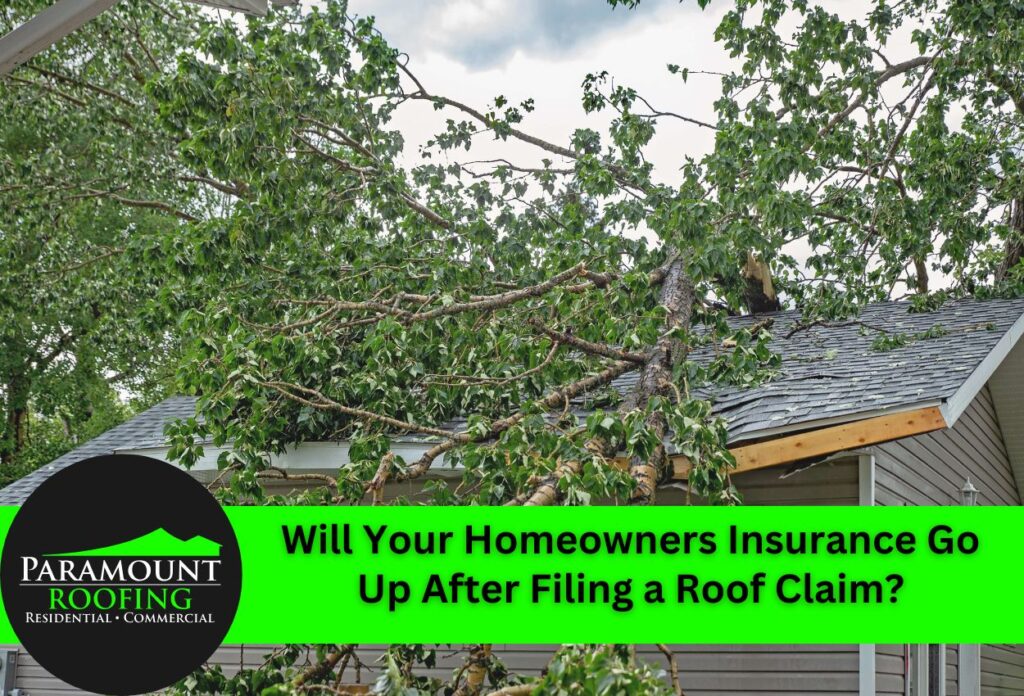

Homeowners facing roof damage often hesitate before contacting their insurance company, wondering if filing a claim will trigger higher premiums. This concern stems from the widespread belief that any insurance claim automatically results in increased rates.
Insurance companies evaluate each roof damage insurance claim differently, considering multiple factors beyond just the claim itself. The type of damage, claim frequency, and overall risk assessment all play crucial roles in determining whether your premiums will increase. Some roof claims may have minimal impact on your policy costs, while others could result in more significant changes.
Understanding whether a roof claim affects insurance premiums requires knowledge of how insurers calculate risk and adjust pricing. Weather-related damage, such as hail or storm damage, typically receives different treatment than claims resulting from poor maintenance or gradual wear. The roof insurance claim impact on policy depends heavily on the circumstances surrounding the damage and your claims history.
Filing an insurance claim for roof replacement decisions should be based on accurate information rather than assumptions about automatic rate increases. Knowing what factors influence premium adjustments helps homeowners make informed choices about when to file claims and how to protect their long-term insurance costs.
How Insurance Companies Handle Roof Damage Claims
Insurance adjusters follow a systematic approach when evaluating roof damage claims that directly influences whether homeowners’ insurance rates will increase. The roof damage insurance claim process begins with scheduling an initial inspection, where adjusters assess the extent and cause of damage. They’ll examine shingles, gutters, flashing, and underlying structures to determine if the damage resulted from covered incidents like storms or hail.
During the evaluation phase, adjusters document their findings with photographs and detailed reports that become part of your claim file. This documentation plays an important role in determining whether a roof claim affects insurance premiums, as insurers review these records when calculating future risk assessments. The adjuster’s determination of whether damage stems from sudden events versus gradual deterioration significantly impacts claim approval and potential premium adjustments.
Filing an insurance claim for roof replacement requires specific documentation to support your case. Property owners must provide photographs of the damage, weather reports from the date of loss, and contractor estimates detailing the size of the repair and what materials will be needed. Additional evidence may include maintenance records and previous inspection reports that demonstrate proper roof care.
The impact on your policy from a roof claim becomes clearer once adjusters complete their assessment and determine payout amounts. Insurance companies use this information, combined with your claims history and risk factors, to evaluate whether premium adjustments are necessary during your next policy renewal period.
Factors That Determine Premium Changes After Roof Claims
Your claims history serves as the primary factor insurance companies examine when determining whether homeowners’ insurance rates after a claim will increase. Insurers maintain detailed records of every claim filed during the past three to seven years, tracking both frequency and dollar amounts. A single roof claim typically has less impact than multiple claims within a short timeframe, as frequent claims signal higher risk to insurance companies.
The roof damage insurance claim process evaluation differs significantly based on the underlying cause of damage. Weather-related incidents such as hailstorms, high winds, or tornado damage receive more favorable treatment since these events fall outside the homeowner’s control. Insurance companies recognize that “Acts of God” create unavoidable circumstances that do not reflect property maintenance or homeowner negligence.
Maintenance-related damage presents a different scenario when filing an insurance claim for a roof replacement. Claims stemming from poor upkeep, missing shingles that were ignored, or gradual deterioration often result in higher scrutiny and potential premium increases. These situations suggest inadequate property care, which insurers view as increased risk factors for future claims.
The impact on your policy after a roof insurance claim also depends on your overall relationship with the insurance company. Long-term customers with previously clean records often receive more lenient treatment than newer policyholders. Whether a roof claim affects insurance premiums ultimately depends on combining these factors with regional risk assessments and current market conditions that influence underwriting decisions across the insurance industry.
When Insurance Rates Increase vs. When They Stay the Same
Insurance companies typically maintain current premium rates when roof claims involve comprehensive coverage situations and act-of-nature damage. Weather-related incidents such as severe storms, hail damage, or fallen trees during windstorms rarely trigger rate increases since these events occur beyond the homeowner’s control. The roof damage insurance claim process treats these natural disasters as unavoidable circumstances that do not reflect increased risk from property owner behavior.
Single claims for sudden, accidental damage also tend to leave premiums unchanged, especially for policyholders with a clean claim history. When filing an insurance claim for roof replacement due to isolated incidents like lightning strikes or unexpected storm damage, most insurers recognize these as random events rather than patterns indicating higher future risk.
On the other hand, homeowners’ insurance rates after claim filing commonly increase when multiple claims occur within short time periods. Insurance companies view frequent claims as indicators of higher-risk properties or inadequate maintenance practices.
Claims resulting from gradual deterioration, missing maintenance, or ignored warning signs often lead to premium adjustments during renewal periods. The roof insurance claim impact on policy intensifies when damage stems from situations homeowners could have prevented through proper upkeep. Insurance companies interpret these patterns as an increased likelihood of future claims, justifying rate increases to offset anticipated costs.
Timeline and Duration of Insurance Rate Changes
Premium adjustments following roof claims do not appear immediately on insurance policies, as companies typically implement rate changes during renewal periods rather than mid-term. The roof damage insurance claim process includes a waiting period where insurers review claim details, assess risk factors, and calculate potential premium adjustments. Most homeowners will not see billing changes until their policy renewal date, which can occur anywhere from several months to nearly a year after filing their claim.
Insurance companies require time to process claims data through their underwriting systems before determining whether homeowners’ insurance rates will increase after a claim. This evaluation period allows insurers to verify claim details, review payment amounts, and analyze the incident within the context of your overall claims history. The timeline from claim filing to premium adjustment typically ranges from six to twelve months, depending on when your annual renewal occurs.
Rate increases related to roof claims generally remain on policies for three to five years before returning to standard pricing levels. Whether a roof claim affects insurance premiums depends partly on how long insurers consider the claim relevant to the current risk assessment. Most insurance companies gradually reduce the impact of claims over time, with significant rate effects diminishing after the third year following the incident.
The roof insurance claim’s impact on policy duration varies by insurance company and state regulations. Some insurers maintain claim-related rate adjustments for exactly three years, while others may extend this period to seven years for larger claims or multiple incidents. Filing an insurance claim for roof replacement creates a permanent record in industry databases, but the financial impact on premiums typically decreases each year until it reaches its baseline rates.
Steps to Minimize Insurance Impact When Filing Roof Claims
Proper documentation serves as the foundation for maintaining positive standing with your insurance provider during the roof damage insurance claim process. Take photographs of all damaged areas before any temporary repairs, capturing wide-angle shots of the entire roof and close-up images of specific damage points. Document the date, time, and weather conditions when damage occurred, gathering weather reports from local services to support your claim.
Hiring qualified roofing contractors who specialize in insurance claims ensures repairs are done correctly and all safety and insurance requirements are met. Professional contractors understand how to document damage thoroughly and provide detailed estimates that insurance adjusters readily accept. Their expertise helps prevent inadequate repairs that could lead to future problems and additional claims that compound rate increases.
Prompt reporting demonstrates responsible homeowner behavior when filing an insurance claim for roof replacement. Contact your insurance company immediately after discovering damage, as delays can raise questions about when the incident actually occurred.
Maintain detailed maintenance records to demonstrate proper roof care when a roof claim affects insurance premiums becomes a concern. Regular inspections, gutter cleaning, and quick minor repairs create documentation showing responsible property ownership. This evidence helps distinguish unavoidable storm damage from maintenance-related issues, supporting your position that homeowners’ insurance rates after a claim should remain stable.
Making Smart Decisions About When to File Roof Claims
Determining whether to file a roof claim requires careful analysis of immediate repair costs against potential long-term premium increases. Property owners must weigh the financial benefits of insurance coverage against the possibility that homeowners’ insurance rates after a claim could rise significantly. This decision becomes more complex when considering deductible amounts, coverage limits, and the actual cost of necessary repairs.
Understanding your policy’s deductible structure helps determine when filing an insurance claim for roof replacement makes financial sense. If repair costs only slightly exceed your deductible amount, paying out-of-pocket may prove more economical than risking an increase. However, extensive damage requiring complete roof replacement typically justifies claim filing regardless of potential rate adjustments.
Coverage limits also influence whether a roof claim affects insurance premiums, outweighing the benefits of filing. Properties with adequate coverage limits that fully address repair costs provide strong incentives for claim filing, while insufficient coverage may not justify potential premium increases. The roof damage insurance claim process becomes worthwhile when insurance payouts significantly exceed deductible amounts and out-of-pocket alternatives.
Consider your claim history when evaluating the impact of the roof insurance claim on policy costs. Homeowners with clean records face lower risks of rate increases compared to those with recent claims. Multiple small claims can often have a more significant impact on premiums than single large claims, making strategic timing crucial for maintaining affordable insurance rates while ensuring necessary roof repairs receive proper attention.
Proactive communication with your insurance agent can also make a significant difference before filing a roof claim. Discussing potential outcomes and available options helps clarify how your insurer handles storm-related vs. maintenance-related damage. Many agents can provide insight into whether a claim will likely affect future premiums, allowing you to make a confident, well-informed decision that balances immediate repair needs with long-term financial stability.
Expert Roof Repair and Claim Assistance at Paramount Roofing
Dealing with roof damage can be stressful, especially when considering the potential rise in your homeowners’ insurance premiums. At Paramount Roofing, we understand the intricacies of the insurance claim process and are here to help you navigate it smoothly. Our team of experts will work with you to document your claim thoroughly, using detailed photos, accurate estimates, and comprehensive weather reports to support your case. This meticulous documentation helps in minimizing the risk of premium increases by presenting a well-supported claim to your insurance provider.
If you’re concerned about how a roof claim might affect your insurance costs, don’t hesitate to call us at (586) 690-0227. Let Paramount Roofing help you make informed decisions and get the repairs you need without undue stress on your finances.