
 Free Estimate
 Request Service
 Locations
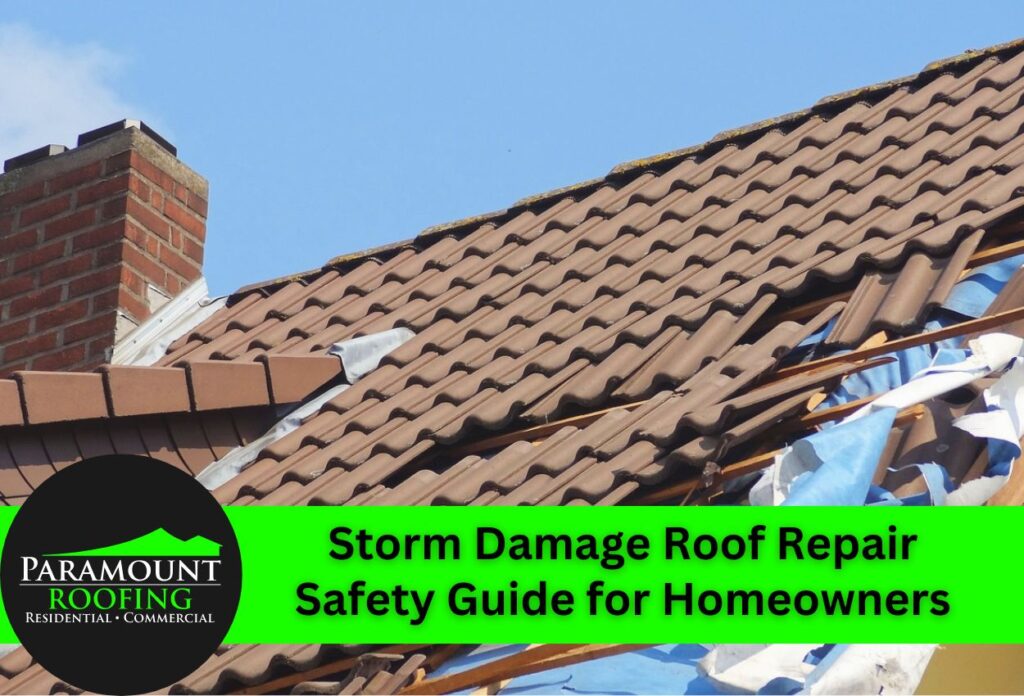
Storm damage roof repair safety becomes a critical concern when severe weather strikes and leaves homeowners facing damaged roofing systems. Understanding the importance of personal safety during post-storm roof inspection and repair work can prevent serious injuries and additional property damage. Proper preparation and safety awareness save lives while protecting your most valuable investment.
Detroit area storms frequently bring powerful winds, destructive hail, and flying debris that create various types of roof damage. Wind damage roof assessment reveals torn shingles, damaged flashing, and structural compromises that require immediate attention. Hail damage roof protection becomes necessary when ice pellets puncture roofing materials and create entry points for water infiltration. Flying debris can tear holes in roofing systems or damage gutters and downspouts.
Emergency roof repair safety requires homeowners to recognize when professional intervention becomes necessary versus when temporary measures suffice. Each type of storm damage presents unique safety challenges that demand specific approaches and precautions. Temporary roof covering methods can provide short-term protection while permanent repairs are planned, but these solutions must be implemented safely to avoid creating additional hazards or injuries during the repair process.
Essential Safety Equipment and Preparation Before Starting Repairs
Personal protective equipment forms the foundation of emergency roof repair safety and must be assembled before attempting any post-storm roof inspection or repair work. Proper non-slip footwear with rubber soles provides essential traction on wet or damaged roofing surfaces, while safety harnesses and sturdy ladders prevent dangerous falls during wind damage roof assessment activities.
Essential safety gear includes work gloves to protect hands from sharp debris, safety glasses to shield eyes from flying particles, and long-sleeved clothing to prevent cuts from damaged materials, and hard hats protect against falling debris that often accompanies storm damage. Safety harnesses should be properly fitted and secured to stable anchor points when working on steep or compromised roofing surfaces.
Weather conditions must be carefully evaluated before beginning any hail damage roof protection or repair activities. High winds, wet surfaces, or approaching storms create hazardous working conditions that increase accident risks significantly. Temperature extremes can make roofing materials brittle or slippery, affecting both safety and repair effectiveness.
Temporary roof covering methods require additional safety considerations, including proper ladder placement, secure material handling, and electrical hazard awareness from damaged power lines. Never attempt repairs during severe weather conditions or when surfaces remain wet from recent precipitation, as these circumstances dramatically increase the likelihood of serious accidents or injuries.
Conducting a Safe Post-Storm Roof Inspection
Performing a post-storm roof inspection should start with a thorough ground-level assessment that allows homeowners to identify visible damage without exposing themselves to the risks of climbing onto potentially compromised roofing structures. Using binoculars from multiple vantage points around the property provides clear views of damaged shingles, missing flashing, and debris accumulation that require professional attention.
Ground-level wind damage roof assessment reveals obvious signs, including torn or missing shingles, damaged gutters, and loose flashing materials. Look for granule accumulation in gutters and downspouts, which indicates the need for protection from hail damage. Examine the yard for roofing materials that may have blown off during the storm, as these materials help identify specific areas requiring closer inspection.
When surface inspection becomes necessary, proper ladder placement ensures emergency roof repair safety throughout the assessment process. Position ladders on firm, level ground at the correct angle, extending 3 feet beyond the roofline for safe access. Never place ladders against damaged gutters or compromised roof edges that may not support the additional weight.
Fall protection strategies become essential when accessing roof surfaces for a detailed storm damage roof repair safety evaluation. Secure safety harnesses to stable anchor points and avoid walking on wet, icy, or visibly damaged sections. Temporary roof covering methods may be necessary to protect exposed areas immediately, but these installations require careful attention to secure attachment points and proper material overlap to prevent water infiltration during subsequent weather events.
Identifying Wind and Hail Damage Safely
Assessing damage to your roof from wind requires systematic observation techniques that prioritize personal safety while identifying specific types of structural compromise. Lifted or curled shingles indicate that wind may have loosened multiple roofing components, creating potential hazards for anyone walking on affected surfaces. Exposed underlayment appears as dark patches where shingles have been completely removed or severely displaced by strong winds.
Compromised flashing around chimneys, vents, and roof valleys creates immediate water infiltration risks that demand prompt attention. During post-storm roof inspection activities, examine these critical areas from safe distances using binoculars before attempting closer evaluation. Missing or bent flashing materials often indicate widespread damage that extends beyond immediately visible areas.
Safe assessment methods for hail damage roof protection focus on recognizing impact patterns without walking extensively on potentially weak surfaces. Granule loss appears as dark spots or streaks where protective coating has been stripped away by hailstone impacts. Cracked shingles may not be immediately visible from ground level, but they create significant structural vulnerabilities that get worse with exposure to additional bad weather.
Impact marks from hail damage often concentrate on south-facing slopes and areas without overhead protection from trees or structures. Emergency roof repair safety protocols require documenting damage locations from secure positions rather than walking the entire surface of the roof. Temporary roof covering methods may become necessary immediately following assessment, but these protective measures must be installed using proper safety equipment and techniques to prevent additional injuries or property damage during the installation process.
Emergency Temporary Roof Protection Methods
Temporary roof covering methods provide essential protection against water infiltration while permanent repairs are arranged, but proper installation techniques ensure both effectiveness and personal safety. Heavy-duty tarps rated for outdoor use offer the best combination of durability and weather resistance for emergency applications. These materials must be large enough to extend beyond damaged areas and reach secure attachment points on undamaged sections of the roof structure.
Safe tarp installation begins with careful material handling to prevent additional damage or personal injury during windy conditions. Work with a partner to manage large tarps and maintain control during positioning and securing processes. Attach tarps using appropriate fasteners that penetrate roofing materials without creating additional leak points, such as roofing screws with rubber washers or heavy-duty staples for temporary applications.
Securing loose materials prevents further damage while protecting workers from hazardous debris during storm damage roof repair safety procedures. Remove broken shingles, damaged flashing, and loose gutters that could become projectiles during the next big storm. Store removed materials in covered areas away from walkways and work zones to maintain safe access routes.
Debris removal strategies prioritize personal protection through proper lifting techniques and awareness of sharp edges on damaged roofing components. Use appropriate containers for different material types and dispose of debris according to local regulations. Never throw materials from roof level, as falling debris creates serious hazards for people and property below the work area.
When to Call Professionals vs. DIY Safety Considerations
Professional roofing contractors become necessary when roof repair safety risks exceed homeowner capabilities or when structural integrity concerns emerge during post-storm roof inspection activities. Extensive damage covering more than 25% of the roofing surface typically requires professional assessment and repair to ensure proper installation and long-term durability. Complex structural repairs involving rafters, decking, or load-bearing components demand specialized knowledge and equipment beyond typical DIY skill levels.
Emergency roof repair safety limitations for homeowners include steep roof pitches exceeding 6:12 slopes, heights above single-story structures, and damage near electrical components or power lines. Multi-story buildings create fall hazards that require professional-grade safety equipment and training to navigate safely. When a wind-damaged roof assessment reveals compromised structural elements or widespread system failure, professional contractors possess the expertise necessary to evaluate repair versus replacement options accurately.
Insurance documentation requirements often favor professional assessment for hail damage roof protection claims, as licensed contractors provide detailed damage reports that support claim processing. Homeowners can safely photograph visible damage from ground level and document property damage for initial claim filing. However, comprehensive damage assessment typically requires professional expertise to identify hidden damage that affects claims.
Professional intervention becomes mandatory when temporary roof covering methods prove inadequate or when damage continues expanding despite initial protective measures. Contractors possess specialized tools, materials, and safety training that enable the completion of work while remaining safe under challenging conditions that would create unacceptable risks for property owners attempting DIY repairs.
Preventing Future Storm Damage Through Safe Maintenance
Proactive maintenance routines significantly reduce vulnerability to storms while maintaining strict storm damage roof repair safety protocols during inspection and upkeep activities. Regular safety-focused maintenance strengthens roofing systems against future weather events and identifies potential weaknesses before they become serious problems. Establishing consistent maintenance schedules allows homeowners to address minor issues that could become major storm damage concerns.
Monthly visual inspections from ground level help identify loose shingles, damaged flashing, and gutter problems before storm seasons arrive. Use binoculars for detailed post-storm roof inspection techniques, even during routine maintenance, to avoid unnecessary roof access. Check for granule accumulation in gutters, examine caulking around penetrations, and ensure proper drainage from all roof areas.
Seasonal preparation activities include securing loose materials, trimming overhanging branches, and reinforcing vulnerable areas identified during previous wind damage roof assessment procedures. Clean gutters and downspouts regularly to prevent ice dams and water backup that can compromise roofing materials. Inspect and maintain proper attic ventilation to prevent moisture buildup that weakens structural components over time.
Protective coating applications require careful safety planning and proper equipment to ensure both effectiveness and worker protection. Professional-grade roof coatings extend material life and improve weather resistance when applied correctly. However, these applications involve working on roof surfaces and require emergency roof repair safety precautions, including proper footwear, fall protection, and favorable weather conditions during application periods.
Ensure Your Safety with Professional Storm Damage Roof Repair in Detroit
Dealing with storm damage to your roof can be dangerous. If your roof has suffered from wind, hail, or debris impact, it’s crucial to prioritize your safety. Navigating a storm-damaged roof can pose serious risks, such as unstable structures and slippery surfaces. In such situations, professional help becomes not just beneficial but necessary. Paramount Roofing specializes in safely repairing storm-damaged roofs across Detroit, ensuring that your home is secure and you are safe from potential hazards.
Don’t risk your safety trying to handle repairs on your own. Call Paramount Roofing today at (586) 690-0227 for a comprehensive safety inspection and expert repair services. Our team is equipped with the right tools and expertise to restore your roof efficiently and safely, protecting you and your property from further damage.