 Free Estimate
 Request Service
 Locations
Essential Guide to Residential Flat Roof Inspections for Detroit Homeowners
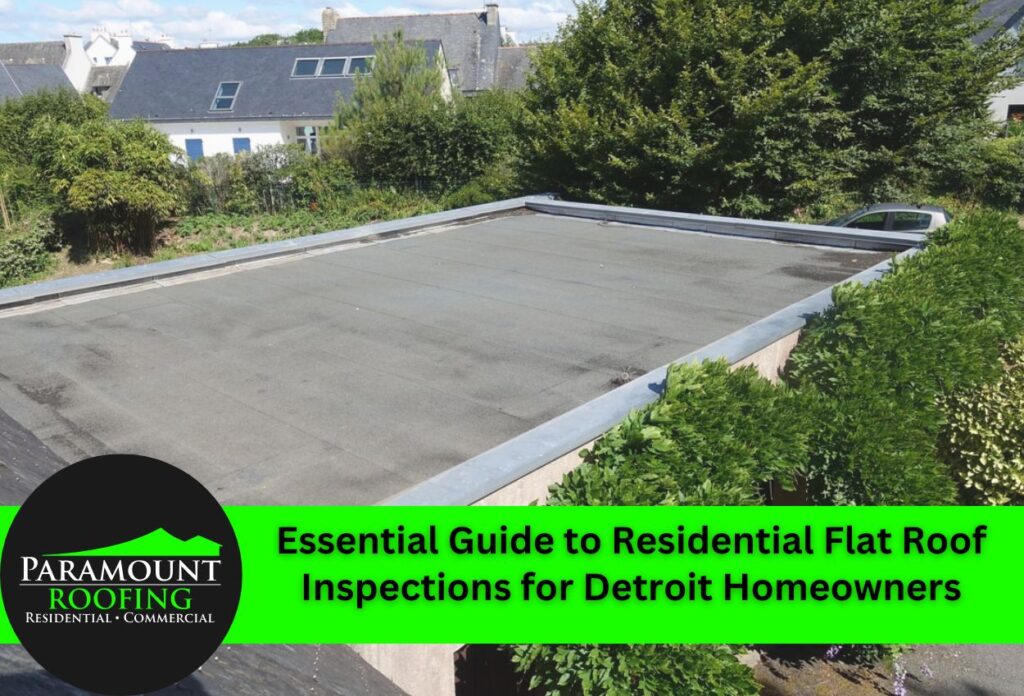
Residential flat roof inspections are a critical defense against unexpected damage and expensive repairs. Detroit’s harsh winter conditions, heavy snowfall, and temperature fluctuations can stress flat roof systems, requiring routine inspections and maintenance.
Regular flat roof maintenance prevents small issues from damaging the entire home. Water pooling, membrane deterioration, and roof drainage problems often develop gradually, making early detection essential for protecting your home. Professional membrane roof inspections can spot weak spots, cracks, and areas where leaks might occur.
Detroit homeowners face specific roofing challenges due to the region’s freeze-thaw cycles, which can cause membrane expansion and contraction. These weather patterns stress roofing materials and can cause leaks, tears, and other damage. Additionally, snow accumulation adds weight, while ice buildup can damage drainage systems.
The roof inspection techniques used help identify structural concerns before they compromise the entire building. Proper inspections cover membrane condition, flashing integrity, drainage functionality, and insulation performance. Understanding these inspection elements helps homeowners care for their roofing systems and avoid emergency situations that disrupt daily life and strain budgets.
How to Know When Your Flat Roof Needs a Professional Inspection
Both exterior and interior indicators provide valuable clues about your roof’s condition and help determine when a professional residential flat roof inspection is necessary.
Visible exterior signs often appear first during routine flat roof maintenance checks. Sagging areas indicate structural weakness or water accumulation that requires immediate attention. Pooling water that remains on the surface 48 hours after rainfall suggests roof drainage problems that can lead to membrane deterioration. Cracks, bubbling, or blistering in the roof surface signal membrane failure and potential entry points for moisture infiltration.
Interior warning signs frequently develop after exterior damage has already occurred. Water stains on ceilings show active or previous leaks, while musty odors throughout the home indicate excess moisture that can compromise indoor air quality and structural integrity. Peeling paint near ceiling areas often results from humidity changes caused by moisture infiltration through the roof.
A professional membrane roof inspection is essential when multiple warning signs appear simultaneously. Ignoring these indicators can result in extensive water damage, mold growth, and expensive structural repairs. Early intervention through an expert evaluation protects both the roofing system and interior spaces from progressive deterioration that compromises your safety and comfort.
Critical Inspection Areas That Determine Flat Roof Performance
Professional residential flat roof inspections focus on specific areas where failures most commonly occur. Inspectors examine these zones to identify current problems and predict potential future issues that could compromise the roof.
Assessing the membrane is often the first step of effective flat roof maintenance. Inspectors carefully examine the entire roof surface for tears, punctures, and signs of general wear that allow water infiltration. Age-related deterioration appears as cracking, splitting, or surface granule loss that weakens the protective barrier. Physical damage from falling branches, hail, or foot traffic creates immediate vulnerabilities requiring prompt repairs.
Flashing needs extra attention during roof inspections because these transition areas experience the highest failure rates. Joints around HVAC equipment, exhaust vents, and other roof pipes require specialized sealing techniques that deteriorate over time. Roof edge flashing protects the critical junction between vertical walls and horizontal surfaces where water naturally collects and seeks entry points.
A drainage system evaluation prevents problems that cause standing water and accelerated membrane breakdown. Inspectors check drain covers, downspouts, and slope adequacy to ensure proper water flow. Clogged drains can create ponding that stresses roofing materials and increases the risk of leaks. Professionals often trace moisture problems back to inadequate drainage rather than membrane failure, making this assessment crucial for long-term roof performance and structural protection.
Understanding Drainage Issues That Plague Flat Roofs
Poor water drainage creates the most destructive force affecting flat roofs. When water cannot flow off the roof surface, ponding develops within 48 hours of precipitation, creating constant moisture exposure that accelerates membrane deterioration and compromises structural integrity.
Professionals use specific methods to identify drainage deficiencies before they cause extensive damage. Inspectors examine roof slope measurements to ensure adequate pitch toward drainage points. Standing water detection involves marking ponded areas and measuring depth after dry periods to determine severity. A membrane roof inspection around ponding zones can also reveal accelerated wear patterns, surface cracking, and seam separation that indicate ongoing moisture damage.
A gutter and downspout evaluation is a critical component of a comprehensive drainage assessment. Clogged gutters force water back onto the roof surface, creating overflow conditions that saturate surrounding materials. Inadequate downspout capacity fails to handle heavy rainfall, which can cause backup and potential structural damage. Improper slope gradients prevent efficient water flow, allowing debris accumulation that blocks drainage pathways.
Effective roof leak detection often traces interior moisture problems directly to drainage system failures rather than membrane defects. Regular flat roof maintenance includes clearing drainage components and verifying smooth water flow patterns. A professional inspection identifies slope inadequacies, drain positioning problems, and gutter system deficiencies that need to be corrected to protect both the roofing materials and foundation from water-related deterioration.
The Professional Inspection Process From Start to Finish
Professional roofing contractors follow specific steps when conducting residential flat roof inspections to ensure a comprehensive evaluation and safety compliance. The inspection process begins with preparing equipment and establishing safety protocol before any physical examination takes place.
Safety procedures form the foundation of every professional roof evaluation. Contractors arrive with appropriate safety harnesses, non-slip footwear, and fall protection equipment required for flat roof access. Weather conditions are carefully assessed, as wet or icy surfaces create hazardous working conditions that compromise both inspector safety and examination accuracy. Professional teams typically allocate a few hours for a thorough residential flat roof inspection, depending on roof size and complexity.
Equipment used during membrane roof inspections includes moisture detection devices, core sampling tools, and measuring instruments that identify hidden problems beneath visible surfaces. Infrared cameras detect temperature variations indicating insulation gaps or moisture infiltration. Digital measurement tools document slope inadequacies contributing to roof drainage problems, while photos provide evidence of the membrane’s condition.
Documentation is another important part of the roof inspection process. Contractors photograph all problem areas from multiple angles and create detailed logs of damaged sections. Professional roof leak detection includes mapping moisture and documenting its relationship to interior damage patterns. After the assessment is complete, written reports prioritize repair recommendations based on urgency, helping property owners understand which issues need immediate fixes versus scheduled maintenance.
Seasonal Timing and Frequency for Roof Inspections
Strategically scheduling a residential flat roof inspection maximizes detection of weather-related damage while allowing optimal repair conditions. Detroit’s climate creates different seasonal stresses that require targeted evaluations to protect flat roof systems throughout the year.
Spring inspections provide the most comprehensive assessment opportunity following winter. April and May generally offer ideal conditions for membrane roof inspections because temperatures are steady and snow is often completely melted, allowing winter damage to become visible. Winter freeze-thaw cycles can create membrane cracking and flashing separation that appears after ice melts completely. Professional inspections during spring often identify winter damage before summer storms test compromised areas.
Fall preparation inspections occur during September and October when weather conditions remain favorable for repairs before harsh winter conditions arrive. These evaluations focus on clearing the drainage system and preparing the membrane for snow and ice. Roof drainage problems should be corrected before freezing temperatures prevent proper water flow and create ice dams.
Annual inspections are adequate for most residential flat roofs under normal conditions. However, roofs older than 15 years may require biannual professional evaluations due to accelerated aging. Severe weather events also necessitate an immediate assessment regardless of scheduled timing.
Additionally, the type of roofing material determines how often the roof should be inspected. Modified bitumen and EPDM systems show different aging patterns that influence inspection scheduling, with rubber membranes typically requiring more frequent evaluation than built-up roofing systems due to their expansion and contraction.
Making Smart Decisions After Your Roof Inspection Results
Inspection results help homeowners take the next steps regarding flat roof maintenance and repairs. Understanding the difference between repair and replacement options requires closely evaluating the damage, roof age, and long-term performance expectations for your residential flat roof.
Priority-based decision making helps homeowners allocate resources effectively when multiple issues exist simultaneously. Emergency repairs address active roof leaks that threaten immediate structural damage or interior water infiltration, while secondary concerns include membrane roof inspection findings that indicate future failure points requiring attention within six months to prevent escalation.
Roof age significantly influences repair versus replacement decisions. Systems approaching 20 years often benefit from complete membrane replacement rather than repeated patch repairs that provide temporary solutions. Also, extensive damage covering more than 30% of the surface area typically justifies replacement over repairs that may not address the underlying cause.
However, preventive maintenance strategies can extend roof life and reduce the risk of emergency repairs through proactive care. Regular cleaning prevents roof drainage problems that cause ponding and accelerated membrane deterioration. Protective coating applications provide additional weather resistance and reflective properties that reduce thermal stress on aging roof systems. These preventive measures often provide more value than reactive repairs while maintaining consistent roof performance and protecting interior spaces from moisture damage.
Protect Your Detroit Home with Paramount Roofing’s Expert Flat Roof Inspection Services
Don’t wait for visible damage to tell you that your flat roof needs attention. Regular inspections by a professional can save you from unexpected repairs and extend the life of your roof. Paramount Roofing specializes in residential flat roof inspections and maintenance, ensuring your home remains protected against Detroit’s harsh weather conditions. Our team focuses on critical areas like membrane integrity, drainage systems, and flashing to prevent water infiltration and structural damage.
If you’ve noticed any signs of wear or damage, or if it’s just been a while since your last roof check, it’s time to call the experts. Contact Paramount Roofing today at (586) 690-0227 to schedule your comprehensive flat roof inspection and ensure your home stays safe and dry.