 Free Estimate
 Request Service
 Locations
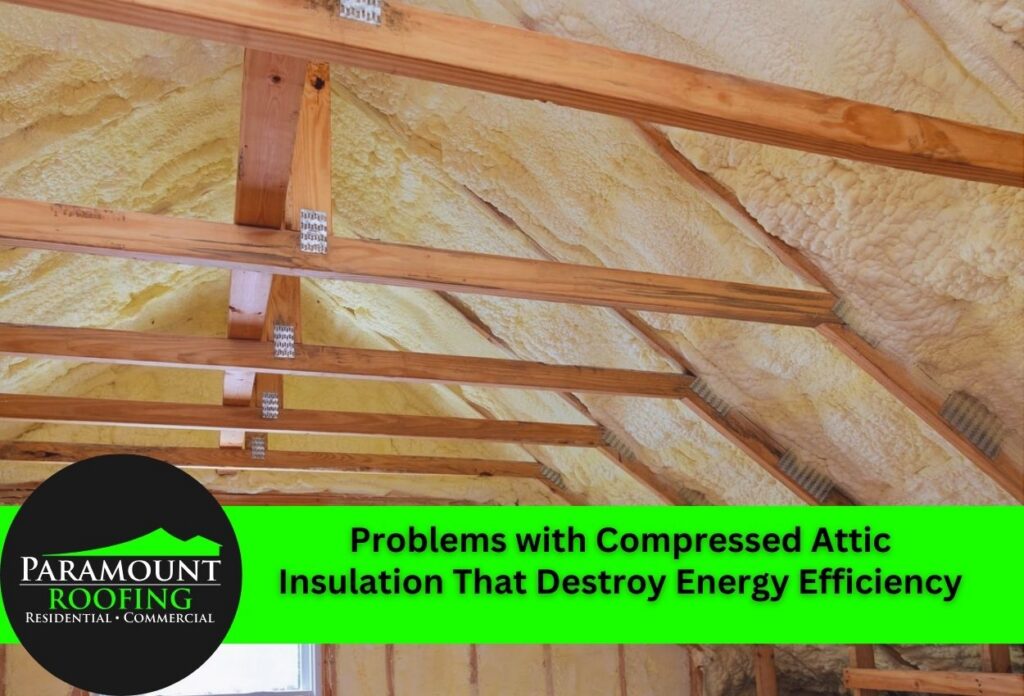
Problems with Compressed Attic Insulation That Destroy Energy Efficiency
Key Points:
- Compressed attic insulation destroys your home’s thermal barrier by eliminating air pockets, leading to increased energy bills and discomfort.
- Identify problems with compressed attic insulation by looking for flattened areas or noticing uneven room temperatures and higher energy costs.
- Professional assessment using thermal imaging and R-value testing is important to identify damage and guide effective restoration solutions.
Compressed attic insulation creates serious problems with compressed attic insulation performance that many Detroit homeowners discover too late. When insulation materials become compacted due to improper installation, settling over time, or excessive foot traffic during maintenance, the resulting compressed insulation performance issues can dramatically reduce a home’s energy efficiency. This compression destroys the air pockets that provide thermal resistance, leading to reduced R-value insulation that fails to protect homes during Michigan’s harsh winters and humid summers.
Attic insulation settling problems develop gradually in older Detroit homes, where decades of temperature fluctuations cause materials to compress and shift. Blown-in insulation compression occurs when technicians apply too much material in confined spaces or when moisture causes clumping. These issues create attic insulation air gaps that allow conditioned air to escape and outdoor temperatures to infiltrate living spaces. The consequences extend beyond higher energy bills, affecting indoor comfort levels and potentially leading to moisture problems that compromise structural integrity and indoor air quality throughout the home.
How Compressed Insulation Destroys Your Home’s Thermal Barrier
When attic insulation becomes compressed, it loses the air pockets that provide thermal resistance. These microscopic air spaces trap heat transfer, but compression eliminates this barrier by forcing insulation fibers together. Blown-in insulation compression occurs when materials settle under their own weight or from improper installation techniques. The result is reduced R-value insulation that cannot maintain consistent temperatures between living spaces and attic areas.
Attic insulation settling problems create significant energy efficiency losses that directly impact heating and cooling costs. Compressed insulation performance issues allow heated air to escape during winter and hot air to get into homes during the summer. This thermal bridging forces HVAC systems to work harder, creating uneven temperatures throughout the house. The creation of attic insulation air gaps means that even high-quality insulation materials perform poorly when compressed, reducing their effectiveness by up to 50% compared to properly installed insulation that maintains its designed thickness and density.
Warning Signs Your Attic Insulation Has Been Compromised
Identifying problems with compressed attic insulation requires careful visual inspection of the attic space. Homeowners should look for flattened insulation sections that appear matted or densely packed against joists and rafters. These compressed areas indicate attic insulation settling problems that reduce thermal performance. Blown-in insulation compression creates irregular gaps where materials have shifted away from critical areas, leaving exposed sections of flooring or ductwork. Insulation that appears darker or discolored often signals moisture issues that contribute to compression and reduced effectiveness.
Performance symptoms throughout the home reveal compressed insulation performance issues, even when visual inspection is not possible. Uneven room temperatures indicate attic insulation air gaps that allow heat transfer between living spaces and the attic. Increased energy consumption during peak heating and cooling seasons suggests reduced R-value insulation that forces HVAC systems to work harder. Ice dam formation along roof edges during winter signals heat loss through compressed insulation areas, where warm air escapes and melts snow that refreezes at gutters.
Common Causes Behind Attic Insulation Compression Problems
Installation errors represent the most frequent source of problems with compressed attic insulation in residential properties. Overstuffing cavities during installation eliminates essential air pockets that provide thermal resistance, creating immediate compressed insulation performance issues. Walking on insulation during attic maintenance compacts materials beneath foot traffic areas, permanently reducing their effectiveness. Improper blown-in insulation techniques contribute to blown-in insulation compression when contractors apply materials at incorrect densities or fail to distribute coverage evenly across attic surfaces.
Environmental factors gradually make attic insulation worse, settling problems over time through natural processes and external influences. Moisture intrusion from roof leaks or inadequate ventilation causes insulation fibers to clump together, creating reduced R-value insulation performance. Temperature fluctuations during seasonal changes accelerate material settling as expansion and contraction cycles compress insulation layers. Pest activity from rodents and insects disturbs insulation placement while creating attic insulation air gaps through nesting behaviors and movement patterns that shift materials away from important coverage areas.
Why Settling and Air Gaps Create Energy Loss Hotspots
Natural settling transforms properly installed attic insulation into ineffective thermal barriers that create energy loss hotspots throughout residential properties. Attic insulation settling problems develop when materials gradually shift and compress under gravity, leaving uneven coverage patterns that expose critical areas. These gaps allow heated air to escape during winter and cooled air to leak during summer, forcing HVAC systems to operate continuously to maintain comfortable indoor temperatures. The irregular distribution creates pockets where thermal protection disappears entirely, making these areas prime locations for significant energy waste.
Compressed areas within settled insulation create thermal bridging pathways where heat bypasses the intended thermal barrier completely. When blown-in insulation compression occurs around structural elements like joists and beams, these building components become direct conduits for heat transfer between living spaces and attic areas. The reduced R-value insulation in these compressed zones cannot prevent thermal bridging through wood and metal framing members. These compressed insulation performance issues allow heat to flow freely through structural elements, creating consistent energy loss hotspots that dramatically reduce overall attic thermal performance and increase utility costs year-round.
Professional Assessment Methods for Measuring Insulation Damage
Professional roofing contractors utilize thermal imaging cameras to identify problems with compressed attic insulation throughout residential properties. These infrared cameras detect temperature variations that reveal compressed insulation performance issues invisible to visual inspection alone. Thermal imaging shows heat loss patterns where attic insulation settling problems create cold spots during winter or hot areas during summer. The technology identifies blown-in insulation compression by highlighting areas where reduced R-value insulation allows temperature transfer between living spaces and attic areas.
Contractors measure insulation depth across multiple points to determine compression severity and calculate coverage deficiencies. Digital depth gauges provide precise measurements that document attic insulation air gaps and settling patterns throughout the attic space. These measurements establish baseline data for comparing current conditions against manufacturer specifications and building code requirements. Professional assessment combines thermal imaging results with depth measurements to create reports that quantify compression damage and identify priority areas requiring immediate attention to restore proper thermal performance in affected homes.
R-Value Testing Procedures for Energy Efficiency Standards
Professional R-value testing determines whether existing insulation meets current energy efficiency standards despite compressed insulation performance issues. Contractors use specialized equipment to measure thermal resistance in situ, accounting for blown-in insulation compression and settling effects on overall performance. These tests compare actual R-values against code requirements and manufacturer ratings to identify areas where attic insulation settling problems have reduced effectiveness below acceptable thresholds. Testing procedures document specific locations where reduced R-value insulation requires immediate remediation to restore proper function.
Testing protocols evaluate both compressed and undisturbed insulation sections to establish performance baselines throughout the attic space. Professional assessment identifies whether problems with compressed attic insulation can be resolved through redistribution or require complete replacement to meet efficiency standards. Testing results guide repair strategies that address attic insulation air gaps while ensuring compliance with current building codes and energy conservation requirements for residential properties.
Restoration Solutions That Fix Compressed Insulation Issues
Addressing problems with compressed attic insulation requires systematic removal and replacement strategies that restore proper thermal performance. Professional contractors begin by carefully removing severely compressed materials while implementing proper disposal methods that comply with environmental regulations. The process involves identifying sections where blown-in insulation compression has permanently damaged thermal properties, making replacement more cost-effective than attempting to redistribute existing materials. Removal procedures protect underlying surfaces and prevent further contamination of salvageable insulation areas.
Selecting appropriate insulation types for replacement depends on specific attic conditions and regional climate requirements. Contractors evaluate moisture levels, ventilation adequacy, and structural factors to determine the best materials that resist future compressed insulation performance issues. Blown-in cellulose and fiberglass options provide excellent thermal resistance when installed at proper densities. The installation process includes strategic placement techniques that prevent attic insulation settling problems while maximizing coverage across irregular surfaces. Professional installation addresses existing attic insulation air gaps through careful attention to edges, corners, and gap areas where thermal bridging commonly occurs. These restoration approaches ensure that reduced R-value insulation problems are permanently resolved through quality materials and proven installation practices.
Restore Your Home’s Efficiency with Paramount Roofing
If you’re noticing higher energy bills or uneven temperatures in your home, it might be time to check your attic insulation. Compressed attic insulation can seriously undermine your home’s thermal efficiency, especially in Detroit’s varied climate. At Paramount Roofing, we specialize in diagnosing and resolving problems with compressed attic insulation. Our expert team uses advanced thermal imaging and R-value testing to accurately assess the state of your insulation and recommend the best solutions to restore its effectiveness and your comfort.
Don’t let compressed insulation cost you money and comfort. Call us today at (586) 690-0227 for a professional insulation assessment and tailored restoration solutions. Ensure your home is protected from Detroit’s harsh winters and humid summers with Paramount Roofing. Act now to secure your home’s energy efficiency!