
 Free Estimate
 Request Service
 Locations
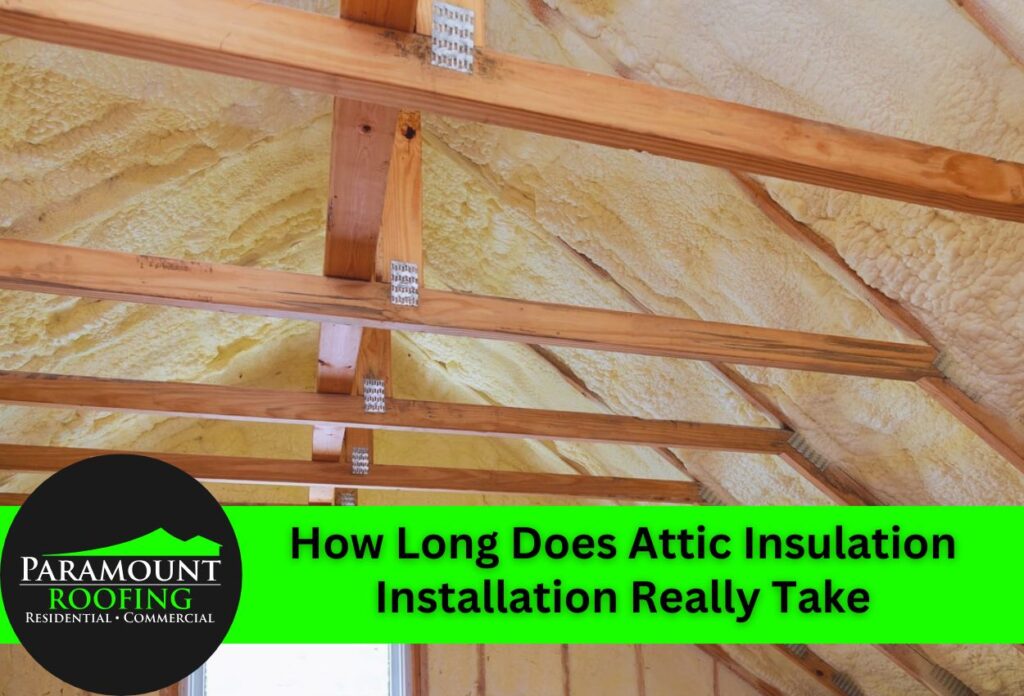

A typical 1,500-square-foot home requires about 6 to 8 hours for a professional blown-in application, while DIY efforts can stretch across multiple weekends for inexperienced homeowners.
The overall timeline varies significantly between different methods and skill levels. Professional crews complete most steps efficiently due to specialized equipment and experience, while homeowners often underestimate the preparation and cleanup phases.
The attic insulation installation time varies significantly between different methods and skill levels. Professional crews complete most projects efficiently due to specialized equipment and experience, while homeowners tackling the job themselves often underestimate the preparation and cleanup phases. Blown-in insulation projects represent the fastest professional method, typically completed in a single day, whereas batt insulation requires more labor-intensive placement around obstacles and tight spaces.
Understanding realistic timeframes prevents project delays and helps homeowners plan accordingly. The professional insulation installation process includes preparation, removal of old materials when necessary, air sealing, and the final installation. Each step contributes to the overall duration of this important home improvement investment.
Factors That Determine Your Installation Timeline
Several key variables can significantly impact how long an attic insulation project can take. Attic size remains the primary factor, with larger spaces naturally requiring more hours for complete coverage. However, structural complications like numerous joists or unusual angles can double the expected timeframe even in smaller attics.
Existing insulation removal adds considerable time to any attic insulation project steps, particularly when dealing with old vermiculite or damaged materials that require careful handling. Weather conditions directly affect blown-in insulation installation, as high humidity or extreme temperatures can complicate the process and extend working hours.
Accessibility challenges create the most unpredictable timeline variations during the installation process. Narrow attic openings, steep roof pitches, or limited headroom force installers to work more slowly and take frequent breaks. Preparation work, including air sealing and addressing electrical or plumbing obstacles, can add several hours to DIY attic insulation projects as well. Homes with multiple HVAC ducts or recessed lighting fixtures require additional navigation time that impacts the overall completion schedule.
DIY Installation Time Requirements
DIY projects typically require 2 to 3 times longer than professional estimates, with most homeowners needing 12 to 20 hours spread across multiple days. The preparation phase alone consumes several hours as homeowners gather materials, clear access routes, and address safety equipment. Many underestimate the physical demands of navigating tight attic spaces while handling insulation, leading to frequent breaks that could extend the overall timeline.
Skills assessment plays an important role in determining realistic expectations for blown-in projects. Homeowners comfortable with power tools and basic construction tasks generally work more efficiently, while first-timers face a steeper learning curve. The cleanup phase often surprises homeowners with its duration, requiring additional hours to properly dispose of old materials and clear work areas. Professional crews avoid many of these slowdowns, making realistic planning essential for a successful DIY completion.
Professional Installation Speed and Efficiency Advantages
Professional contractors complete the job significantly faster through specialized equipment and streamlined processes that individual homeowners cannot match. Experienced crews utilize industrial-grade blown-in machines that distribute material evenly while maintaining consistent density throughout the attic. Team coordination allows simultaneous preparation and installation activities, reducing overall project time by eliminating bottlenecks common in DIY work.
Professional preparation methods prevent delays through systematic approaches developed over countless installations. Contractors assess structural obstacles, electrical components, and ventilation systems before beginning work, ensuring smooth execution without interruption. Their tools and coordinated workflow allow professionals to finish installations in timeframes that often represent only the preparation phase for DIY attempts.
The professional insulation installation process incorporates quality control measures that maintain speed without compromising results. Experienced installers identify potential problems early, implementing solutions that prevent expensive rework or extended timelines. Specialized tools for air sealing, insulation removal, and material handling allow professionals to complete installations within the estimated timeframes.
Blown-In Insulation Installation Timeframes
The blown-in insulation process follows a systematic timeline that typically spans 6 to 8 hours for professional crews working on standard residential attics. Equipment setup doesn’t require that much time as crews position the insulation blower unit and run hoses to the attic access point. The actual installation phase moves efficiently, with experienced teams covering a good chunk of the surface per hour under the best possible conditions.
The professional installation process includes several distinct phases that contribute to the overall project time. Air sealing preparation consumes 1 to 2 hours before material application begins, while final cleanup and quality inspection add another hour to the project’s completion. Weather conditions and attic accessibility directly influence these timeframes, with complex layouts extending the duration of an installation.
The blown-in insulation process offers significant speed advantages over traditional batt methods, reducing the steps of the project through continuous material flow rather than individual piece placement. This efficiency difference affects project scheduling decisions, as blown-in methods are typically finished within 1 day, while batt installation may require multiple visits. DIY attic insulation installation using blown-in techniques remains challenging without proper equipment, making professional installation the preferred choice for time-sensitive projects.
Preparation and Planning Steps That Save Time
Proper preparation significantly reduces attic insulation process time by eliminating delays and complications during the actual work phase. Essential pre-installation tasks include a thorough attic inspection to identify structural issues, spots where air is leaking in and out, and the condition of the existing insulation that could impact a professional installation. Completing air sealing work beforehand prevents crews from stopping mid-installation to address gaps around electrical penetrations, plumbing vents, or recessed lighting fixtures.Checking for wet insulation damage during this inspection is also important, as moisture-compromised materials may need to be removed before new insulation is installed.
Material preparation streamlines the project by ensuring all supplies arrive on-site before work begins. Contractors verify insulation quantities, equipment functionality, and access route clearance to prevent mid-project delays. For DIY attic insulation installation, material staging near the attic entrance saves considerable time during the installation phase and reduces physical strain from repeated trips to retrieve supplies.
Seasonal timing can affect the efficiency of blown-in insulation, with moderate temperatures providing the best possible working conditions. Spring and fall installations typically proceed faster than summer projects, where extreme attic heat forces frequent breaks. Proper attic and roof ventilation can also improve working conditions and support long-term insulation performance.
Managing Delays and Setting Your Project Schedule
Unexpected complications frequently extend the process past the initial estimates, making buffer planning essential for realistic project scheduling. Common delays include discovering damaged subflooring, encountering unmarked electrical wiring, or finding moisture issues that require remediation before insulation work can proceed. Weather delays particularly affect blown-in insulation projects, as rain or high humidity can postpone outdoor equipment setup and material delivery.
Building in buffer time for an attic insulation project prevents scheduling conflicts and reduces stress when complications arise. Professional contractors typically add 20% to 30% additional time to standard estimates, accounting for unforeseen obstacles that commonly surface during the professional insulation installation process. DIY attic insulation installation projects benefit from even larger time buffers, as inexperienced homeowners often encounter learning curves that extend completion timelines.
Effective communication strategies keep all parties informed about the progress and potential delays throughout the installation’s timeline. Establishing clear expectations with contractors about daily work schedules, cleanup protocols, and completion milestones prevents misunderstandings that could disrupt household routines. Regular progress updates help family members plan around noise, dust, and temporary access restrictions while ensuring thorough installation completion without rushing critical quality standards.
Maximize Your Home’s Efficiency with Paramount Roofing’s Insulation Services
If you are considering enhancing your home’s energy efficiency, understanding how long attic insulation installation takes is crucial. Each project at Paramount Roofing is approached with precision and care, ensuring that every Detroit homeowner receives top-notch service. Whether you go with blown-in insulation or traditional batt methods, our experienced team is equipped to handle your needs swiftly and professionally.
Don’t let another season pass by with insufficient insulation. Call Paramount Roofing today at (586) 690-0227 to schedule your consultation and discuss your insulation needs. We’ll provide you with an efficient timeline and exceptional service, making your home comfortable and energy-efficient year-round.