
 Free Estimate
 Request Service
 Locations
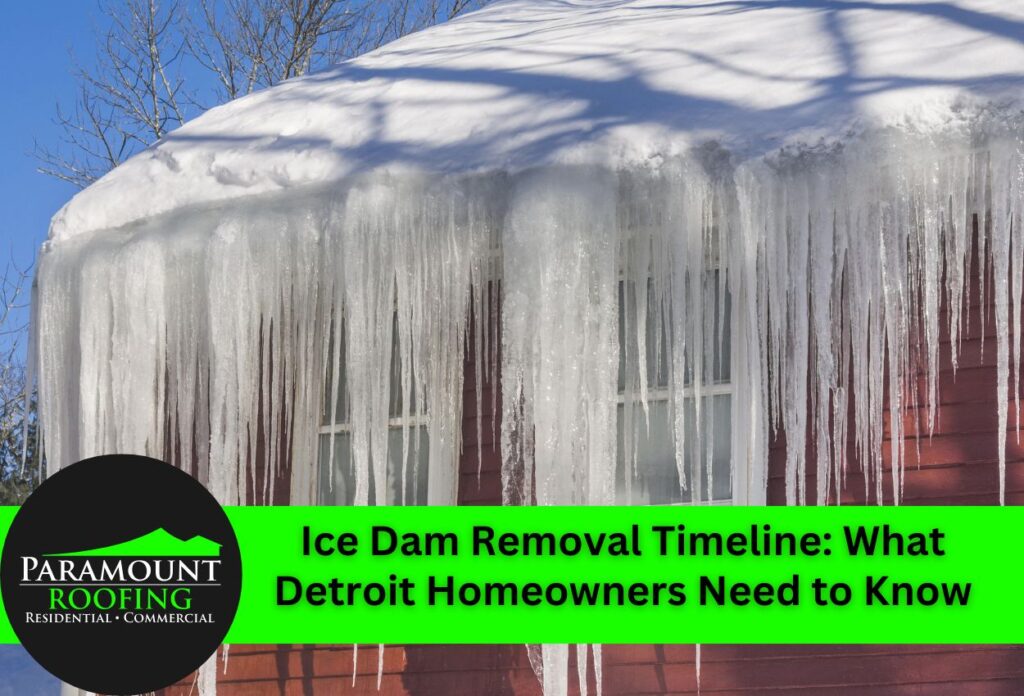
Ice dams create serious problems for Michigan homeowners every winter, forming when snow melts and refreezes along roof edges. These thick barriers of ice block proper drainage and force water back under shingles, potentially causing thousands of dollars in damage. Understanding how long ice dam removal takes helps homeowners respond quickly before expensive water damage occurs.
The ice dam removal process varies significantly based on several factors. Small ice dams on single-story homes might require just a few hours to clear, while extensive formations on multi-story structures can take a full day or more. Weather conditions, roof accessibility, and the chosen ice dam removal methods all influence the timeline.
Professional roof ice dam removal typically involves steam equipment that safely melts ice without damaging shingles or gutters. This approach takes longer than aggressive methods like chipping or salting, but protects the roofing structure from harm. Emergencies where water is actively entering the home require immediate attention, often within hours of the initial call.
Detroit’s harsh winter conditions make ice dam prevention and removal essential for protecting homes. Homeowners who notice ice formations along their roof edges should act quickly, as delays often lead to more extensive removal work and higher repair costs.
Factors That Determine How Long Ice Dam Removal Takes
Several factors influence the duration of the ice dam removal process, with size and thickness being the primary ones. Small ice dams measuring just a few inches thick can typically be removed within 2 to 4 hours, while massive formations extending several feet thick may require 8 to 12 hours of continuous work. The location of ice buildup also affects removal time, as dams forming along gutters and downspouts often prove more challenging than those on open roof edges.
Weather conditions dramatically impact ice dam removal methods and completion times. Temperatures below 0 degrees Fahrenheit slow the steaming process significantly, requiring additional time to safely melt thick ice formations. Wind and active snowfall can make roof ice dam removal dangerous and extend project timelines by limiting safe working windows. Conversely, warmer winter days accelerate the removal process and improve overall efficiency.
Roof accessibility can be another major addition to the work timeline. Single-story homes with easily accessible roof lines allow faster setup and more efficient work. Multi-story structures, steep roof pitches, or properties with limited access points can double removal times due to safety requirements and equipment positioning challenges. Winter roof maintenance becomes more complex when contractors must navigate icy walkways, buried landscaping, or snow-covered obstacles around the property’s perimeter.
Professional Ice Dam Removal Methods and Their Time Requirements
Professional contractors have specialized techniques that prioritize safety over speed when addressing ice dam formations. The steam removal technique represents the industry standard for roof ice dam removal, utilizing low-pressure steam equipment that gradually melts ice without causing thermal shock to roofing materials. This methodical approach typically requires 4 to 8 hours for average-sized ice dams, as contractors must work systematically to create drainage channels without damaging shingles or gutters.
Steam removal takes considerably longer than aggressive ice dam removal methods, but the extended timeline ensures complete protection of the roofing structure. The process involves slowly melting ice from the bottom up, allowing water to drain naturally while preventing sudden temperature changes that could crack tiles or loosen fasteners. Professional teams often spend additional time clearing debris from gutters and downspouts to restore proper water flow.
Hot water pressure washing offers a faster alternative for certain ice dam removal situations, typically reducing project time by 20% to 30% compared to steam methods. This approach works effectively on thinner ice formations and proves particularly useful for clearing gutters and downspouts. However, pressure washing requires careful temperature control and appropriate nozzle selection to prevent roof damage. Most professional ice dam removal projects using hot water techniques are completed within 3 to 6 hours, depending on ice thickness and roof complexity.
DIY Ice Dam Removal: Time Investment and Safety Considerations
Many homeowners attempt manual ice dam removal using common household tools, but these DIY approaches often require significantly more time than expected. Chipping away ice with hammers, crowbars, or ice picks can take 8 to 12 hours for moderately-sized formations, as homeowners must work carefully to avoid damaging shingles or gutters. The manual ice dam removal process becomes exhausting quickly, with frequent breaks needed to prevent overexertion in cold weather conditions.
Roof rakes represent another popular DIY ice dam removal method, allowing homeowners to remove snow buildup from ground level. While safer than climbing onto icy roofs, raking typically takes 4 to 6 hours to clear sufficient snow and requires multiple sessions throughout winter. The technique works best for ice dam prevention rather than removing existing formations, as established ice dams resist removal through raking alone.
Safety risks dramatically extend DIY removal timelines and create dangerous situations for inexperienced homeowners. Icy roof surfaces, unstable ladder, and falling ice chunks pose serious injury threats that slow progress considerably. Many homeowners spend more time setting up safety equipment and navigating hazardous conditions than actually removing ice formations. Professional contractors complete the same ice dam removal process in half the time while maintaining proper safety protocols and insurance coverage. When ice dams exceed a manageable size or pose immediate water damage threats, calling experienced roofing professionals proves more efficient than extended DIY attempts that risk personal injury and property damage.
How the Size of Your Roof and Its Complexity Impact the Duration of the Removal
Single-story homes typically require 3 to 6 hours for complete ice dam removal, while multi-story structures can extend project timelines to 8 to 12 hours or more. The additional height creates multiple challenges for contractors, including extended equipment setup time, increased safety precautions, and more complex access requirements. Two-story homes often develop ice dams at different levels, requiring separate removal operations at each story level.
Multi-story properties present unique logistical challenges that significantly impact the ice dam removal process. Contractors must position equipment at multiple elevations and often work from various angles to reach all affected areas. The increased height requires additional safety equipment setup, including extended ladder systems and fall protection gear that takes considerable time to properly install and adjust throughout the project.
Architectural features add substantial complexity and time to roof ice dam removal operations. Dormers create protected pockets where ice accumulates heavily and proves difficult to reach with standard equipment. These recessed areas often require hand removal techniques that can add 2 to 4 hours to project timelines. Valley areas where roof sections meet create natural collection points for ice and debris, requiring careful attention to prevent damage to flashing and valley materials.
Complex rooflines with multiple peaks, angles, and transitions can double standard removal times as contractors navigate between different roof sections. Properties with steep pitches, unusual architectural elements, or decorative features require specialized approaches that extend the overall ice dam removal timeline while ensuring thorough clearance of all problematic ice formations.
Preventing Future Ice Dams
Proper attic insulation and ventilation systems dramatically reduce ice dam formation by maintaining consistent roof temperatures throughout winter. Upgrading attic insulation to recommended R-values prevents warm air from escaping through the roof deck, eliminating the major difference in temperature that creates ice dams. Adequate ventilation systems allow cold air to circulate beneath the roof’s surface, keeping shingle temperatures uniform and preventing the freeze-thaw cycles that lead to ice buildup.
Ridge vents, soffit vents, and attic fans work together to maintain proper airflow and eliminate hot spots that contribute to ice dam development. These improvements to your roof significantly reduce the likelihood of future ice dam formation. If you already have existing ventilation systems, professional assessment helps identify deficiencies that contribute to repeated ice dam problems.
Regular gutter maintenance and roof preparation steps minimize emergency ice dam removal situations by ensuring proper drainage throughout winter. Cleaning gutters and downspouts before snowfall prevents debris blockages that can make ice dams worse. Installing heated gutter cables provides additional protection in problem areas where ice consistently develops despite other preventive measures.
The need for roof ice dam removal becomes less frequent when homeowners implement prevention strategies. Regular snow removal from roof edges using appropriate tools prevents excessive accumulation that leads to ice dam development. These proactive measures reduce the time spent on emergency removals while protecting property value and structural integrity throughout harsh winters.
When to Schedule Ice Dam Removal for Fastest Results
Timing plays an important role in determining how long ice dam removal takes, with specific weather conditions and scheduling strategies significantly impacting project efficiency. Professional contractors can complete the ice dam removal process up to 50% faster when working under the best possible conditions compared to emergencies during harsh weather.
Warmer winter days with temperatures between 25 and 35 degrees Fahrenheit create ideal conditions for roof ice dam removal operations. These moderate temperatures allow steam equipment to work more efficiently while reducing the risk of thermal shock to roofing materials. Scheduling removal during brief warming periods can also cut project time down from 8 hours down to 4 or 5 hours for typical ice dam formations.
Clear, calm weather conditions help contractors work continuously without weather-related delays or safety concerns. Wind speeds below 10 mph prevent equipment positioning problems and reduce the risk of falling ice debris. Sunny conditions provide better visibility and help accelerate the melting process during steam removal operations, making ice dam removal methods more effective overall.
Planning during winter prevents emergencies that often take twice as long to resolve due to poor conditions and urgent timeline pressures. Homeowners who schedule preventive inspections and early intervention services avoid the extended removal times associated with fully developed ice dam formations that require clearing and fixing.
Fast and Effective Ice Dam Removal with Paramount Roofing
Understanding the urgency and process of ice dam removal is crucial, especially in harsh winter conditions. The duration of the ice dam removal process can vary significantly based on several factors, including the size and thickness of the ice dam, the complexity of your roof, and current weather conditions. At Paramount Roofing, we specialize in efficient and safe ice dam removal methods tailored to your specific needs. Our experienced professionals use proven techniques like steam removal and hot water pressure washing, ensuring minimal risk to your roof while effectively clearing ice dams.
Don’t let ice dams compromise the safety and integrity of your home. Contact Paramount Roofing today at (586) 690-0227 to schedule a consultation and quickly address any ice dam issues. Our team is ready to provide you with fast and reliable service, ensuring your roof remains safe and intact throughout the winter.