 Free Estimate
 Request Service
 Locations
Attic Insulation Installation Cost: What Homeowners Should Expect to Pay
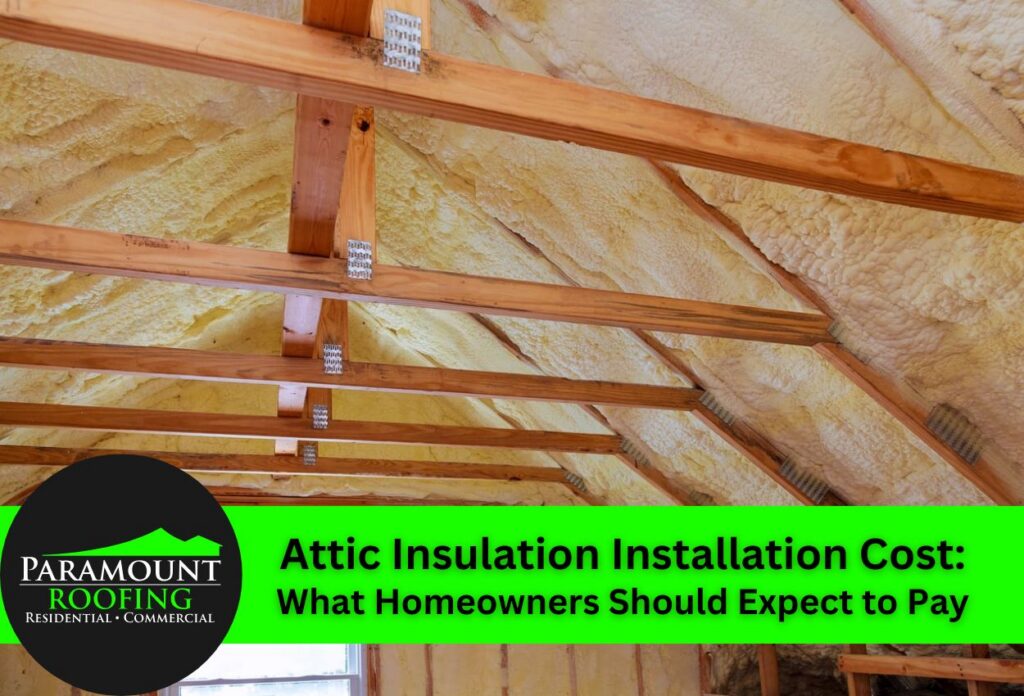

Attic insulation in Detroit costs $1.50 to $3.50 per square foot for blown-in materials and about $3.50 to $7.50 per square foot for spray foam, with labor adding about another $1.00 to $4.00 per square foot in Metro Detroit. That means total costs vary depending on your attic size, the material you choose, and whether old insulation needs to come out first.
Detroit winters are no joke. January temperatures can drop as low as -5 degrees Fahrenheit, and Michigan’s energy code requires a minimum of R-38 for homes in Zone 5A. Without enough insulation, heat escapes through the attic, and your heating system works harder than it should, driving up energy bills every single month.
What Is the Cost to Install Attic Insulation Per Square Foot by Material Type?
Blown-in fiberglass and cellulose cost $1.50 to $3.50 per square foot installed, while closed-cell spray foam reaches $5.50 to $7.50 per square foot, making material choice the biggest driver of total project cost in Detroit.
| Material Type | Material Cost (per square foot) | Labor Cost (per square foot on average) | Total Installed Cost (per square foot) | R-Value per Inch |
|---|---|---|---|---|
| Blown-In Fiberglass | $0.50 to $1.00 | $1.00 to $2.50 | $1.50 to $3.50 | R-2.2 to R-2.7 |
| Blown-In Cellulose | $0.50 to $1.00 | $1.00 to $2.50 | $1.50 to $3.50 | R-3.2 to R-3.8 |
| Open-Cell Spray Foam | $0.50 to $1.50 | $1.00 to $2.50 | $3.50 to $5.50 | R-3.5 to R-3.7 |
| Closed-Cell Spray Foam | $2.00 to $3.50 | $1.00 to $2.50 | $5.50 to $7.50 | R-6.0 to R-7.0 |
Michigan’s ENERGY STAR recommendation of R-49 to R-60 typically requires 16 to 20 inches of blown-in fiberglass or cellulose, and every extra inch adds to the total material volume and cost. Closed-cell spray foam costs roughly 3 to 4 times more per square foot than blown-in options, but its moisture resistance makes it a practical choice for Detroit attics affected by Great Lakes humidity. For most homes, blown-in cellulose or fiberglass attic insulation hits the right balance between meeting Michigan’s energy code and keeping costs manageable.
How Much Does It Cost to Insulate a 1,500 square feet Attic With Blown-In Insulation?
A 1,500 square feet attic with blown-in insulation costs $2,250 to $5,250 for material and installation alone, based on the $1.50 to $3.50 per square foot rate for both blown-in cellulose and blown-in fiberglass. Old insulation removal and permit fees can push that total higher, especially in Detroit homes built between 1920 and 1960, where settled or degraded attic insulation is common.
| Attic Size | Blown-In Cellulose (Low to High) | Blown-In Fiberglass (Low to High) | Removal Add-On ($1.00 to $2.50/square foot) |
|---|---|---|---|
| 800 square feet | $1,200 to $2,800 | $1,200 to $2,800 | $800 to $2,000 |
| 1,500 square feet | $2,250 to $5,250 | $2,250 to $5,250 | $1,500 to $3,750 |
| 2,200 square feet | $3,300 to $7,700 | $3,300 to $7,700 | $2,200 to $5,500 |
Detroit homes from that era frequently require full removal before new insulation goes in. That adds about $1,500 to $3,750 to a standard 1,500 square foot project. Detroit permit fees for insulation work are based on total project cost, typically starting around $271, and should be included in any budget estimate.
For a 1,500 square feet attic needing removal and new blown-in insulation, Detroit homeowners should realistically budget $4,000 to $9,400 once all costs are included. Get an itemized quote that lists material, labor, removal, and permit costs separately so nothing catches you off guard.
What Factors Change the Labor Cost to Install Blown-In Attic Insulation?
Six variables most commonly shift the final labor cost on a blown-in attic insulation project, with some add-ons pushing the total up by $600 or more before any material costs are counted.
- Attic accessibility and framing complexity: Low-clearance attics or irregular framing add about $150 to $400 to labor costs. Older Detroit homes built between 1920 and 1960 frequently have tight crawl spaces and non-standard joist layouts that slow installation time.
- Existing insulation removal: Removing old, settled, or degraded insulation adds $1.00 to $2.50 per square foot to the total. This is one of the most common add-ons in Detroit given the age of the housing here.
- Air sealing before installation: Most contractors recommend air sealing gaps and spaces before blowing in new material. This step typically adds $300 to $600 to the project cost.
- HVAC gaps: Every unsealed duct, pipe, or junction box in the attic floor needs to be addressed before installing insulation. More gaps mean more labor time and higher total costs.
- Attic hatch upgrades: An uninsulated or poorly sealed attic hatch undermines the entire project. Upgrading the hatch typically costs about $50 to $150.
- Seasonal scheduling: Spring and early fall are the preferred installation windows in Detroit. Winter and late-summer humidity raise moisture risk, which can prompt contractors to add vapor management steps that increase labor costs.
Detroit’s proximity to the Great Lakes pushes average winter relative humidity into the 81% to 85% range. That level of moisture makes contractors more likely to recommend air sealing and vapor management steps before installation, both of which add to the total labor bill. Michigan requires contractors to hold a state-issued Maintenance and Alteration (M&A) license or a Residential Builder license for insulation work. Still, local Detroit building departments may require code compliance documentation, which can affect scheduling and your choice of contractor. Always confirm permitting requirements before work begins.
Should You DIY or Hire a Contractor to Install Attic Insulation?
DIY blown-in insulation costs $0.50 to $1.50 per square foot in materials, while professional installation runs $1.50 to $3.50 per square foot total, a difference of about $1,500 to $3,000 on a 1,500 square foot attic.
When to Hire a Professional
- Moisture damage or mold is present: If the attic shows any signs of leaks or mold growth, a professional needs to assess and treat the area before new insulation goes in. Installing over moisture damage traps the problem and makes it worse.
- Permit compliance requires R-38 minimum: Michigan’s energy code sets a minimum of R-38 for Zone 5A homes. If a permit is required, professional installation makes it easier to document code compliance for the building department.
- Knob-and-tube wiring is present: Many Detroit homes built before 1960 still have knob-and-tube wiring. Covering this wiring with blown-in insulation creates a fire hazard; a licensed professional must evaluate the situation before any insulation is added.
- Attic clearance is under 30 inches: Tight attics make it difficult to maneuver equipment safely. Professional crews have the tools and training to work in confined spaces without damaging existing materials.
When DIY Is a Reasonable Option
- Attic is accessible and clear: If there is at least 30 inches of clearance and no obstructions, a homeowner can safely operate a blower machine. Most big-box stores offer equipment rentals free with material purchase.
- No existing damage or removal needed: A DIY approach works when the attic is dry, clean, and free of settled or degraded insulation that would need to come out first.
- Topping off existing insulation: If the goal is only to add a few inches to bring R-value up modestly, not a full replacement, DIY blown-in insulation is a manageable weekend project for most homeowners.
For most Detroit homeowners with pre-1960 homes, knob-and-tube wiring, or moisture concerns, hiring a professional is the safer, more reliable path to meeting Michigan’s R-38 code minimum. If budget is a concern, financing options for home improvement projects can help make professional installation more accessible.
How Much Can Attic Insulation Save on Energy Bills in Detroit?
Upgrading attic insulation in Detroit can reduce heating and cooling costs by 10% to 20%, meaning a homeowner spending $2,400 per year on energy could save about $240 to $480 annually. That kind of savings adds up fast against a typical project cost.
R-11 to R-19 was standard in Detroit homes built between 1920 and 1960. That falls well short of Michigan’s 2015 IECC minimum of R-38 for Zone 5A and far below the ENERGY STAR target of R-49 to R-60. Reaching R-49 to R-60 not only meets or exceeds code for permitted projects, but it also positions the home better during resale inspections and energy audits.
A residential roof inspection alongside an insulation upgrade can help identify any additional areas where heat loss may be occurring. Homes that hit the ENERGY STAR range tend to hold their value better and attract buyers who factor energy costs into purchase decisions.
Ready to Get an Accurate Quote for Attic Insulation Installation in Detroit?
Now that you know material costs run $1.50 to $7.50 per square foot depending on insulation type, you can spot a fair quote before a contractor ever sets foot in your attic. Detroit’s aging housing, Great Lakes humidity, and Michigan’s R-38 to R-49 code requirements make this a high-priority upgrade, especially before winter hits.
Paramount Roofing serves Detroit homeowners who need honest, code-compliant attic insulation work done right. Request a free local estimate and get a clear, itemized breakdown before any work begins.
Not ready to schedule? Learn more about attic insulation installation.