
 Free Estimate
 Request Service
 Locations
Common Insulation Installation Mistakes to Avoid for Better Home Efficiency
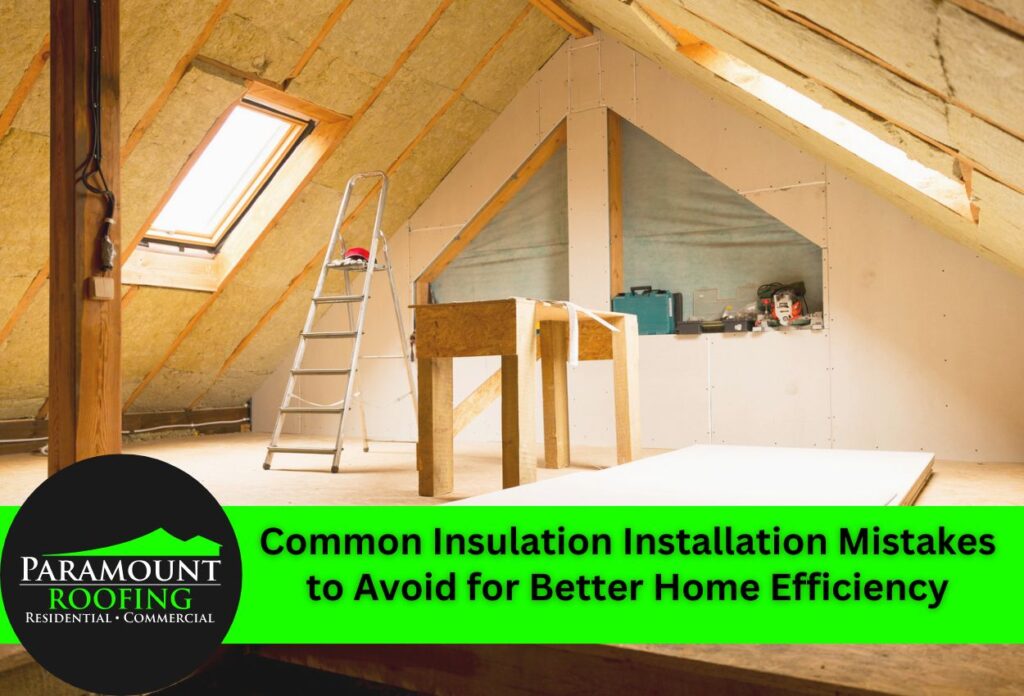

Poor insulation work creates a cascade of problems that affect homeowners for years. When insulation installation errors occur, energy bills skyrocket as heating and cooling systems work overtime to maintain comfortable temperatures. Gaps, compressed materials, and incorrect R-value requirements drain energy from the home, making it so it never feels quite right.
Common insulation installation mistakes to avoid include leaving air gaps around pipes and electrical boxes, compressing batt insulation that reduces its effectiveness, and failing to create proper vapor barriers. These attic insulation problems lead to ice dams in winter, excessive heat in summer, and moisture issues that damage structural components over time.
Temperature control becomes nearly impossible when proper insulation techniques aren’t followed. Rooms stay too cold in winter and too hot in summer, creating uncomfortable living conditions that affect daily routines. Hot spots and cold zones develop throughout the house, making some areas unusable during extreme weather.
Moisture prevention depends heavily on correct installation methods. When improper ventilation allows air movement and temperature differences, condensation forms within wall cavities and attic spaces. This moisture creates the perfect conditions for mold growth and wood rot that compromise a home’s structural integrity, and can also impact the occupant’s health.
Understanding these installation fundamentals protects both comfort and long-term home performance while preventing expensive repairs down the road.
Choosing the Wrong R-Value for Your Climate Zone
R-value measures insulation’s ability to resist heat flow, with higher numbers indicating better thermal resistance. Selecting inappropriate R-value requirements for local weather conditions creates immediate performance problems and long-term structural damage. Many homeowners mistakenly assume all insulation performs equally, leading to inadequate protection against temperature extremes.
Cold climate zones require significantly higher R-values than warmer regions to prevent heat loss through walls, attics, and basements. Installing insulation with insufficient thermal resistance allows hot air to escape rapidly, forcing heating systems to run continuously. This common mistake results in uncomfortable indoor temperatures and excessive energy consumption throughout the winter.
Attic insulation problems become particularly severe when R-values fall below climate recommendations. Insufficient thermal protection allows warm air to reach roof surfaces, melting snow that refreezes at gutters and eaves. These ice dams block proper drainage, causing water to back up under shingles and potentially damage roof decking, insulation, and interior ceilings.
Proper insulation techniques require matching R-value specifications to local climate data and building codes. Home insulation tips emphasize consulting manufacturer guidelines and local building requirements to determine appropriate thermal resistance levels. Installing adequate R-value protection prevents heating system strain, eliminates ice dam formation, and maintains consistent indoor temperatures regardless of outdoor weather conditions.
Leaving Gaps and Compression Issues During Installation
Air gaps around electrical outlets, plumbing penetrations, and light fixtures create significant thermal bridges that compromise entire insulation systems. These seemingly minor openings allow hot air in the summer and cold air in the winter to move freely through wall cavities and attic spaces, reducing overall energy efficiency by up to 30%. Even ¼ gaps around pipes or electrical boxes create pathways for air movement that undermine proper insulation techniques.
Compressed insulation loses its thermal resistance properties when squeezed into spaces smaller than its intended thickness. Batt insulation relies on trapped air pockets to provide R-value performance, but compression eliminates these crucial air spaces. Forcing thick insulation into narrow cavities reduces effectiveness dramatically, creating cold spots that allow heat transfer through building assemblies.
These insulation installation errors create uneven temperature distribution throughout homes, making heating and cooling systems work harder to maintain comfort levels. Areas with compressed materials or air gaps become thermal weak points that affect adjacent rooms and building sections. Professional installation requires careful attention to maintaining proper thickness while sealing all gaps completely.
Attic insulation problems frequently develop around recessed lighting, bathroom exhaust fans, and HVAC ductwork, where installers leave gaps or compress materials around fixtures. Home insulation tips emphasize using appropriate sealing materials like caulk, foam, or gaskets to eliminate air movement before installing thermal barriers.
Ignoring Proper Air Sealing Before Insulation Installation
Air sealing represents the most critical step that homeowners frequently overlook before installing new insulation materials. Without addressing existing air leaks, even the highest-quality insulation fails to deliver expected energy savings or comfort improvements. Heated air escapes through small cracks, gaps, and openings that remain invisible but dramatically reduce thermal performance throughout the entire building envelope.
These insulation installation errors create situations where expensive insulation materials provide minimal benefit because conditioned air continues moving freely through unsealed pathways. Professional contractors understand that proper insulation techniques always begin with comprehensive air sealing before adding any thermal barriers. Skipping this essential preparation step wastes money and creates ongoing comfort problems that persist regardless of insulation thickness or R-value requirements.
Common points of air leaks in attics include areas around chimney gaps, electrical boxes, plumbing vents, and attic access hatches. Wall cavities leak air through electrical outlets, switch plates, baseboards, and window trim that appear sealed but allow significant air movement. These attic insulation problems multiply when installers add new materials over existing leaks instead of sealing them first.
Effective home insulation tips emphasize using caulk, weatherstripping, and expandable foam to eliminate air movement before installation begins. Proper air sealing reduces heating and cooling loads while preventing moisture problems that damage building materials. Addressing these fundamental issues ensures insulation performs as designed and delivers expected energy savings throughout the home’s lifetime.
Creating Moisture Problems with Incorrect Vapor Barrier Placement
Vapor barriers control moisture movement through building assemblies, but incorrect placement creates serious condensation problems that damage insulation and structural components. These plastic or foil sheets must be positioned on the warm side of insulation to prevent humid indoor air from reaching cold surfaces where it condenses into water. Installing vapor barriers on the wrong side traps moisture inside wall cavities, creating perfect conditions for mold growth and wood deterioration.
Many homeowners attempt installation without understanding local climate requirements for moisture control. In cold climates, vapor barriers belong on the interior side of wall insulation to prevent warm, humid air from reaching the cold exterior. However, placing barriers incorrectly allows water vapor to get into insulation materials and condense against cold surfaces during the winter.
These insulation installation errors lead to saturated insulation that loses thermal resistance and becomes heavy enough to sag or fall from ceiling cavities. Wet insulation materials provide no thermal protection and create ongoing attic insulation problems that affect energy efficiency and indoor air quality. Moisture trapped behind improperly placed barriers causes wood framing to rot, compromising structural integrity over time.
Blocking Ventilation in Attics and Crawl Spaces
Proper airflow through attic and crawl spaces prevents moisture buildup and temperature extremes that damage roofing systems and building materials. When insulation installation errors block existing ventilation pathways, trapped air creates perfect conditions for ice dam formation, mold growth, and structural deterioration. Many homeowners unknowingly cover soffit vents, ridge vents, or foundation vents while adding insulation, eliminating important air flow that protects their homes.
Blocked soffit vents prevent fresh air from entering attic spaces, while covered ridge vents eliminate pathways for warm air to exhaust and maintain proper temperature balance. This creates stagnant conditions where humidity accumulates and temperatures fluctuate dramatically between seasons. Without adequate ventilation, even properly installed insulation cannot prevent moisture problems that compromise the roof deck, rafters, and ceiling materials.
Common insulation mistakes include stuffing insulation directly against the roof deck, covering foundation vents with crawl space materials, and blocking attic ventilation channels with loose-fill insulation.
Attic insulation problems multiply when ventilation becomes restricted, causing temperature imbalances that affect roofing performance and energy efficiency. Home insulation tips emphasize using baffles and spacers to maintain ventilation channels while installing thermal barriers. Professional installation ensures adequate airflow continues, protecting structural components, while insulation provides thermal resistance where needed most.
Skipping Safety Precautions and Using Improper Tools
Safety equipment becomes essential when working with fiberglass, cellulose, and spray foam insulation materials that pose serious health risks during installation. Fiberglass particles become airborne during handling, creating respiratory hazards that affect installers for hours after exposure. Without proper protective gear, these microscopic fibers irritate skin, eyes, and breathing passages while settling deep into lung tissue, where they cause long-term health complications.
Professional-grade respirators (N95 masks are rated for fiberglass insulation), safety goggles, and disposable coveralls protect installers from dangerous material exposure during attic and wall cavity work. Proper insulation techniques require full-body protection, including gloves, long sleeves, and sealed eyewear that prevents particle contact with sensitive areas.
Using the incorrect tools creates installation problems that reduce insulation effectiveness and increase safety hazards throughout the project. Utility knives designed for cutting insulation, measuring tapes for accurate sizing, and staple guns for secure attachment ensure materials are installed properly without gaps or compression issues. Power tools like insulation blowers require specific training and safety protocols that prevent equipment malfunctions and material waste.
These common insulation installation mistakes to avoid include working without respiratory protection, using household tools instead of specialized equipment, and skipping safety training before handling hazardous materials. Professional contractors understand that quality results depend on proper safety equipment and installation tools that protect health while achieving desired R-value requirements throughout the building.
Avoid Common Insulation Installation Mistakes with Paramount Roofing
Proper insulation installation is crucial for maintaining your home’s energy efficiency and comfort. At Paramount Roofing, we understand the nuances of correct insulation techniques, ensuring that every layer works to its full potential, protecting your home from Detroit’s harsh winters and reducing your energy bills. Don’t let insufficient R-value, gaps, or improper air sealing lead to higher costs and discomfort in your home.
Ignoring these critical factors can lead to severe issues like ice dams on roofs, increased heating costs, and potential moisture problems that could compromise the structural integrity of your home. Our team is equipped with the right tools and knowledge to handle every aspect of insulation installation, from choosing the perfect R-value to ensuring proper ventilation in attics and crawl spaces.
Don’t risk the performance and safety of your home insulation. Call Paramount Roofing today at (586) 690-0227 to schedule a consultation and ensure your home is insulated correctly and efficiently.