 Free Estimate
 Request Service
 Locations
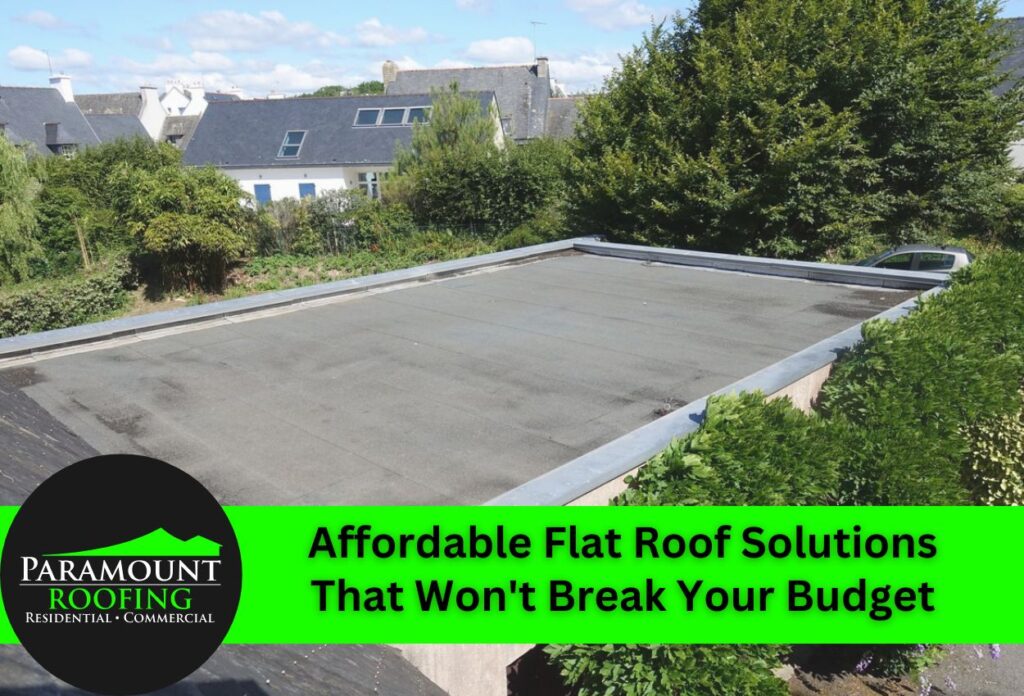
Flat roofs are gaining popularity among homeowners who want reliable roofing without the high costs of traditional pitched systems. These practical roofing solutions offer significant savings on both materials and installation while providing excellent protection for residential properties.
Many homeowners are discovering that installing a flat roof doesn’t mean sacrificing quality. Modern flat roof materials for homes have improved over time, offering durability and weather resistance that rivals more expensive alternatives. The key lies in understanding which residential flat roof options work best for different budgets and home types.
The benefits of flat roofs for houses extend beyond initial cost savings. These systems require fewer materials than sloped roofs, and the flat roof installation process is typically faster and less complex, which translates to reduced labor costs.
The material chosen makes the difference between a bargain roof and a smart investment. Quality flat roof materials can provide decades of protection when installed correctly, while simple flat roof maintenance tips help homeowners protect their investment and avoid major repairs down the road.
Understanding the available options helps homeowners make the best decisions for their roofing projects while staying within their budget.
Popular Budget-Friendly Materials for Residential Flat Roofs
Several affordable materials dominate the residential flat roofing market, each with different advantages for homeowners seeking cost-effective solutions. EPDM rubber roofs stand out as one of the most budget-friendly flat roof materials for homes, delivering exceptional value through their proven durability and weather resistance.
EPDM rubber membranes provide excellent protection against UV rays, temperature fluctuations, and moisture infiltration. This synthetic rubber material offers homeowners a reliable roofing solution that typically lasts 20 to 30 years with minimal maintenance needed throughout its life. The material’s flexibility allows it to expand and contract with seasonal temperature changes without cracking or splitting.
TPO is another popular choice among residential flat roof options, combining affordability with energy efficiency. This thermoplastic material reflects heat effectively, helping reduce energy costs during warmer months. TPO installation involves heat-welded seams that create watertight barriers, making it an excellent choice for homes in areas with significant rain or snow.
Modified bitumen offers traditional reliability at competitive prices. This asphalt-based material incorporates polymer modifiers that enhance flexibility and longevity. The multi-layer application process creates a robust waterproof barrier that performs well under foot traffic and weather exposure.
Each material requires specific installation techniques and maintenance approaches. Property owners should consider their local climate conditions, roof accessibility, and long-term performance expectations when selecting between these budget-conscious roofing materials for their homes.
What Makes Flat Roofs Cost-Effective for Houses
The streamlined design of flat roofing systems creates substantial savings compared to pitched options through reduced material requirements and simplified installation. Unlike traditional sloped roofs that require complex framing, multiple angles, and waste-generating cuts, flat roofs utilize straightforward construction methods that minimize both material waste and labor time.
Cheap flat roofs for homes stay low-cost through efficient use of materials. The simple rectangular design eliminates the need for complex measurements and angled cuts that typically result in significant waste with pitched roofing systems. This efficiency translates directly into lower material costs for homeowners seeking affordable roofing solutions.
Additionally, the flat roof installation process requires fewer specialized tools and less complex safety equipment compared to steep-slope applications. Contractors can work more efficiently on level surfaces, reducing installation time and associated labor costs. This streamlined approach makes residential flat roof options particularly attractive for budget-conscious property owners.
Energy efficiency is a significant long-term cost advantage of flat roofing systems. These roofs accommodate high-performance insulation materials more effectively than sloped alternatives due to their level surface, creating superior thermal barriers that reduce heating and cooling expenses.
The benefits of flat roofs for houses extend to simplified maintenance that homeowners can often handle themselves. Basic flat roof maintenance tips include regular debris removal and periodic inspections, tasks that require minimal equipment and expertise compared to maintaining complex pitched roofing systems with multiple penetrations and angles.
Step-by-Step Installation Process for Residential Flat Roofs
Knowing what to expect during the flat roof installation helps homeowners prepare for this major home improvement project. The process begins with thorough preparation of the roof deck, which serves as the foundation for all subsequent roofing materials. Professional contractors inspect the structural integrity of the deck, ensuring it can support the weight of the new roofing system and any additional loads, such as snow or equipment.
The drainage system is an important component of a flat roof. Contractors create slight slopes toward drainage points, preventing water accumulation that could lead to premature material failure. This drainage protects the investment homeowners make in their residential flat roof by directing water away from vulnerable areas.
Installing insulation boards comes next, providing thermal protection and creating a stable base for the waterproof membrane. Professional installers use mechanical fasteners or adhesives to secure insulation materials, ensuring consistent coverage across the entire roof surface.
Membrane installation requires precise techniques that vary depending on the chosen material. EPDM rubber installations involve careful positioning and seaming, while TPO systems require heat welding for watertight connections. Modified bitumen applications use torch-applied or cold-adhesive methods depending on specific product requirements.
Professional installation techniques include proper edge detailing, sealing around vents and equipment, and drainage integration. These critical steps ensure that flat roof materials for homes perform optimally throughout their expected lifespan. Following a flat roof maintenance routine after installation helps homeowners protect their investment and avoid the need for extensive repairs.
Smart Ways to Keep Your Flat Roof Protected
Regular care routines help homeowners identify potential issues with their flat roof before they need expensive fixes. Simple visual checks performed every few months can reveal early warning signs such as membrane tears, standing water, or debris accumulation that threaten the roof’s integrity.
Homeowners should examine their roof surface for punctures, cracks, or separation along seams where water infiltration typically begins. These inspections require nothing more than careful observation and basic safety precautions. Looking for loose or damaged flashing around roof penetrations helps catch problems while they remain manageable and affordable to address.
Seasonal maintenance tasks preserve the longevity of residential flat roof options and protect the initial investment homeowners made in their roofing system. Spring cleaning should focus on removing winter debris and checking drainage systems for proper water flow. Fall preparation involves clearing gutters and ensuring the roof surface is free from leaves and other organic materials that can trap moisture.
Snow removal during the winter prevents excessive weight that could damage the roof structure or membrane. Property owners should use plastic shovels rather than metal tools to avoid puncturing the roofing material. Summer maintenance includes checking for thermal expansion damage and ensuring proper ventilation around roof equipment.
This proactive maintenance extends the service life of cheap flat roofs for homes while maintaining their cost-effectiveness. Consistent care prevents minor issues from developing into major problems that require professional intervention.
Common Flat Roof Problems and Budget-Friendly Solutions
Detecting membrane damage early can save homeowners significant repair costs by addressing issues before they require extensive professional intervention. Small punctures, seam separations, and surface cracks are the most common problems affecting cheap flat roofs for homes, but these issues often respond well to simple repairs when caught early.
Membrane tears typically appear as small holes or splits in the roofing material caused by foot traffic, falling debris, or weather exposure. Property owners can address minor punctures using patch kits specifically designed for their flat roof materials. Clean the damaged area thoroughly, apply appropriate primer if required, and install the patch according to manufacturer specifications to restore waterproof integrity.
Seam failures occur when the joints between membrane sections begin separating, allowing water infiltration that threatens the roof structure. Homeowners can often repair small seam openings using compatible sealants or tape products designed for their specific residential flat roof. These repairs require careful surface preparation and proper adhesion techniques to ensure lasting results.
Standing water is another persistent challenge that requires attention to underlying drainage issues. Installing additional drains or adjusting roof slopes may become necessary when water consistently pools in specific areas. Applying a coating to the roof surface can sometimes restore proper drainage flow while extending membrane life.
A professional evaluation becomes essential when damage covers large areas or involves structural components. Understanding when DIY repairs suffice versus when replacement becomes necessary helps homeowners plan future flat roof maintenance and avoid mistakes that could compromise their roofing system.
Finding the Right Contractor for Your Flat Roof Project
Selecting a qualified roofing professional ensures your flat roof installation meets quality standards while staying within budget constraints. The contractor selection process directly impacts both the immediate success and long-term performance of residential flat roof options, making a thorough evaluation essential.
Asking questions helps identify contractors who understand the specific installation requirements of flat roof materials for homes. Ask potential contractors about their experience with your chosen roofing material, including how many similar installations they complete annually. Request specific examples of recent projects using the same materials and techniques planned for your home.
Licensing verification protects homeowners from unqualified installers who may compromise the integrity of their new flat roofs. Confirm that contractors maintain current licenses for your area and carry appropriate insurance coverage, including general liability and workers’ compensation. These credentials indicate professional competence and protect property owners from potential liability issues.
References provide insights into a contractor’s reliability and work quality. If possible, contact previous customers who received similar flat roof installations within the past two years. Ask about project timeline adherence, cleanup practices, and whether the completed roof performs as expected. These conversations reveal important details about contractor professionalism and workmanship standards.
Warranty coverage varies significantly between contractors and directly affects the long-term value of your investment. Reputable installers typically provide workmanship warranties ranging from two to 10 years, while material warranties depend on manufacturer specifications. Understanding both warranty types helps ensure adequate protection for your flat roof system throughout its expected service life.
Discover Affordable Flat Roof Options with Paramount Roofing
If you’re exploring cost-effective roofing solutions for your home in Detroit, consider the benefits of installing a flat roof with Paramount Roofing. Flat roofs are not only affordable but also offer significant long-term savings on energy bills due to their efficiency. At Paramount Roofing, we specialize in top-quality flat roof materials, including EPDM, TPO, and modified bitumen, tailored to fit your budget and performance needs.
Our skilled team follows a meticulous installation process to ensure your roof is set up for longevity and resilience. From preparing the roof deck to installing drainage systems, every step is handled with precision to prevent future expenses on repairs. Plus, we provide comprehensive maintenance tips and routine inspection guidelines to help you maintain the roof’s condition and maximize its lifespan.
Choosing Paramount Roofing means securing a reliable, budget-friendly roofing solution. Call us today at (586) 690-0227 to schedule a consultation and learn how our flat roofing options can benefit your home. Protect your investment with Paramount Roofing, where quality meets affordability.