 Free Estimate
 Request Service
 Locations
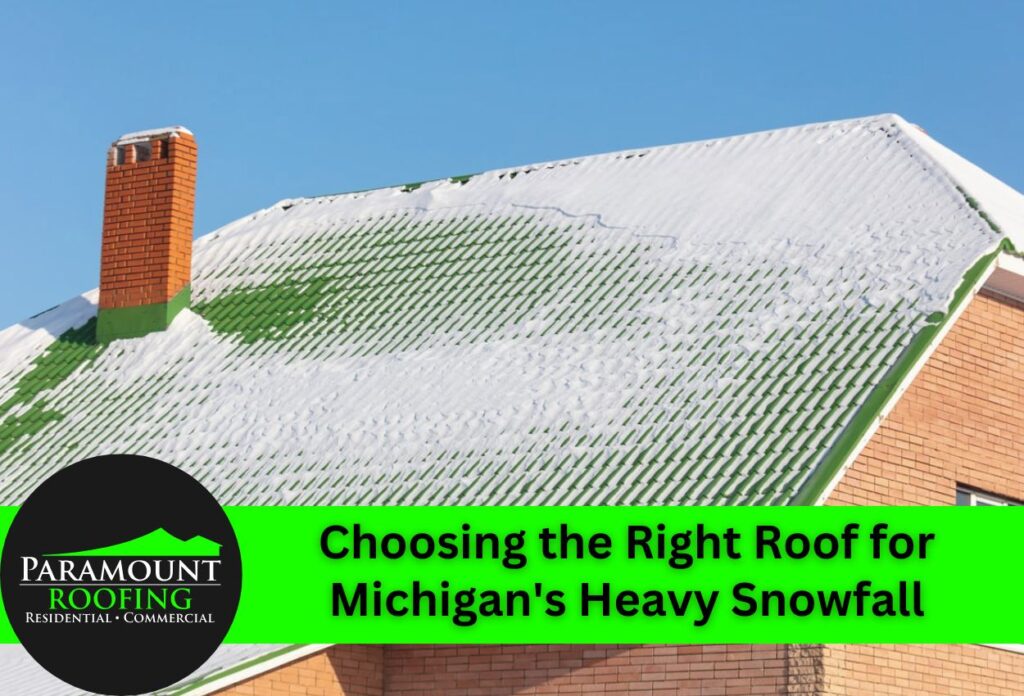
Michigan homeowners face long, unpredictable winters, making it crucial to choose the best type of roof for snow. Heavy snowfall adds substantial weight that can stress roofing systems beyond their limits, while freeze-thaw cycles lead to ice dams and moisture infiltration problems that compromise structural integrity.
Snow load roof capacity is a critical factor during material selection and structural design. Different roofing materials respond differently to winter weather, with some excelling at shedding snow quickly while others provide superior insulation properties. Metal roofing systems offer many advantages in terms of snow shedding capabilities, while traditional materials like asphalt shingles require different design considerations to handle winter weather effectively. Roof pitch also plays an essential role in preventing accumulation, but pitch alone cannot guarantee long-term performance.
Roofing materials for Michigan homes must withstand temperature fluctuations, moisture exposure, and stress from snow and ice. The most effective roofing systems combine appropriate materials with proper installation techniques and adequate structural support to handle Michigan’s demanding winter conditions while maintaining long-term durability and performance.
How Snow Load Capacity Determines Your Roofing Options
Snow load roof capacity calculations form the foundation of safe residential roofing design. Building codes establish minimum weight-bearing standards based on regional snowfall patterns, requiring roofs to support specific pounds per square foot of accumulated snow. These calculations consider factors like ground snow loads, roof slope, and exposure conditions to determine structural requirements that directly influence material selection and installation methods.
Understanding these requirements helps homeowners choose the best type of roof for the snow accumulation in their area. Metal roofing systems typically require less structural support due to their lighter weight and superior snow shedding. Conversely, heavier materials like slate or concrete tiles generally need enhanced reinforcement but may require a steeper roof pitch for effective snow removal.
Several warning signs indicate existing roofs may struggle with heavy snow accumulation. Visible sagging in roof lines, interior water stains, or creaking sounds during snowfall suggest structural inadequacy. Persistent ice dam formation often signals insufficient load capacity or ventilation problems that could compromise the roofing materials.
Structural reinforcement becomes necessary when snow loads exceed design limits or when upgrading to heavier roofing materials. A professional assessment can determine whether additional framing, enhanced supports, or complete structural modifications are required. Proper ice dam prevention also depends on adequate structural capacity to support ventilation and insulation systems that prevent problematic snow melt patterns.
Metal Roofing Systems: The Superior Choice for Snowy Climates
Metal roofing materials have exceptional performance in areas with harsh winters, making them one of the best types of roofs for snow. The smooth, non-porous surface of metal panels allows accumulated snow to slide off naturally as temperatures rise, preventing dangerous buildup that can exceed weight capacity limits. This natural shedding process reduces structural stress and eliminates ice dams in most scenarios.
The thermal properties of metal roofing panels for heavy snow create additional advantages during freeze-thaw cycles. Metal surfaces heat quickly when exposed to sunlight, promoting faster snow removal even during mild winter days. This rapid temperature response prevents the gradual melting and refreezing patterns that create ice accumulation along roof edges and gutters.
Standing seam metal roofs provide the smoothest surface for snow shedding, with raised seams that channel melting snow toward gutters efficiently. Corrugated metal offers similar benefits at lower costs, while maintaining excellent durability against repeated freeze-thaw stress. Stone-coated steel options combine metal’s structural advantages with enhanced aesthetic appeal and slightly improved snow retention when controlled shedding is preferred.
These winter weather roofing materials resist corrosion, temperature fluctuations, and mechanical stress better than traditional alternatives. Metal roofing systems do not need as steep a roof pitch for snow shedding effectiveness, performing well even on moderate slopes where other materials might accumulate dangerous loads. Professional installation ensures adequate ventilation and edge detailing that maximizes the metal roof’s natural advantages in snowy conditions.
Additional Winter-Resistant Roofing Materials That Perform Well in Snow
Traditional roofing materials exhibit varying degrees of success when confronting heavy snow and ice conditions. Asphalt shingles, while affordable and widely used, can trap snow due to their granular texture and may suffer from freeze-thaw damage over repeated winters. Clay tiles provide excellent durability, but their weight requires enhanced structural support, and their irregular surface can retain snow longer than smooth alternatives.
Slate roofs offer exceptional longevity and naturally shed snow well due to their smooth surface, making them one of the best types of roofs for snowy conditions. However, slate’s substantial weight needs robust structural support and professional installation. Wood shingles and shakes, though aesthetically appealing, absorb moisture and can deteriorate rapidly under constant freeze-thaw stress without proper maintenance.
Modern synthetic and composite materials address many limitations of traditional options while providing enhanced winter performance. Synthetic slate and composite shingles have lightweight construction, offering improved snow load roof capacity without structural modifications. These engineered materials resist thermal expansion and contraction better than natural alternatives.
Rubber roofing membranes and synthetic polymer materials demonstrate excellent flexibility during temperature changes while maintaining their waterproof integrity. Advanced composite materials often incorporate recycled content with enhanced durability, creating roofing materials that outperform conventional options in freeze-thaw resistance. These innovations provide homeowners with reliable alternatives that combine traditional aesthetics with modern performance capabilities specifically engineered for harsh winters and heavy snow accumulation.
The Critical Role of Roof Pitch in Snow Management
Roof pitch serves as the primary mechanism for natural snow removal, with steep roof pitches creating gravitational forces that prevent dangerous accumulation. Slopes of 6:12 or greater allow most snow to slide off naturally before reaching problematic weight thresholds. This natural shedding process reduces stress on structural components while minimizing opportunities for ice dam formation along roof edges.
Different winter weather roofing materials require specific pitch considerations for optimal performance. Metal roofs perform well on slopes as low as 3:12 due to their smooth surface, while asphalt shingles typically require steeper angles of 4:12 or more to achieve reliable snow shedding. Clay tiles and slate materials often need pitches exceeding 6:12 to overcome their textured surfaces that can trap snow accumulation.
Architectural style influences pitch selection. Colonial and traditional designs accommodate steeper pitches naturally, while contemporary and ranch styles may require design modifications to achieve adequate snow load roof capacity through proper slope angles. Hip roof configurations often shed snow more evenly than gable designs and distribute the weight across multiple surfaces.
The best roof pitch balances functional snow management with aesthetic appeal and structural requirements. Slopes between 8:12 and 12:12 provide excellent snow shedding for most materials while maintaining attractive proportions for residential applications. These angles work effectively with the best type of roof for snow conditions, creating systems that easily handle winter weather while preserving architectural character and long-term structural integrity.
Preventing Ice Dams Through Smart Roof Designs
Ice dams are caused by melting snow on upper roof sections, which then refreezes along the lower edges, creating barriers that trap water behind them. This trapped water backs up under the roofing materials and penetrates the decking, insulation, and interior walls, causing extensive damage that can compromise structural integrity and create expensive repair situations.
The ice dam formation process begins when inadequate attic insulation allows heat to escape through the roof deck, warming snow above living spaces while leaving eave areas cold. As melted snow flows downward and encounters freezing temperatures along gutters and overhangs, it forms ice barriers that prevent drainage. Wind-driven snow and temperature fluctuations accelerate this cycle, creating thick ice formations that can damage gutters and roof edges.
Sufficient ventilation systems create the foundation for ice dam prevention by maintaining consistent temperatures across the entire roof surface. Ridge vents combined with soffit intake vents establish continuous airflow that removes heat buildup in attic spaces. This consistent temperature prevents the differential heating that causes selective snow melting and subsequent ice dam formation.
Strategic insulation placement blocks heat transfer from living spaces to roof surfaces while allowing necessary ventilation to function effectively. Air sealing eliminates thermal bypasses that create hot spots on the roof deck. Edge protection systems, including ice and water barriers extending beyond exterior wall lines, provide additional defense against water infiltration when ice dams do form despite preventive measures. By combining the right roofing material, pitch, and ventilation and insulation systems to prevent ice dams, homeowners can enjoy a durable, winter-proof roof all season long.
Installation and Maintenance Factors for Snow-Ready Roofing
Professional installation practices determine whether the chosen roofing materials achieve their intended snow load roof capacity and performance over time. Proper fastening techniques are critical when roofing systems must withstand repeated freeze-thaw cycles and heavy snow accumulation. Metal roofs require specific fastener placement and penetration depths to prevent thermal movement damage, while traditional materials may need enhanced attachment methods to resist wind uplift and ice formation stress.
As mentioned above, ventilation system integration during installation creates the foundation for effective ice dam prevention. Professional installers ensure ridge vents align properly with soffit intakes to establish consistent airflow that maintains stable attic temperatures. Penetrations, valleys, and transitions need careful sealing techniques that prevent moisture infiltration while accommodating thermal expansion and contraction cycles.
Seasonal maintenance practices extend roof life significantly when performed consistently before and after winter. Pre-winter inspections should identify loose fasteners, damaged flashing, or compromised seals that could fail under snow loads. Clearing debris from gutters and downspouts helps prevent ice dams, while monitoring snow buildup ensures proper drainage paths remain unobstructed.
Post-winter maintenance addresses damage from freeze-thaw cycles and ice accumulation that may compromise future performance. Professional maintenance programs include fastener inspection, sealant renewal, and ventilation system cleaning that keep the roof in good condition. Regular maintenance scheduling prevents minor issues from developing into major failures that could compromise structural integrity during subsequent heavy snow.
Discover Paramount Roofing’s Expert Solutions for Snow Management
At Paramount Roofing, we understand the importance of selecting the best type of roof for snow, especially in Michigan’s demanding winters. Our extensive range of metal roofing options is engineered to handle heavy snow, prevent ice dams, and extend the lifespan of your roof with minimal maintenance. From the durable and sleek standing seam to the robust corrugated styles, each system is designed to offer superior snow shedding capabilities and withstand the harsh freeze-thaw cycles typical in Detroit and surrounding areas.
If you’re unsure if your current roof is up to the task this winter, don’t wait for the snow to cause damage. Call us today at (586) 690-0227 to protect your home with a roofing system that excels in snow management and durability. Trust Paramount Roofing to provide you with a safe, reliable, and aesthetically pleasing roof before this winter.