Request Service
 Locations
- 100+ Years Of Combined Experience
- BBB Accredited With A+ Rating
- Award-Winning Roofing Company In Metro Detroit


 Free Estimate
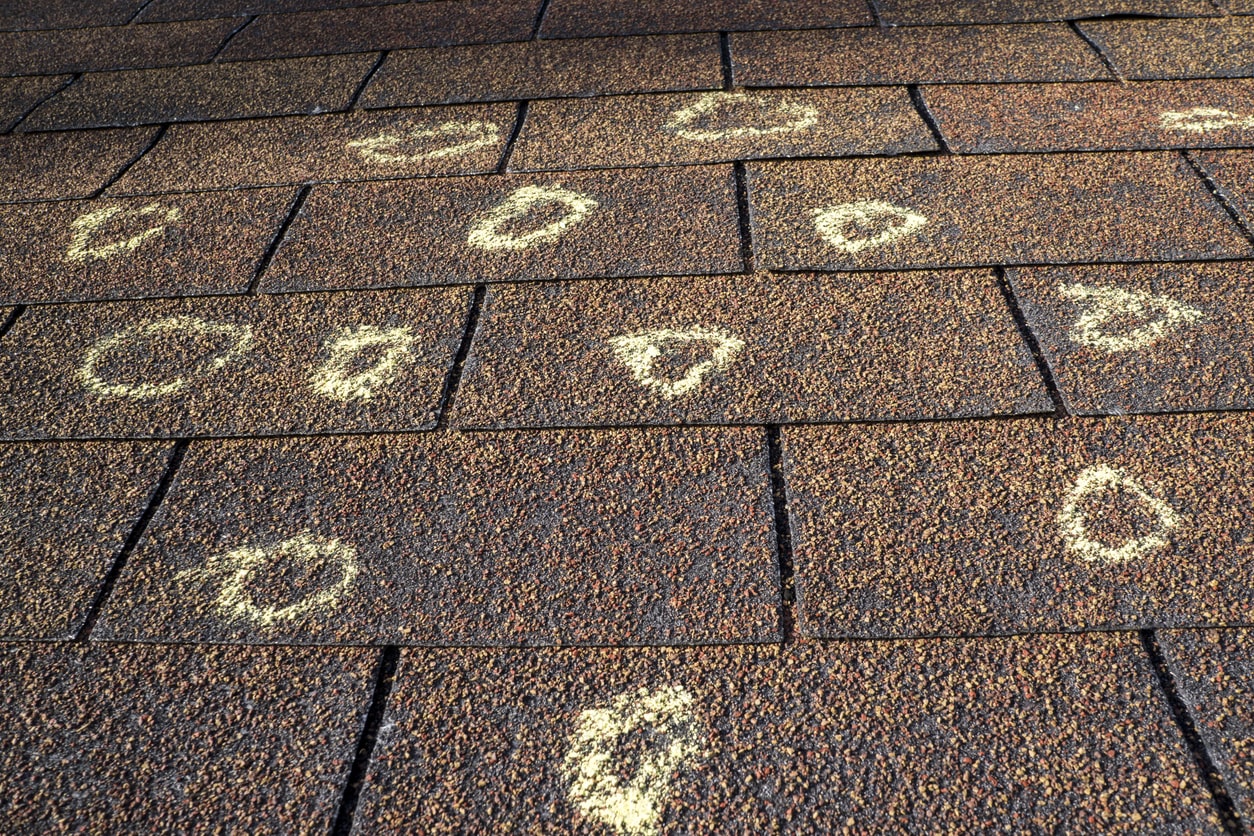
Washington Township sits close enough to Lake St. Clair that its roofs take a beating from weather that rolls in fast and hits hard. Winters bring heavy snow and the kind of temperature changes that crack shingles and push water under aging asphalt. Summers shift quickly into thunderstorm season, with high winds and hail that strip granules, loosen shingles, and leave damage that is not always obvious from the ground. Many homes here were built between the 1970s and 1990s, and those older asphalt roofs wear down faster under Michigan's variable weather than most homeowners realize until a leak finally shows up inside.
That lag between storm and visible damage is exactly where problems get expensive. Hail can bruise shingles in ways that weaken the roof over time without producing an immediate leak, and wind can lift shingle edges just enough to let water work its way through during the next heavy rain. Waiting to get things looked at gives that hidden damage more seasons to spread.
Paramount Roofing works with homeowners across Washington Township who need straight answers about what a storm actually did to their roof, and repairs that address the real problem rather than just what is visible on the surface.
If you're not sure what happens after you call, this is exactly what to expect from start to finish, so there are no surprises along the way.
Knowing what types of damage to watch for after a storm helps you make smarter decisions about your roof before small problems turn into bigger ones. Washington Township's weather creates a specific set of conditions that show up repeatedly on local homes, and understanding them puts you ahead of the curve.
| Damage Type | Common Cause | Why It Needs Quick Attention |
|---|---|---|
| Granule loss on shingles | Hail impact during summer thunderstorms | Exposed asphalt deteriorates faster and accelerates shingle failure |
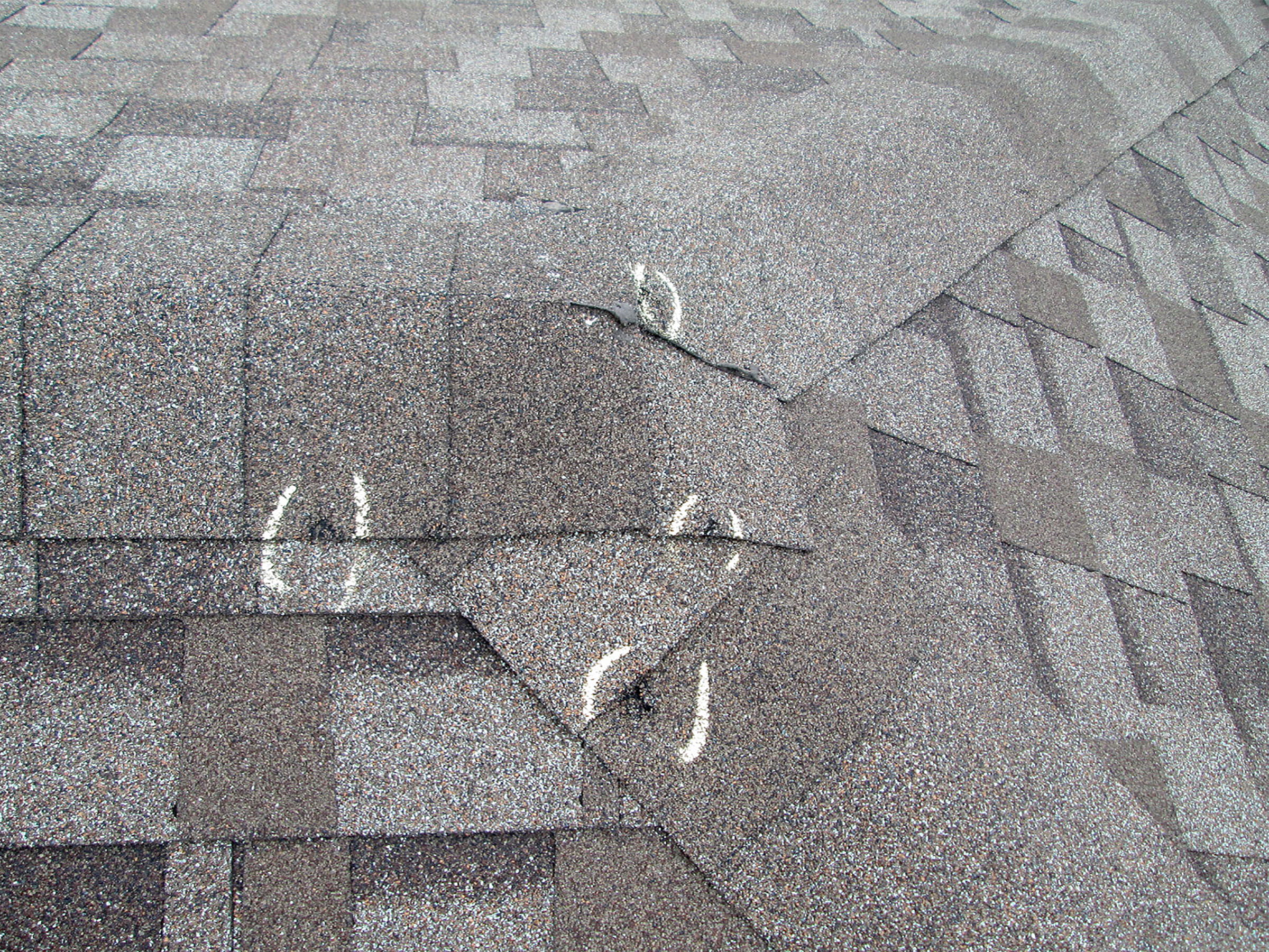
| Lifted or loose shingle edges | High winds from lake-effect microbursts | Allows wind-driven rain to reach the underlayment and roof decking below |
| Hail bruising with no visible leak | Hailstones weaken the shingle’s structural integrity over time | Hidden damage adds up across seasons until a full repair becomes unavoidable |
| Flashing failures around gaps | Wind-driven rain is forcing water past seals at vents and chimneys | Leaks at gaps often go undetected until interior damage appears |
| Cracking from temperature changes | Post-thaw stress on hail-weakened shingles in early spring | Cracks widen under spring rain pressure, making pre-May repairs especially important |
Older ranch and colonial homes built in the 1970s through 1990s tend to show these issues more quickly because the original materials and fastening patterns were not built to today's wind-resistance standards. A complete inspection after any significant storm is the most reliable way to know exactly where your roof stands.
Many Washington Township homes built in the 1970s through 1990s were fastened to standards that do not hold up against today's microburst and straight-line wind near Lake St. Clair. During repairs, we apply fastening patterns that meet current Macomb County code for uplift resistance, so replacement shingles are anchored to perform better than what was originally installed.
When lifted shingle edges or hail damage has left the underlayment exposed or compromised, we replace or reinforce that layer as part of the repair rather than just covering over it. Skipping this step leaves your home vulnerable to the same failure point the next time strong winds roll through.
Chimneys, vents, and roof valleys are where wind-driven rain finds openings first, especially during the lake-effect storms common to this area. We reseal and integrate flashing at these points as a standard part of storm repair, not as an afterthought, because a tight shingle field means nothing if the gaps around it are leaking.
Spring and fall storms in Washington Township deliver the bulk of annual precipitation, and hail-weakened shingles that crack under post-thaw stress are especially vulnerable heading into those windows. Getting repairs completed before the next heavy rain season closes in prevents existing damage from turning into a much larger problem that affects the roof deck below.
Michigan's weather doesn't give roofs much of a break, and homes in Washington Township deal with conditions that wear shingles down in ways that aren't always easy to spot after the fact. Granule loss, lifted edges, and hail bruising can sit quietly on a roof through multiple seasons before a leak finally makes the problem obvious inside your home. Getting repairs done before the next round of spring or fall storms closes in is the kind of decision that protects your property and keeps a manageable repair from turning into something far more involved.
Paramount Roofing has worked with homeowners across Washington Township who want straight answers and repairs that actually address what the storm left behind. If your roof took a hit recently, or if you're not sure whether it did, reaching out is a simple first step. We're happy to take a look and tell you exactly where things stand.
Got questions about your roof? We’ve got answers. From maintenance tips to insurance claims and repair timelines, our FAQ section covers the most common concerns homeowners have. Get informed and make confident decisions about protecting your home.
Hail bruising is one of the more deceptive types of storm damage because it weakens the shingle's protective layer without immediately producing a visible leak. Over one or two seasons, those softened spots crack under Michigan's temperature swings and spring rain pressure, eventually exposing the roof decking below. Getting a proper inspection after any significant hailstorm is the only reliable way to catch that damage before it quietly spreads.
The flat, open terrain between Washington Township and Lake St. Clair gives straight-line winds and microbursts very little to slow them down before they reach residential rooftops. Wind speeds during lake-effect storms in this area can surge well past 50 mph in short bursts, which is enough to lift shingle edges on older homes that were never fastened to current uplift standards. That exposure is part of why post-storm inspections matter more here than in areas with more natural wind breaks.
When shingles are cracked, missing granules, or have lifted edges heading into winter, melting snow can work its way beneath the surface and refreeze as temperatures drop again at night. That repeated cycle forces moisture deeper into the deck, which can lead to wood rot and structural softening that goes well beyond what the original storm caused. Repairs made before winter arrives protect the deck itself, not just the surface layer you can see from the ground.

#1 Top Rated
100% Satisfaction Guarantee
2100+ Projects Completed
Your Local Roofing Experts in Romeo, MI