Request Service
 Locations

- 100+ Years Of Combined Experience
- BBB Accredited With A+ Rating
- Award-Winning Roofing Company In Metro Detroit


 Free Estimate
Troy gets a full year of weather that keeps roofs working hard. Winters bring temperatures that drop into the teens, several months of snowfall, and wind that peaks right in the middle of the snowiest stretch of the year. Spring and early summer pile on with frequent rain and thunderstorms that can strip shingles or crack aging flashing in a single afternoon. With precipitation spread across roughly 125 days a year, there are very few seasons where an exposed roof can just wait. That matters especially in a city with a large share of homes built in the 1970s, 1980s, and 1990s, where roofs are already in or near the age range where storm damage leaves them more vulnerable.
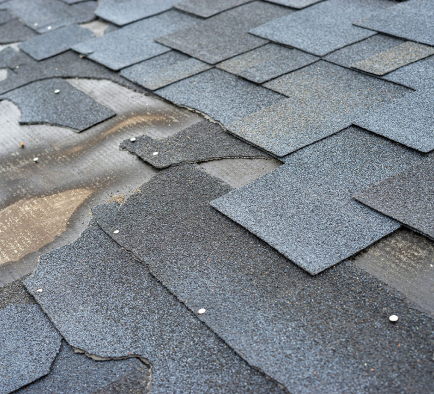
When a storm tears off shingles or sends a limb through your roof, the clock starts immediately. Every hour of delay means water working its way into your roof decking, insulation, and ceilings. Emergency roof tarping is the fastest way to protect your home between the moment damage happens and the day a permanent repair can be completed. A properly secured tarp covers exposed roof openings, reduces wind uplift on weakened areas, and keeps the next round of rain or snow from turning a manageable repair into something far more serious.
Paramount Roofing responds quickly to roof emergencies throughout Troy because we know this area’s weather patterns and the housing here. We install tarps that are fastened to hold through gusts, snow accumulation, and temperature changes, giving you real protection while a lasting repair is planned.
When your roof is exposed after storm damage, knowing exactly what happens next makes a stressful situation a lot easier to handle. Here is the process we follow from the first call to the final check.
Not every bit of roof damage needs an emergency tarp, but some situations genuinely cannot wait. Troy’s weather keeps the pressure on year-round, and older homes from the 1970s through 1990s tend to have less margin for error when a storm hits. If your roof has been opened up in any way, getting temporary protection in place quickly can mean the difference between a straightforward repair and a much more expensive one.
| Damage Type | Why It Requires Fast Action | Tarping Priority |
|---|---|---|
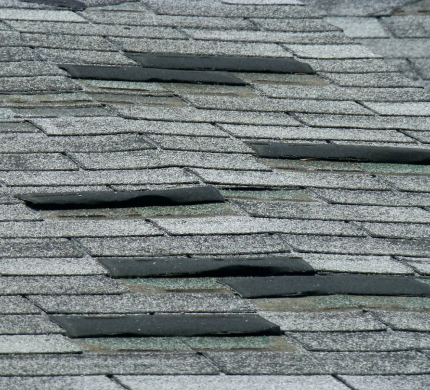
| Missing or stripped shingles | Exposed roof decking absorbs water within hours during rain | High |
| Tree limb impact | Creates an opening that allows water, wind, and debris inside | High |
| Failed or torn flashing | Allows leaks at seams and edges even without visible surface damage | Moderate to High |
| Wind uplift along roof edges | Weakened sections can peel further in the next gust or storm | Moderate to High |
| Puncture or collapse from heavy snow | Structural opening needs immediate coverage before next snowfall or rain | High |
A tarp is a short-term solution, not a permanent fix. Its job is to protect your home until a proper repair can be completed, and in Troy’s weather, that window matters more than most homeowners expect.
We use tarps sized to extend well beyond the damaged area, covering enough of the surrounding roof surface to keep water from sneaking in at the edges. A tarp that just covers the obvious hole is not enough when rain is coming in at an angle, or wind is pushing moisture sideways across the roof.
Tarps are anchored with weighted boards or battens across the surface and wrapped around the roof edge so gusts cannot get underneath and lift them. This kind of fastening is what separates a tarp that holds through January snowfall and wind from one that peels back before the permanent repair is scheduled.
Once shingles are missing or a surface is punctured, your roof decking is directly exposed to rain and snow. Getting a tarp in place quickly keeps that wood from absorbing moisture, which helps prevent rot, mold, and the kind of roof deck damage that turns a shingle repair into a much larger project.
Troy’s weather rarely stays predictable, and a tarp placed before a rainstorm may face ice accumulation or high winds before the permanent repair is done. We communicate clearly about what to watch for and stay available if conditions shift and the tarp needs attention before your scheduled repair date.
Troy’s weather does not take breaks between seasons, and an exposed roof feels that pressure quickly. Rain arrives often enough that even a short coverage gap can lead to water reaching your roof decking or ceilings, and older homes tend to absorb that damage faster than most homeowners expect. Getting a tarp in place quickly protects your home from the next round of weather, whether that is a spring downpour or a mid-winter snowfall, and gives you time to plan a permanent repair without rushing into decisions.
Paramount Roofing is ready to respond to roof emergencies throughout Troy with tarps that are built to hold through real conditions, not just one rainstorm. If your roof has been opened up and you are not sure what to do next, reaching out is a good first step. We will give you honest information about what your situation calls for and get protection in place as quickly as possible.
Got questions about your roof? We’ve got answers. From maintenance tips to insurance claims and repair timelines, our FAQ section covers the most common concerns homeowners have. Get informed and make confident decisions about protecting your home.
A properly installed tarp, secured with weighted boards or battens and wrapped around the roof edge, is built to handle follow-up weather, not just the storm that caused the damage. That level of fastening matters in Troy, where January can bring back-to-back windstorms and snow accumulation that would lift a loosely placed tarp within days. The key is how the tarp is anchored, not just how large it’s.
Older roofs often have more than one vulnerable spot, and what looks like isolated storm damage sometimes sits next to flashing or shingle sections that are already worn thin. During the tarping process, we inspect the surrounding area to get a clear picture of what else may be at risk, which helps you go into the permanent repair without surprises. This is especially worth knowing on homes from the 1970s through 1990s, where surface damage from one storm can reveal wear that was already building underneath.
The most helpful thing you can do is keep people away from the affected area inside your home and move anything below the damaged section that could be ruined by water. Avoid going onto the roof yourself, since wet or damaged roof decking can be unstable in ways that are not obvious from the outside. If water is actively dripping inside, placing a bucket and putting down towels can limit surface damage while you wait, but the roof itself should be left alone until a crew can inspect and cover it safely.

#1 Top Rated
100% Satisfaction Guarantee
2100+ Projects Completed
Your Local Roofing Experts in Romeo, MI