Request Service
 Locations

- 100+ Years Of Combined Experience
- BBB Accredited With A+ Rating
- Award-Winning Roofing Company In Metro Detroit

 Free Estimate
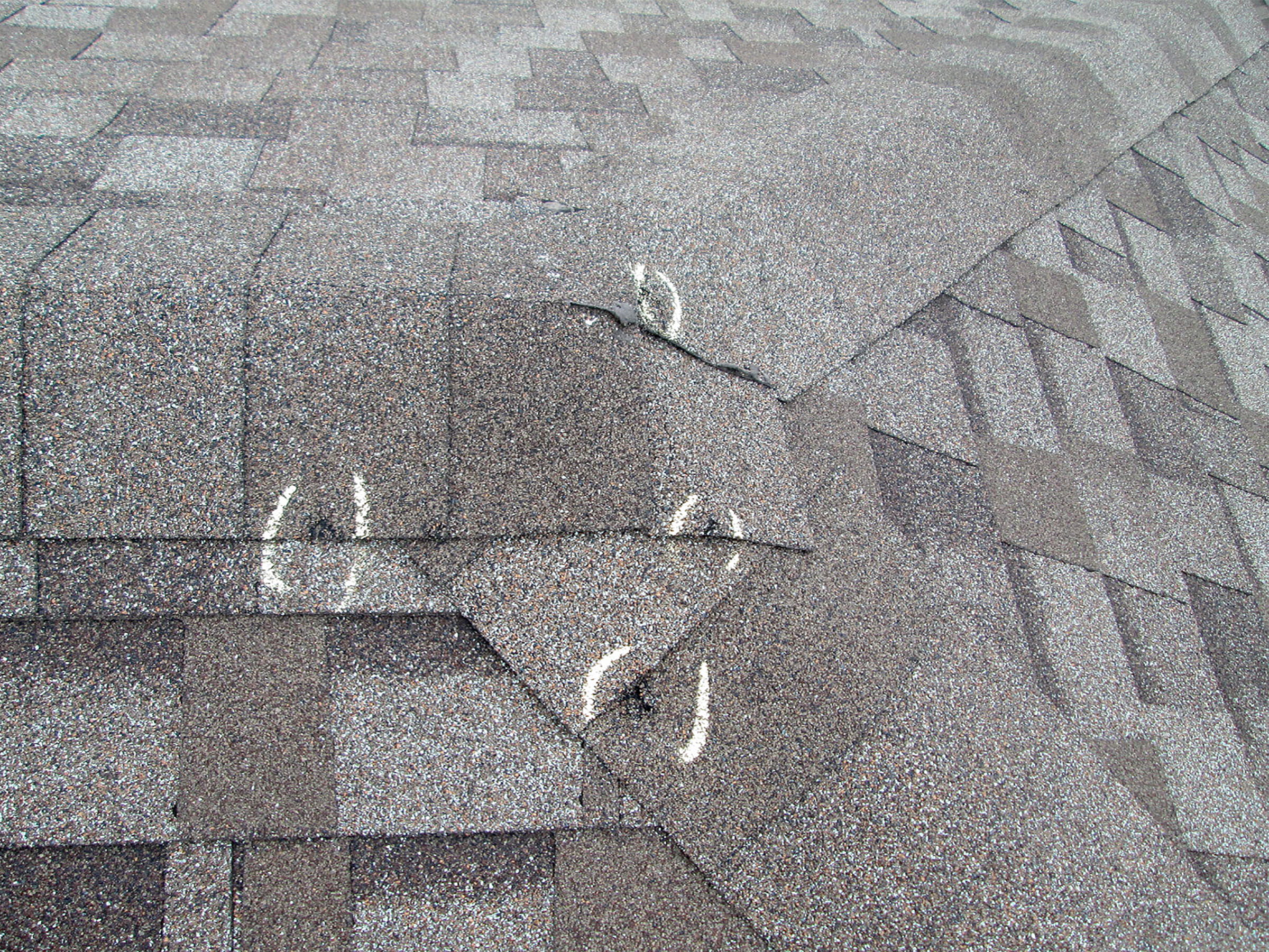
Southfield sits in one of Michigan's most active hail corridors, and if you've lived here through a few summers, you already know how fast a storm can roll through Oakland County. Hailstorms with stones an inch or larger happen multiple times a year in this area, mostly between late spring and the end of summer. That kind of repeated impact adds up fast, especially on roofs that have seen 15 or more winters of temperature changes, heavy snow, and freeze-after-thaw. What looks like surface scuffing after a storm can actually be bruising deep in the shingle mat, and that hidden damage weakens your roof long before a leak appears inside your home.
That's exactly why getting your roof inspected quickly after a storm matters. Hail damage doesn't always show up as obvious holes or missing shingles. Dents on your gutters, granules washing out of downspouts, and displaced ridge caps are often the first signs that something is wrong above your head. Left alone, that damage gets worse with every rain and temperature swing that follows.
Paramount Roofing works with homeowners across Southfield to inspect storm damage honestly and give you a clear picture of what your roof actually needs. Whether the repair is minor or the damage runs across multiple slopes, you'll get a straight answer based on what's there, not what's easiest to sell.
Storm damage can leave homeowners unsure about what needs attention and what happens next. Paramount Roofing follows a structured process that identifies the damage, explains the repair options, and verifies the completed work.
A few key details can change whether your roof needs a targeted repair or a full replacement after a hail storm. Understanding what drives those decisions helps you know what to expect before anyone gets on your roof.
| Factor | What It Means for Your Roof | Likely Outcome |
|---|---|---|
| Impact density across slopes | 8 or more impacts in a 10×10 foot section found consistently across the surface of the roof | Full replacement often approved |
| Roof age and shingle flexibility | Older shingles that have lost flexibility are more vulnerable, even to smaller hail | Replacement more likely than repair |
| Damage spread across the roof | Repairs covering more than 25% of the surface of the roof trigger a Michigan building permit requirement | Permit required before work begins |
| Hail size at time of storm | Stones reaching golf ball size or larger cause damage across most roofing materials | Complete inspection of all slopes needed |
| Shingle upgrade opportunity | Class 4 impact-resistant shingles offer better protection in high-frequency hail zones | May qualify for insurance premium reduction |
These factors are not just technical details. They directly shape what kind of work your roof needs and what your insurance may cover. Getting a complete inspection quickly after a storm gives you the clearest picture of where things stand.
Hail doesn't always leave visible holes. It can bruise the fiberglass mat inside the shingle, weakening it from the inside out without obvious surface damage. Repairing this hidden damage before the next storm hits protects your home from leaks that develop slowly and quietly over time.
Ridge caps and flashing around chimneys, vents, and valleys take a direct hit during hail storms and are often displaced or cracked even when the main field of shingles looks intact. Replacing these parts as part of your repair keeps water from finding its way in through the spots your roof is most vulnerable.
When hail punches through, or cracks shingles, the underlayment beneath them can be torn or compromised as well. Addressing the underlayment during the repair ensures you have a proper moisture barrier in place, not just new shingles over a layer that's already been damaged.
Gutters, drip edge, and other metal surfaces around your roofline tell an important story after a storm. Dents and dings on these surfaces help confirm hail size and impact density, which supports an accurate picture of the full extent of damage to your roof before repair work begins.
Michigan summers bring real storm risk to Southfield, and roofs that take repeated hits over the years become more vulnerable with each one. Catching hail damage early and repairing it correctly keeps small problems from turning into expensive ones. A roof that's in good shape protects your home, holds its value, and gives you one less thing to worry about heading into fall and winter when temperature changes and heavy snow start putting pressure on every part of the structure.
If your roof took a hit recently, or you haven't had it inspected since the last round of storms, Paramount Roofing is ready to help. We serve homeowners throughout Southfield and the surrounding area, and the process is straightforward from start to finish. The diagnosis is honest, and the work gets done right. Reach out whenever you're ready, and we'll take a look at what your roof actually needs.
Got questions about your roof? We’ve got answers. From maintenance tips to insurance claims and repair timelines, our FAQ section covers the most common concerns homeowners have. Get informed and make confident decisions about protecting your home.
The answer usually comes down to how many slopes were hit and how densely the impacts are spread across each one. Isolated damage on a single slope often qualifies for a targeted repair, while consistent impact patterns found across the whole roof tend to meet the threshold insurers use to approve full replacement. Your roof's age matters too, because older shingles that have lost flexibility are less likely to hold up with a patch job alone. A thorough on-site inspection after the storm is the only way to know for certain which direction your situation points.
Many hail hits don't cause leaks immediately, which is what makes them easy to overlook until the damage is much worse. Bruising deep in the shingle mat can weaken your roof structurally while the surface still looks mostly fine from the ground. Southfield's temperature swings and wet winters accelerate that hidden damage, so a roof that seemed okay after a summer storm may start showing leaks by the time snow season arrives. Getting an inspection done within a few days of any storm that reports hail an inch or larger is the best way to catch problems before they get expensive.
It can, and it's a question worth asking your insurance provider directly. Class 4 impact-resistant shingles are rated to handle larger hail better than standard asphalt shingles, and many insurers offer premium discounts for homes in high-frequency hail zones like the I-96 corridor that includes Southfield. If you're already having repair work done or replacing a slope, upgrading the shingle grade at that point costs less than doing it as a separate project later. Your roofer can tell you what impact-resistant options are available and how they compare to what's currently on your roof.

#1 Top Rated
100% Satisfaction Guarantee
2100+ Projects Completed
Your Local Roofing Experts in Romeo, MI