Request Service
 Locations

- 100+ Years Of Combined Experience
- BBB Accredited With A+ Rating
- Award-Winning Roofing Company In Metro Detroit


 Free Estimate
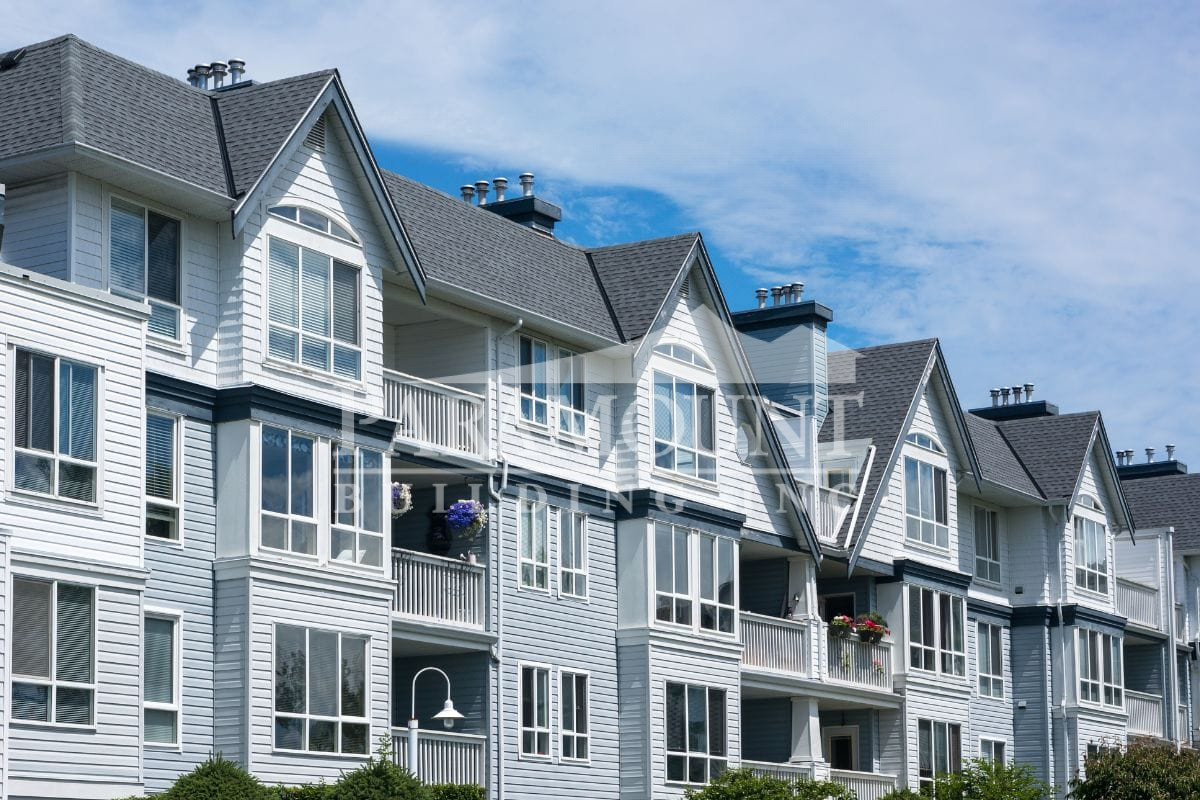
Rochester Hills sits in Oakland County, where winters bring heavy snow, hard freezes, and repeated temperature changes that put real stress on large roofs. Spring follows with steady rain, and summer brings heat and humidity that can work against roofing systems over time. For apartment buildings and multi-tenant complexes, that seasonal cycle adds up fast. On pitched, shingled apartment buildings and other multi-unit properties, damaged shingles or flashing can allow moisture into shared roofs. Regular inspections help property managers identify wear before leaks affect occupied units.
Multi-family roofing involves planning around occupied units, shared roof sections, building access, and tenant communication. Paramount Roofing works with property managers and owners in Rochester Hills and surrounding Oakland County communities to assess roofing needs and coordinate repairs or replacements.
Whether you manage a single apartment building or a larger complex with multiple structures, the roofing decisions you make affect your tenants, your operating budget, and the long-term value of your property. Getting those decisions right starts with working alongside a contractor who understands this region and the specific demands that come with roofing occupied residential buildings.
Managing a roofing project on an occupied building comes with a lot of moving parts, and our process is built to keep you informed and in control at every stage.
For property managers and building owners, multi-family roofing projects involve more variables than a standard residential job. The scale of the roof, the needs of occupied units, and southeast Michigan’s seasonal weather all factor into how and when work should be planned. Thinking through these elements ahead of time helps keep projects on track and reduces the chance of surprises during installation.
| Planning Factor | What to Consider | Why It Matters |
|---|---|---|
| Seasonal Timing | Pre-winter inspection and post-winter repair cycles are common in this region | Winter conditions can limit what work is practical and safe to complete |
| Tenant Coordination | Access scheduling, noise windows, and unit proximity to work areas | Keeps residents informed and building operations running during the project |
| Drainage and Gaps | Snow melt, spring rain, and humidity increase pressure on seams and openings | Proper detailing around vents and HVAC curbs prevents leaks from developing |
| Material Selection | Durable systems suited to repeated temperature changes and heavy snow | Longer service life reduces the need for large-scale replacements |
| Warranty Coverage | Review both workmanship and material warranties before committing to a contractor | Clear warranty terms protect your investment across the full life of the roof |
Taking a structured approach to these factors before work begins puts you in a much stronger position, whether you are planning a targeted repair or a full replacement across multiple buildings.
When your complex includes more than one structure, roofing work needs to be sequenced so crews move efficiently between buildings without creating extended gaps in tenant protection. We plan the project order around building condition, exposure, and operational priorities so no structure sits vulnerable longer than necessary.
Apartment buildings typically have more roof gaps per square foot than single-family homes, including HVAC curbs, exhaust vents, plumbing stacks, and electrical conduits. Each one is a potential entry point for water, so proper flashing and sealing around every opening is handled with precise work rather than treated as a finishing detail.
Multi-family roofs carry higher use, more foot traffic from maintenance personnel, and longer replacement cycles than most residential roofs. We help you select systems and materials that are built for that kind of demand, so your investment holds up over the full service life of the roof rather than requiring repeated intervention every few years.
Southeast Michigan’s seasonal weather does not give large roofing systems a long break between challenges. Between the weight of winter snow, the runoff that comes with spring rain, and the heat and humidity that build through summer, apartment and multi-tenant roofs in this region deal with a steady cycle of stress year after year. Getting ahead of that cycle with regular inspections and planned maintenance is one of the most practical ways to protect your property, reduce expensive repairs, and keep your tenants comfortable without interruption.
Paramount Roofing works with property managers and building owners throughout Rochester Hills and the broader Oakland County area on roofing projects of all sizes. If you have a roof that needs attention or you simply want a clear picture of where things stand before the next season, we are ready to help. Reach out to us, and we can get started with a straightforward conversation about your property.
Got questions about your roof? We’ve got answers. From maintenance tips to insurance claims and repair timelines, our FAQ section covers the most common concerns homeowners have. Get informed and make confident decisions about protecting your home.
Once temperatures drop consistently below freezing, many roofing materials can not seal or bond the way they should, which is why most larger projects in this region are planned for late spring through early fall. For occupied buildings, this timing also matters because completing work before winter reduces the risk of tenants being affected by an active leak when conditions outside are at their worst. If a repair is urgent during the colder months, we can address it, but full replacements are best planned before the season turns.
On a multi-family building, workmanship warranties and material warranties cover different things, and the distinction matters more than most property managers expect. Material warranties apply to the roofing system itself, but they can be voided by improper installation or unauthorized repairs made after the job is complete. Knowing exactly what each warranty covers and who is responsible for what helps you avoid situations where a legitimate problem falls into a gap between the two.
Appropriate shingles, underlayment, and flashing help manage water on a pitched roof. Regular inspections should check for missing shingles, damaged flashing, obstructed gutters, and signs of moisture around openings or inside the building. A professional assessment can identify the source of a leak and recommend appropriate work.

#1 Top Rated
100% Satisfaction Guarantee
2100+ Projects Completed
Your Local Roofing Experts in Romeo, MI