Request Service
 Locations
- 100+ Years Of Combined Experience
- BBB Accredited With A+ Rating
- Award-Winning Roofing Company In Metro Detroit
 Free Estimate
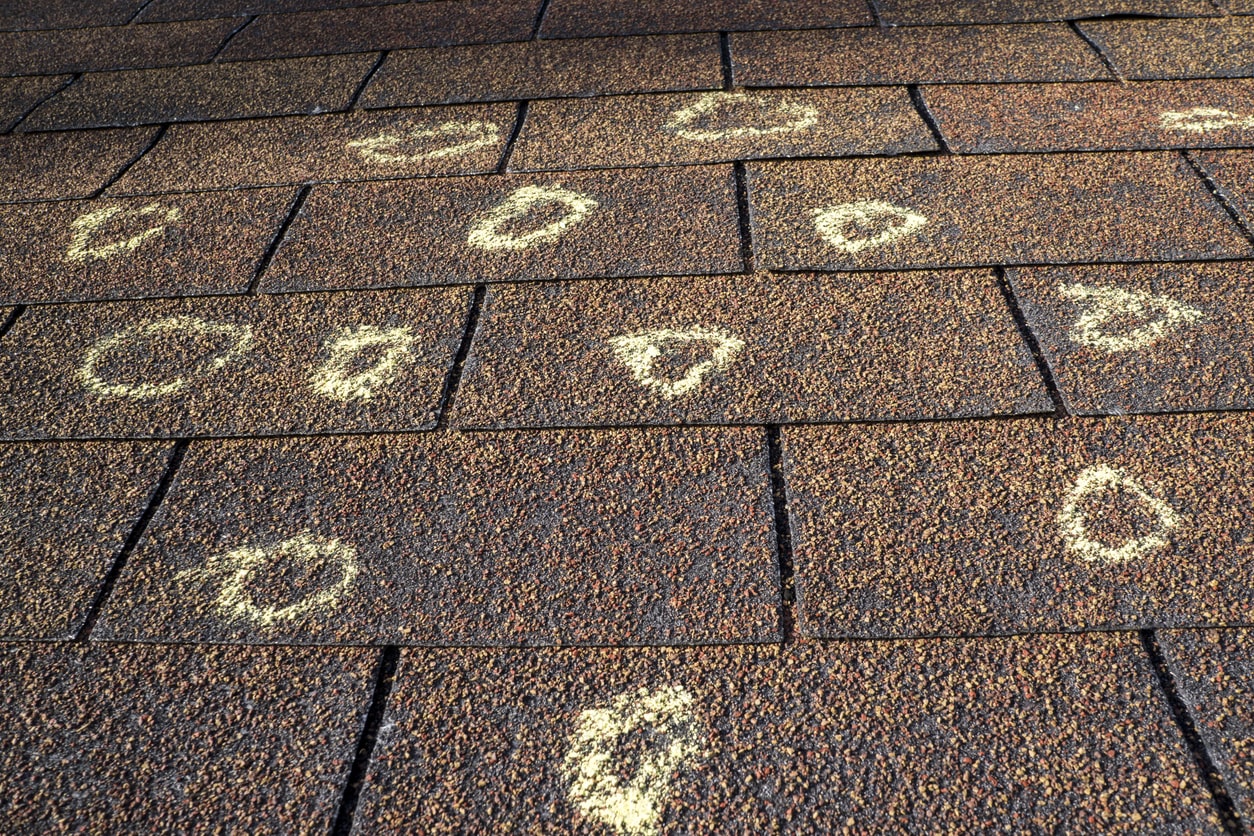
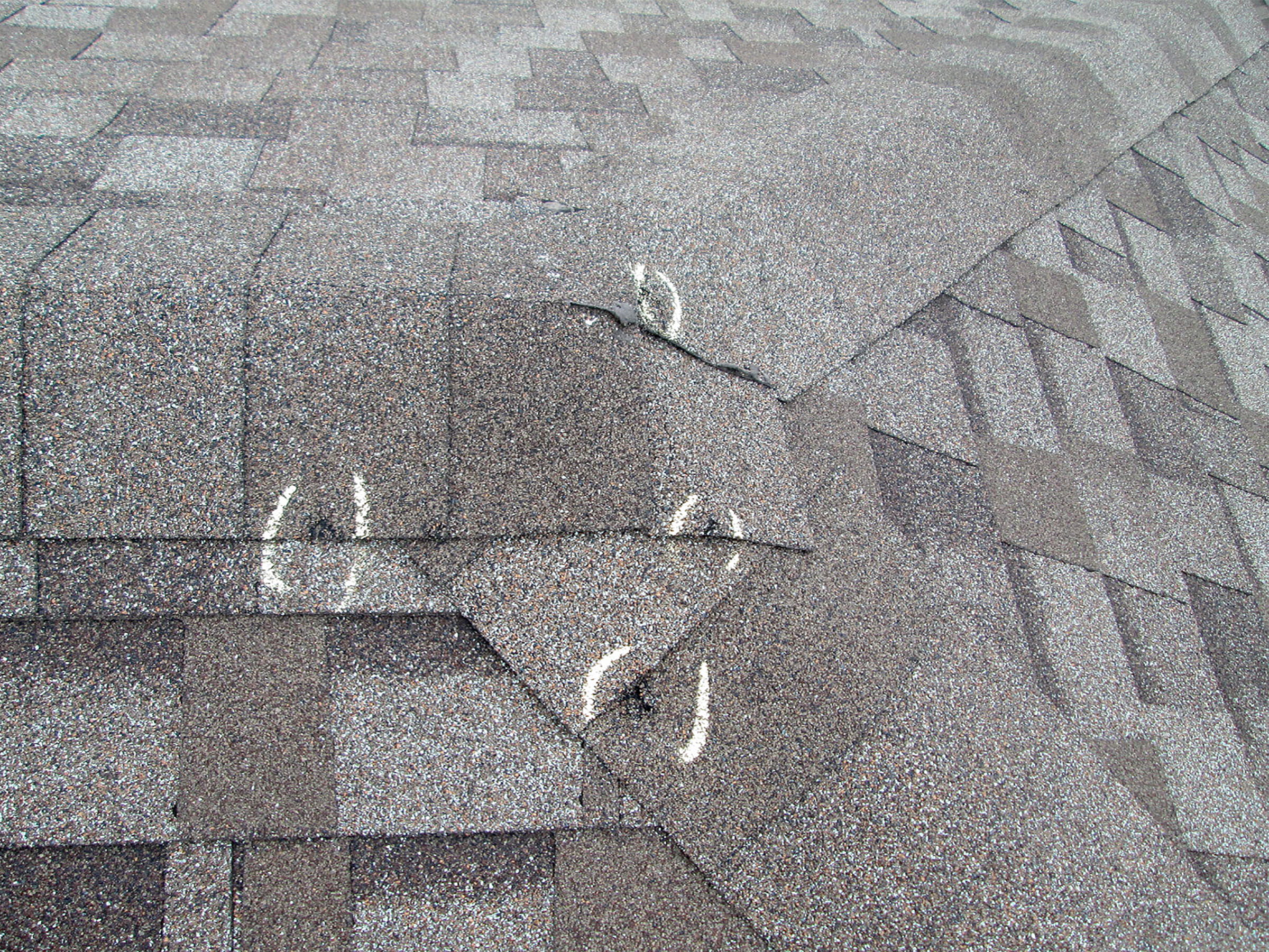
Plymouth sees its fair share of rough weather throughout the year. Winters bring heavy snow and ice that build up along roof edges, spring storms roll through with steady rain, and summer thunderstorms can arrive fast with strong winds and hail. For the older ranch and colonial homes that make up much of the area, those conditions add up. Asphalt shingle roofs on homes built between the 1960s and 1990s take a beating from wind-lifted tabs, hail impacts on flashing, and the repeated temperature changes that work away at materials over time. When damage goes unnoticed after a storm, what starts as a few displaced shingles or compromised flashing can quietly open the door to leaks and structural problems that are far more expensive to fix.
That is where Paramount Roofing comes in. Our team works specifically in the Plymouth area and understands how local weather patterns affect roofs on these homes. After a significant storm, the details matter: checking shingle condition, inspecting flashing around chimneys and vents, looking for granule loss in the gutters, and examining the structure beneath for any damage from fallen branches. Storm damage roof repair for residential homes is not just about patching what you can see. It is about making sure your roof is fully intact and ready to protect your home through whatever the next season brings.
Not knowing what comes next after a storm is stressful. Here is exactly what the process looks like when you call Paramount Roofing, from the first visit to the final walkthrough.
After a storm moves through the Plymouth area, some damage is obvious, and some is not. Knowing what to look for helps you catch problems before they quietly work their way into your home’s structure or interior.
Permit requirements apply to certain repairs in Plymouth, so working with a contractor familiar with local standards keeps your repair compliant from the start.
Older ranch and colonial homes in Plymouth often have multiple roof planes, and matching replacement shingles to existing ones takes careful attention to color, texture, and granule blend. Getting this right matters both for your home’s appearance and for maintaining a consistent protective surface across the entire roof.
Many homes built in the 1960s through 1990s have limited soffit intake, and storm repairs create a good opportunity to identify ventilation gaps that lead to attic condensation during humid Michigan summers. Addressing airflow issues at the same time prevents moisture buildup that can quietly damage insulation and framing from the inside.
Storm stress often pulls gutters away from the roofline, and if the fascia board behind them is weakened or rotted, simply resecuring the gutters is not enough. Repairing the fascia board as part of the overall storm repair keeps water from running behind the gutter system and working its way toward your foundation and siding.
Plymouth requires permits for roof repairs that exceed certain size thresholds, with specific standards around fastening and ventilation to handle the region’s moisture levels. Working with a contractor who knows these requirements means your repair is done correctly and your home’s records reflect work that meets local code.
Michigan weather does not give roofs much of a break. Between the snow and ice that settle in through winter, the spring rains, and the summer storms that move through with little warning, the roofs on Plymouth’s older homes absorb a lot over the years. Catching damage early and repairing it correctly protects your home from the kind of problems that adding up quietly between seasons, and it keeps your investment in your property in good shape for the long run. Following storm damage roof repair safety practices is especially important when inspecting or addressing issues after severe weather.
Paramount Roofing works with homeowners throughout the Plymouth area on exactly these situations. If a recent storm has you wondering about your roof’s condition, reaching out is the right first step. A proper inspection gives you a clear picture of what is actually going on up there, and that information lets you make a confident decision about what comes next. There is no obligation in asking, and knowing is always better than guessing. If immediate protection is needed before permanent repairs can be completed, emergency roof tarping can help minimize further exposure to the elements.
Got questions about your roof? We’ve got answers. From maintenance tips to insurance claims and repair timelines, our FAQ section covers the most common concerns homeowners have. Get informed and make confident decisions about protecting your home.
The key is whether the roof is actively exposed to the elements. Lifted or missing shingles, cracked flashing, or any area where the underlayment is visible should be addressed quickly, especially heading into a stretch of rainy weather. Damage that looks minor from the ground can allow water to reach your roof decking or attic in a single rainstorm, which turns a straightforward repair into something much more involved. If you are unsure, getting eyes on it sooner rather than later is the safer call.
The relatively flat terrain around Plymouth, combined with proximity to local lakes, gives wind fewer natural barriers to break it up before it reaches your neighborhood. Older ranch and colonial roofs with low to moderate pitches tend to catch that wind in a way that lifts shingle tabs and displaces ridge caps more easily than steeper roof profiles. It is not that the storms are worse here necessarily, but the local geography and the age of the housing stock together create conditions where wind does more work on a roof than homeowners often expect.
Matching is possible in many cases, but it depends on the age of your shingles and whether that granule blend and color profile is still being produced. On multi-plane roofs common to older Plymouth colonials, the sun exposure on different sections also affects how shingles age, so a newer replacement section may look noticeably different at first, even with a close match. A good contractor will be upfront with you about how close the match is likely to be before the work begins, so you are not surprised by the result.

#1 Top Rated
100% Satisfaction Guarantee
2100+ Projects Completed
Your Local Roofing Experts in Romeo, MI