Request Service
 Locations

- 100+ Years Of Combined Experience
- BBB Accredited With A+ Rating
- Award-Winning Roofing Company In Metro Detroit


 Free Estimate
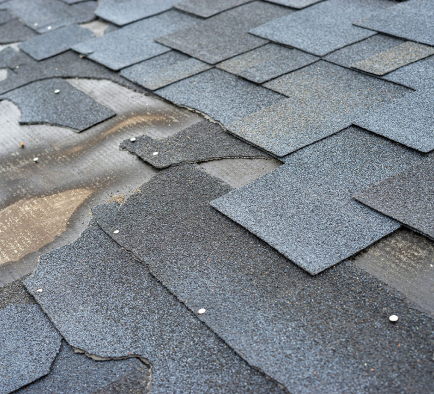
Plymouth winters are hard on roofs. Between the heavy snow, bitter cold, and the repeated temperature changes that come with southeast Michigan weather, even a small opening in your roof can turn into a serious problem fast. When a storm lifts shingles, hail punches through roof decking, or a sudden leak appears at a chimney or valley, every hour without protection puts more of your home at risk. Water that gets in during a thaw can refreeze, expand, and push deeper into the roof assembly before you even notice the damage spreading.
That's where emergency roof tarping comes in. A properly secured tarp stops the bleeding, protecting your home's interior and structure while you arrange permanent repairs. At Paramount Roofing, we understand the specific conditions that drive roof damage in Plymouth and the surrounding Wayne County area. Older homes with aging shingles, worn flashing, and exposed chimney intersections need a fast, reliable response, and that's exactly what we provide.
Tarping in this climate takes more than throwing plastic over a hole. Wet snow, runoff, and repeated temperature changes put real stress on fasteners and tarp edges. A tarp that isn't secured correctly won't last through the next storm, and in Plymouth, the next storm usually isn't far off. Getting it done right the first time protects your home and keeps the repair process on track.
When a damaged roof is temporarily exposed, the priority is limiting additional weather exposure while the condition is evaluated. From the initial assessment through the permanent repair plan, each step is based on what the roof actually needs.
Not every roof problem looks the same, and knowing where damage typically starts helps you catch problems before they spread. In Plymouth, certain areas of the roof are far more likely to fail suddenly after a storm, especially on older suburban homes where materials have been through years of temperature changes, wet snow, and wind exposure.
| Damage Location | Common Cause | Why Tarping Helps |
|---|---|---|
| Roof valleys | Ice buildup forces water back under shingles during temperature changes | Seals the channel where runoff concentrates and leaks form fastest |
| Chimney intersections | Worn or cracked flashing separates during windstorms or freeze pressure | Covers the gap before water reaches interior framing or ceilings |
| Flat or low-slope sections | Ponding from heavy snowmelt strains aging roofing materials | Redirects water away from exposed roof decking until repairs are made |
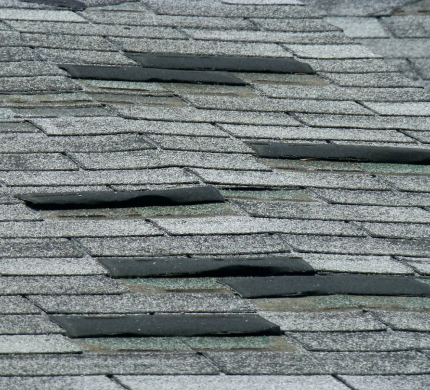
| Shingle fields | High winds lift or tear shingles, leaving roof decking exposed to rain and wet snow | Protects the roof deck surface from moisture absorption and further damage |
| Roof gaps | Hail impact or wind damage cracks seals around vents and pipe boots | Isolates the leak path quickly before water spreads to surrounding areas |
These are the spots we inspect first when we arrive at your home. Identifying the exact source of damage quickly is what allows us to place a tarp correctly and protect the right areas before the next round of rain or dropping temperatures.
Not all tarps hold up the same way, and in Plymouth's climate, a thin or lightweight covering won't last through wet snow, runoff, and repeated temperature changes. We use heavy-duty tarping materials rated to resist tearing, pooling, and wind uplift so your roof stays protected between now and your permanent repair.
The edges and seams of a tarp are where failures start, especially when wind gets underneath or snow weight shifts the covering. We fasten every edge with methods designed to hold through the kind of wind exposure common across southeast Michigan, not just calm conditions.
A tarp placed only over the obvious breach can still leave surrounding roof decking, flashing, and adjacent shingle fields exposed to water. We size and position coverage to account for how water actually travels across your roof so vulnerable areas nearby are protected, not just the spot where damage is most visible.
Tarping in near-freezing or below-freezing conditions requires adjustments that a warm-weather installation simply doesn't. Wet surfaces, icy roof decking, and stiff materials all affect how a tarp is set and secured. Our crew is experienced working in the conditions Plymouth actually sees, which means the tarp goes on correctly even when the weather isn't cooperating.
Plymouth's mix of wet winters, spring rain, and repeated temperature changes means a damaged roof rarely gets a break between storms. Acting quickly after storm damage protects your home's structure and interior from the kind of water exposure that turns a straightforward repair into a much larger project. The sooner a tarp is in place, the better your chances of keeping the damage contained until permanent repairs are scheduled and complete.
If your roof has been damaged and you need it covered fast, Paramount Roofing is ready to help. Reach out to us, and we will walk you through the next steps, answer your questions honestly, and get someone out to your home as quickly as possible.
Got questions about your roof? We’ve got answers. From maintenance tips to insurance claims and repair timelines, our FAQ section covers the most common concerns homeowners have. Get informed and make confident decisions about protecting your home.
A heavy-duty tarp that is properly secured can last through multiple storms, including wet snow and wind, but it’s not a permanent fix. In Plymouth's climate, repeated temperature changes put ongoing stress on fasteners and tarp edges, so we check on the installation and recommend replacing or adjusting the tarp if conditions have shifted it. The goal is to keep your roof protected until permanent repairs are completed, not to let the temporary covering become a problem of its own.
It does, and it’s something homeowners often do not think to ask about. Older roofs in Plymouth frequently have worn flashing, aged roof decking, and materials that do not grip fasteners the same way newer construction does. That affects where and how a tarp can be anchored securely, and it also means the area around the visible damage may need wider coverage to account for surrounding materials that are already close to failing.
Yes, and this is one of the more important things to understand about winter tarping in southeast Michigan. If ice builds up along the eaves or at a valley while a tarp is in place, meltwater can pool against the tarp edge and eventually work underneath it during a thaw. Proper installation accounts for this by extending coverage past vulnerable edges and securing seams so water cannot find a path back under the tarp as temperatures rise and fall.

#1 Top Rated
100% Satisfaction Guarantee
2100+ Projects Completed
Your Local Roofing Experts in Romeo, MI