Request Service
 Locations

- 100+ Years Of Combined Experience
- BBB Accredited With A+ Rating
- Award-Winning Roofing Company In Metro Detroit

 Free Estimate
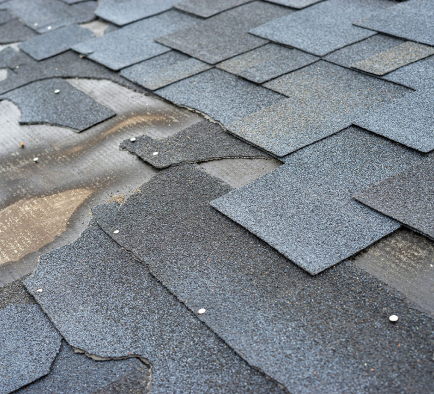
Oxford gets hit from every angle when it comes to weather. Winter brings heavy snow, prolonged freezing temperatures, and repeated cycles of thaw and refreeze that put real stress on residential roofs. Summer storms roll through with strong winds and heavy rain that can pull up shingles or compromise flashing around chimneys, dormers, and garage additions. When your roof takes a hit, the damage rarely stops at the surface. Water works its way into attic insulation, ceiling assemblies, and interior walls fast, especially during the long cold stretches when wet conditions persist for weeks at a time.
That is exactly where emergency roof tarping comes in. A properly secured tarp stops the bleeding. It keeps rain and snow out of your home while conditions, materials, and scheduling allow for permanent repairs to move forward. For older single-family homes throughout Oxford and the surrounding Oakland County area, this kind of temporary protection is often the difference between a manageable repair and a much larger problem inside your home.
Paramount Roofing has been responding to storm damage and roof emergencies across this area long enough to know how quickly Oxford's weather can change and how fast a small leak can grow. When something goes wrong with your roof, getting a tarp up correctly and securely is the first step toward protecting your home and your investment in it.
When a damaged roof needs temporary protection, the priority is containing the exposure and determining what permanent work may follow. The process begins with securing the affected area, then moves into a closer evaluation and clear next steps.
Oxford's weather puts residential roofs through a lot over the course of a year. Understanding what typically leads to emergency tarping can help you recognize a problem early and act before conditions get worse inside your home.
| Damage Type | Common Cause | Why Fast Tarping Matters |
|---|---|---|
| Ice dam leaks | Repeated temperature changes along eaves and valleys | Water backs up under shingles and enters the attic quickly |
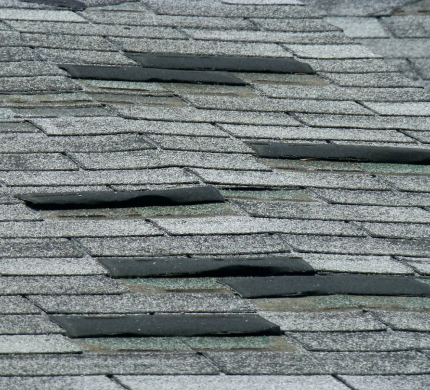
| Wind-lifted shingles | Gusts pulling shingles loose around chimneys, dormers, or additions | Open roof decking gets saturated fast in Oxford's wet seasons |
| Flashing failures | Separation at roof junctions on older homes | Gaps allow water to run directly into wall and ceiling assemblies |
| Heavy snow or ice weight | Accumulated snow pressing on aging roof sections | Added weight can make existing weak spots worse before a tarp is placed |
| Storm debris impact | Branches or large debris striking pitched roof sections | Punctures leave the roof deck exposed to immediate water entry |
Most of these situations share something in common: the longer the roof stays open, the more water reaches insulation, framing, and interior ceilings. Getting a tarp secured quickly is about stopping that progression before a focused repair turns into something much larger.
We use thick, reinforced tarps rated to handle wet and windy conditions, not lightweight poly sheeting that tears or shifts under the first strong gust. In a climate where rain and snow can follow storm damage within hours, the quality of the tarp itself makes a real difference in how well your home stays protected.
A tarp is only as good as how it’s fastened. We anchor tarps at the ridge and along roof edges using methods that keep the cover tight and in place through wind, rain, and temperature changes. Loose edges are a common failure point, and we address that before we leave your property.
We size the tarp to cover not just the visible damage but the surrounding area where water could enter if weather conditions shift. On Oxford homes with dormers, additions, or chimney junctions nearby, that extra coverage keeps water from finding a secondary path into your attic or walls.
When your roof is compromised, the work to tarp it can temporarily leave nearby areas exposed. We work carefully to protect attic openings, interior access points, and any areas directly below the damaged section so that the installation process itself does not allow additional water to enter your home.
Oxford's weather doesn't follow a predictable schedule, and neither does roof damage. A leak that starts during a late fall rainstorm can get worse fast once temperatures drop and snow follows. Getting a tarp secured correctly buys your home the time it needs before permanent repairs can be done right. That protection keeps water out of your attic insulation, ceiling framing, and interior walls, which means the repair stays focused and the costs stay manageable.
Paramount Roofing is ready to help when your roof needs immediate attention. Whether the damage happened overnight or you noticed a problem this morning, reaching out sooner gives you more options and a better outcome. If you have questions or want to get someone out to your property, we are here to help you take that next step.
Got questions about your roof? We’ve got answers. From maintenance tips to insurance claims and repair timelines, our FAQ section covers the most common concerns homeowners have. Get informed and make confident decisions about protecting your home.
Yes, and it’s something homeowners in Oxford often don't think about until we arrive on site. Snow and ice add weight, reduce traction, and can make it much harder to anchor a tarp securely along the ridge and edges. We account for that during installation to make sure the tarp holds through the next round of precipitation rather than shifting under added weight or wind.
A well-anchored, heavy-duty tarp can protect your home for several weeks to a couple of months depending on weather conditions and the size of the damaged area. That said, Oxford's year-round precipitation means tarps should be treated as temporary, not permanent. The sooner permanent repairs are scheduled, the less wear the tarp takes from repeated rain, wind, and temperature changes.
Roof junctions are the most common trouble spots, especially around chimneys, dormers, and additions where flashing can separate, or shingles can lift at transitions. Older single-family homes throughout Oxford and the broader Oakland County area tend to have multiple of these intersections, which means one storm can expose more than one vulnerable area at the same time. Knowing where those spots are on your home helps you catch problems faster after any significant storm.

#1 Top Rated
100% Satisfaction Guarantee
2100+ Projects Completed
Your Local Roofing Experts in Romeo, MI