Request Service
 Locations

- 100+ Years Of Combined Experience
- BBB Accredited With A+ Rating
- Award-Winning Roofing Company In Metro Detroit


 Free Estimate
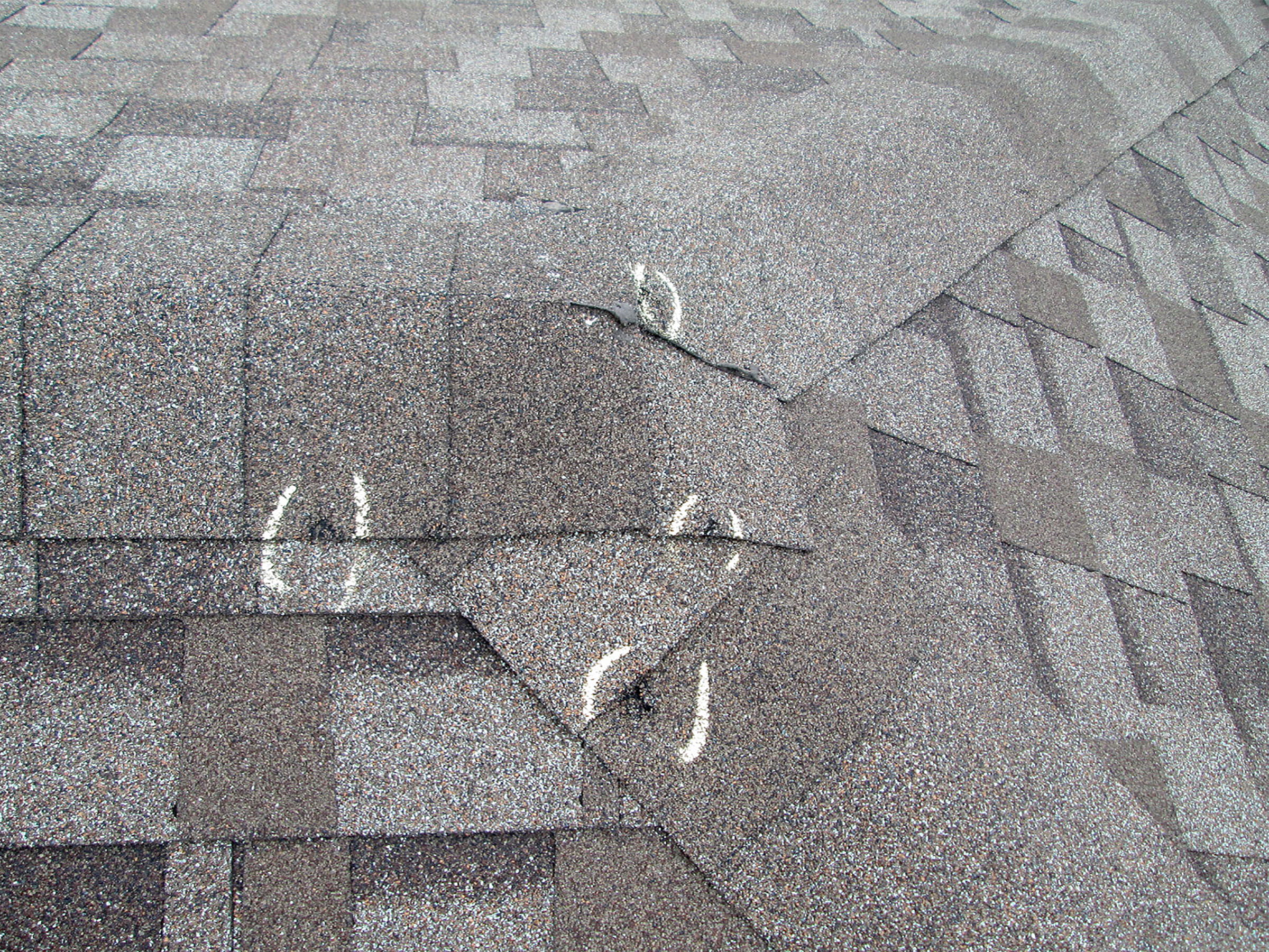
Dearborn homeowners deal with some of the most punishing storm seasons in the region. From late spring through summer, hailstorms roll through Wayne County regularly, and the storms that hit hardest often drop hail large enough to bruise shingles, knock loose granules, and leave your roof quietly leaking long before you notice a water stain on the ceiling. On older roofs, the kind that make up a large share of Dearborn's housing, even a modest hailstorm can push shingles past the point where repairs hold up. Years of temperature changes and heavy precipitation wear down the sealant and tab edges, so when hail hits, the damage spreads faster than it would on a newer roof.
That's where Paramount Roofing comes in. We work specifically in this area and understand how Michigan's weather patterns accelerate wear on standard asphalt shingle systems. After a storm, the damage isn't always obvious from the ground. Dents on your gutters, granules collecting near your downspouts, or dark patches on your shingles are often the first signs that something went wrong up top. A professional inspection gives you a clear picture of what actually happened and what your roof needs to stay protected through the next round of storms and the cold months that follow.
Storm damage can leave homeowners unsure about the condition of their roof and what repairs are actually necessary. A thorough inspection, clear explanation of the findings, and proper repair process help restore your roof with a plan based on the actual damage.
One of the most common questions homeowners have after a hailstorm is whether their roof needs a few repairs or a full replacement. The answer depends on how widespread the damage is, how old the roof is, and how much useful life it has left. Getting this right matters, because choosing the wrong path can cost you more down the road.
| Damage Scenario | Typical Outcome | Key Consideration |
|---|---|---|
| Isolated impacts on one slope | Spot repair likely sufficient | Less than 30% of that section affected |
| Widespread impacts across multiple slopes | Full replacement often needed | Consistent damage pattern across the roof |
| Roof aged 14 to 20 years with moderate damage | Replacement usually recommended | Limited useful life remaining reduces repair value |
| Ridge caps lifted, cracked, or missing | Immediate repair required | Ridge caps absorb the most direct hail impact |
Michigan's temperature changes put extra strain on aging shingles, so a roof that might hold up for years in a milder climate can be near the end of its useful life here much sooner. If your roof is approaching 15 to 20 years old and took a hard hit, repairs alone may not protect your home through the seasons ahead. A complete inspection gives you the information you need to make the right call.
When hail takes out sections of your roof, the replacement shingles need to match your existing system in weight, profile, and color as closely as possible. A mismatched repair can affect how water sheds off the roof and stands out visually, so we source materials that work with what's already up there.
Hail impacts loosen flashing around chimneys, vents, and valleys, breaking the seals that keep water out at the most vulnerable joints on your roof. We inspect and reseal any flashing that took a hit, because a repaired shingle field won't hold up if the flashing beside it’s letting water in.
Ridge caps run along the peak of your roof and absorb more direct hail impact than almost any other part of the surface. Cracked, lifted, or split caps are replaced as part of the repair, not left in place as a secondary concern, because a failed ridge cap exposes the roof deck directly to rain and temperature changes.
When shingles are removed to complete a repair, we check the underlayment beneath them for punctures or softness that hail may have caused. If the underlayment is compromised, replacing only the shingles above it leaves your home vulnerable, so any damaged sections get addressed while the roof is open.
Dearborn roofs take a beating through the warmer half of the year, and the effects of a hailstorm don't always show up right away. Shingles that look fine from the street can have hidden bruising and granule loss that shortens the roof's remaining life faster than normal wear alone would. Catching that damage early and repairing it correctly keeps your home protected and helps you avoid the kind of repair bills that come from letting small problems sit through another round of storms and temperature changes.
Paramount Roofing serves homeowners throughout Dearborn and is ready to take a look at your roof and give you a straight answer on what it needs. Whether the damage turns out to be a few isolated repairs or something more involved, you'll know exactly where things stand. Reach out when you're ready, and we'll get started.
Got questions about your roof? We’ve got answers. From maintenance tips to insurance claims and repair timelines, our FAQ section covers the most common concerns homeowners have. Get informed and make confident decisions about protecting your home.
This is one of the trickier calls to make, because aging shingles in Michigan can develop dark spots and granule loss that looks a lot like hail bruising. The clearest indicators of actual hail impact are round dents on your gutters, aluminum flashing, or painted metal surfaces like railings or garage doors. If those surfaces show fresh impact marks after a storm, there's a good chance your shingles took hits too. A close-up inspection is the only way to tell the difference with confidence.
Yes, and the threshold is lower than most homeowners expect. Quarter-size hail, around 1 inch, is large enough to knock granules loose and bruise the mat beneath the shingle surface on older roofs, even if it leaves no obvious visible crack. Hail in the 1.5 to 2 inch range can crack shingles outright and open the door to leaks. Because Dearborn sits in an area that sees multiple bad hailstorms between May and August, even storms that seem minor are worth checking out if reported hail reached that 1-inch mark.
Ridge caps sit at the highest point of your roof, which means they take hail hits at a direct angle with nothing above them to absorb the impact first. They also handle heavy wind exposure year-round, so they tend to be the first part of a standard asphalt shingle roof to show damage after a storm. A cracked or lifted ridge cap exposes the roof deck to rain and temperature changes right at the peak, which is one of the worst places for moisture to get in. If the ridge caps on your roof took a hit, addressing them quickly matters more than most homeowners realize.

#1 Top Rated
100% Satisfaction Guarantee
2100+ Projects Completed
Your Local Roofing Experts in Romeo, MI