Request Service
 Locations

- 100+ Years Of Combined Experience
- BBB Accredited With A+ Rating
- Award-Winning Roofing Company In Metro Detroit


 Free Estimate
Canton gets hit from both sides of the calendar. Winters here bring heavy snow, wind, and sharp temperature changes that can crack shingles, lift flashing, and leave gaps in your roof before you even realize something is wrong. Then spring and summer roll in with thunderstorms and steady rain that push water into any opening that was missed or ignored. With measurable precipitation spread across most of the year and snowfall totals that can climb well past 40 inches, there is rarely a long dry window to wait things out after storm damage hits your home.
That is exactly why fast tarping matters so much in this area.
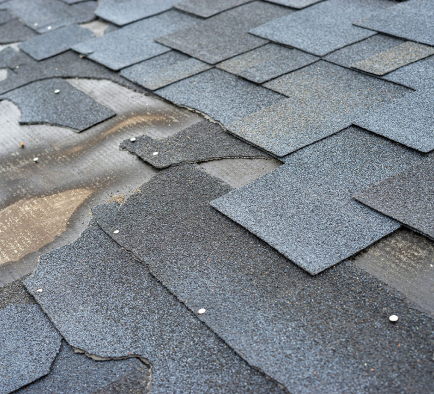
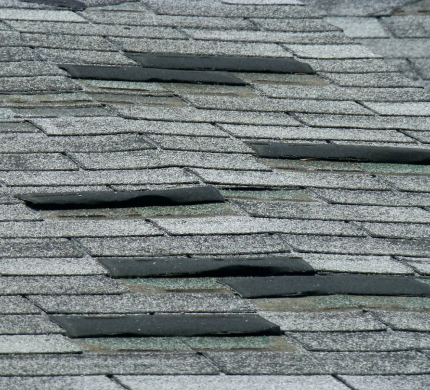
When part of your roof is open, whether from missing shingles, a lifted edge, or damaged flashing around a chimney or valley, water can move through your attic and into upper ceilings quickly. On the ranch homes, colonials, and subdivision-style houses common throughout Canton, a leak at one roof plane can spread across multiple levels and into attached garages or additions before a permanent repair is even scheduled.
Paramount Roofing works directly with Canton homeowners to get temporary roof protection in place fast, covering the damaged section properly so rain and snow cannot keep getting in while conditions and scheduling for permanent repairs are sorted out. The goal is simple: stop the damage from growing.
When a roof is exposed to the weather, the immediate priority is protecting the home while the damage is evaluated. The process starts with temporary coverage, then moves toward a permanent repair based on what the inspection reveals.
Not every roof situation calls for the same approach, and knowing where damage tends to show up on Canton-area homes helps you understand what temporary tarping is actually protecting. Ranch homes, colonials, and houses with attached garages all have spots where an open section can let water spread quickly through multiple levels before a permanent repair is in place.
| Damage Type | Common Location | Why Fast Tarping Matters |
|---|---|---|
| Missing or cracked shingles | Field of roof, ridge areas | Exposed roof decking absorbs water quickly, especially during rain or snowmelt |
| Lifted or separated flashing | Chimneys, skylights, walls | Gaps at roof-to-wall transitions let water into attic spaces and upper ceilings |
| Breached underlayment | Valleys, low-slope sections | Valleys collect runoff from multiple roof planes, increasing leak risk fast |
| Wind-lifted roof edges | Eaves, rakes, perimeter edges | Open edges allow wind-driven rain and snow to get under remaining shingles |
| Storm debris impact | Any section of the roof | Punctures and tears leave the roof deck open to repeated exposure until repairs are scheduled |
Canton's mix of wet springs, summer storms, and snowy winters means these problem areas rarely get a long dry stretch to wait out. Getting a tarp in place quickly protects your home across all seasons, not just during the worst of winter.
The tarps used on Canton roofs are thick, reinforced covers rated to hold up against wind uplift, snow weight, and repeated rain exposure, not the lightweight blue tarps you would pick up at a hardware store. That matters here because a tarp that shifts or tears during the next storm defeats the whole purpose of putting it up in the first place.
On ranch homes, colonials, and properties with attached garages, a damaged section often sits near a valley, a roof transition, or a low-slope area where standard anchoring won't hold correctly. The tarp is fastened in a way that accounts for those layout details so coverage stays tight across the full damaged area, not just the obvious center section.
Water that gets into an attic on a multi-level home can move fast, working its way down into second-floor ceilings, finished rooms, and even attached garages before you see a single drop from inside. Getting a tarp up quickly limits how far that spread can go while your home waits for the permanent repair.
Emergency tarping in Canton has to work in two very different conditions: the heavy rain and thunderstorms that roll through from late spring into early fall, and the snow, ice, and wind that show up from late fall through winter. The approach to securing and sealing a tarp shifts depending on what weather is coming next, so your temporary protection holds up through whatever follows the initial damage.
Canton's weather does not slow down between storms, and a roof opening that seems small can turn into a much bigger repair if water keeps getting in while you wait. Protecting your home now, before the next round of rain or snow arrives, is the straightforward reason temporary tarping exists. Whether damage showed up after a summer thunderstorm or a winter windstorm, getting coverage in place quickly keeps the problem contained and gives you time to plan the permanent fix without pressure.
Paramount Roofing is ready to help homeowners in this part of Michigan get their roofs covered and their homes protected until repairs are complete. If you have a damaged section and need it secured fast, reaching out sooner rather than later is the simple next step. We will take it from there.
Got questions about your roof? We’ve got answers. From maintenance tips to insurance claims and repair timelines, our FAQ section covers the most common concerns homeowners have. Get informed and make confident decisions about protecting your home.
A properly installed heavy-duty tarp, anchored correctly across the damaged section, is built to handle the kind of follow-up weather Canton sees regularly, including wind gusts, rain, and snow weight. The key difference between a tarp that holds and one that fails is how it’s secured, especially around valleys, edges, and roof transitions where uplift tends to pull first. If conditions change significantly before your repair date, we can check the tarp to make sure it’s still seated correctly.
Yes, and it’s something most homeowners do not think to ask about. In winter, snow accumulation on a tarp adds weight and can shift the covering if anchoring points are not set up to handle it, while the freeze and thaw pattern that Canton gets in late winter can work tarp edges loose over time. In warmer months, UV exposure and heat can degrade lighter materials faster than expected. A tarp is always a temporary solution, and getting the permanent repair scheduled before conditions push that window is the right call in this market.
On the ranch homes and colonials common throughout Canton, water that enters through a damaged section can travel along rafters, over attic insulation, and down interior walls before it shows up as a visible drip or stain, often in a room several feet away from the actual opening. Attached garages and additions create even more paths for water to follow before it becomes visible. This is why a complete inspection of the surrounding roof area matters after the tarp is in place, because the damage and the leak do not always line up from the inside.

#1 Top Rated
100% Satisfaction Guarantee
2100+ Projects Completed
Your Local Roofing Experts in Romeo, MI