Request Service
 Locations
- 100+ Years Of Combined Experience
- BBB Accredited With A+ Rating
- Award-Winning Roofing Company In Metro Detroit

 Free Estimate
Auburn Hills puts roofs through a full workout every single year. Winters bring around 45 inches of snowfall, and when that snow sits on your roof and begins to melt unevenly, it refreezes at the edges and forms ice dams that force water under your shingles. Spring follows with heavy rains and thunderstorms that test every seal and flashing joint on your home. Summer heat bakes asphalt shingles until they become brittle, and fall drops wind-driven leaves and debris into your gutters, trapping moisture against your roof long before the first freeze. For homeowners in this part of Oakland County, that cycle repeats without much of a break, and the roofs on many homes here, particularly those built during the 1990s development boom, are already working against the wear those years have added.
A professional residential roof inspection gives you a clear picture of where your roof actually stands before a small problem becomes an expensive one. Granules collecting in your gutters, curling shingle edges, water stains on a ceiling, or a damp attic after a storm are all early signals that deserve a trained eye, not just a glance from the driveway.
Paramount Roofing works with Auburn Hills homeowners who want honest answers about their roofs, including what needs attention now, what to monitor, and what can wait. Getting that kind of complete picture once a year, or after any significant storms, is one of the most practical things you can do to protect your home and the investment you have in it.
A professional roof inspection gives you a clear understanding of your home’s current condition and helps identify issues before they become larger concerns. Our process is designed to provide accurate findings, detailed documentation, and practical recommendations based on what your roof actually needs.
A complete residential roof inspection looks at far more than shingles. Because Auburn Hills homes face year-round stress from heavy snow, temperature changes that span well over 100 degrees annually, and summer hailstorms, the inspection needs to account for how all of those conditions wear on different parts of your roofing system together.
| Inspection Area | What We Look For | Why It Matters in Auburn Hills |
|---|---|---|
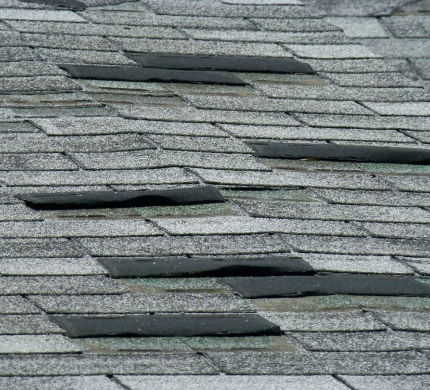
| Shingles | Curling edges, cracking, granule loss, blistering | Temperature changes and UV exposure accelerate wear on asphalt shingles here faster than in milder regions |
| Flashing | Separation, rust, failed seals at chimneys and vents | Repeated expansion and contraction from seasonal temperature swings loosen metal flashing over time |
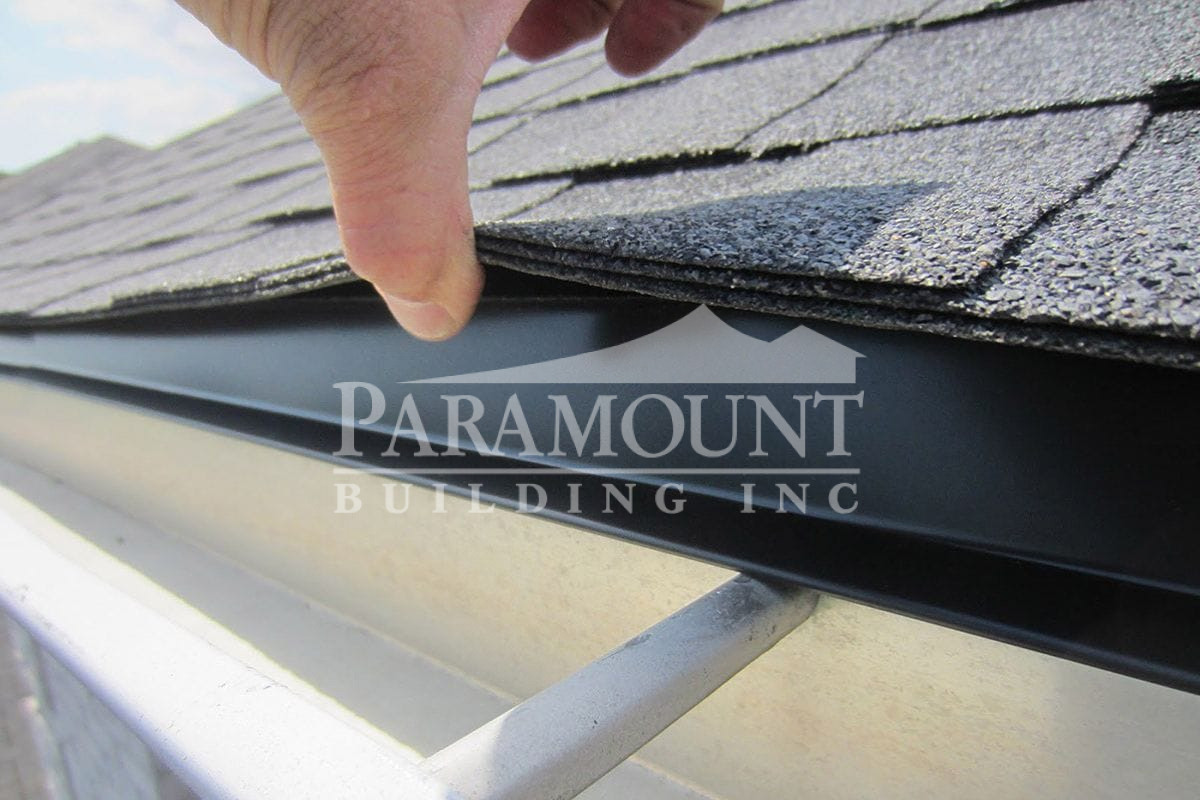
| Gutters and Valleys | Granule accumulation, debris blockages, and underlayment wear | Granules in gutters signal shingle deterioration; blocked valleys concentrate runoff and increase leak risk |
| Attic Ventilation | Blocked soffit vents, insufficient ridge vents, insulation gaps | Poor airflow is a direct contributor to ice dam formation on Auburn Hills' pitched roofs |
| Roof Gaps | Seal condition around skylights, pipes, and HVAC units | Framing shifts from temperature changes cause seals to fail, especially on older Oakland County homes |
Each of these areas connects to the others. A ventilation problem does not just affect your attic; it drives ice dams that damage shingles and stress flashing all at once. That is why a thorough inspection looks at the full picture rather than treating each part in isolation.
Rather than noting granule loss in a general sense, we track where it appears across your entire roof and look for uneven patterns. In Auburn Hills, directional wind exposure and summer hailstorms can strip granules in concentrated areas, and knowing exactly where that wear is heaviest tells us a lot about how your roof is holding up and where it's most vulnerable going into the next season.
When ice dams form along your roofline, moisture can sit trapped against wood for weeks or even months before it shows up anywhere obvious. We check eaves, rafter ends, and the surrounding wood structure for rot and deterioration because catching that kind of damage early keeps a weather problem from becoming a structural one.
We verify that your downspouts are extended far enough away from your foundation to move water clear of the structure. This matters especially in Auburn Hills, where the clay-heavy soil holds water rather than absorbing it quickly, meaning poor drainage from your gutters can create basement moisture problems that have nothing to do with your foundation itself.
Oakland County sees summer hailstorms with enough frequency that a standard annual inspection can miss damage that happened after your last scheduled check. If a significant storm has moved through your area, we look specifically for hail-induced shingle punctures and stress points that may be small now but will expand under the next round of temperature changes if left unaddressed.
Auburn Hills winters are hard on roofs, and the wear builds gradually across every season before it becomes visible inside your home. Getting your roof inspected once a year, particularly in spring after the snow clears or in fall before temperatures drop again, gives you a current, honest picture of where things stand. That kind of consistent attention is what keeps small issues from quietly growing into repairs that disrupt your budget and your home.
Paramount Roofing serves homeowners across Auburn Hills and the surrounding area and is ready to help you get a clear look at your roof's condition and talk through what, if anything, needs attention. Reach out when you're ready, and we'll take it from there.
Got questions about your roof? We’ve got answers. From maintenance tips to insurance claims and repair timelines, our FAQ section covers the most common concerns homeowners have. Get informed and make confident decisions about protecting your home.
Your attic is one of the most telling parts of the inspection because what happens up there directly affects how your roof performs through an Auburn Hills winter. Poor ventilation or insulation gaps allow heat to escape unevenly, which melts snow on the roof surface and refreezes it at the eaves, triggering ice dams before you ever see a problem inside your home. Inspecting the attic alongside the surface of the roof gives a much more complete picture of what is actually driving any damage your shingles or flashing might be showing.
Yes, and it is worth mentioning before the inspection starts. Many Auburn Hills homes built during that period are now carrying original or near-original asphalt shingles that have been through decades of temperature swings, heavy snowfall, and summer heat. Inspectors working on homes from that era pay close attention to accelerated granule loss, flashing separation at chimneys and vents, and early signs of wood deterioration at eaves, since these failure points show up more frequently on roofs with that much seasonal wear behind them.
Both factors play a role. Spring is the most practical time for most Auburn Hills homeowners because it captures any damage left behind by snow, ice dams, and the repeated temperature changes of winter before summer heat adds more stress to an already-worn surface. Fall is the second priority when clearing debris, and confirming your gutters and valleys are open becomes important before the first freeze locks everything in place. If a significant storm has moved through, that overrides the calendar entirely and warrants its own check regardless of when you last had the roof looked at.

#1 Top Rated
100% Satisfaction Guarantee
2100+ Projects Completed
Your Local Roofing Experts in Romeo, MI