Request Service
 Locations

- 100+ Years Of Combined Experience
- BBB Accredited With A+ Rating
- Award-Winning Roofing Company In Metro Detroit


 Free Estimate
Auburn Hills winters are not kind to roofs. With snowfall totaling around 40 inches or more each season and temperatures that regularly drop into the 30s, Oakland County homes take a beating from late fall through early spring. When wind lifts shingles, ice dams form along roof edges, or a sudden storm opens up your roof decking, water does not wait for convenient weather. A roof that is exposed even briefly during a wet or freezing stretch can let moisture into your attic, insulation, and ceiling before you realize there is a problem.
That is exactly why emergency roof tarping matters so much in this area. A properly installed tarp creates a temporary weather barrier over the damaged section of your roof, buying you time to schedule a permanent repair without water continuing to work its way inside. Paramount Roofing works with homeowners across Auburn Hills and the surrounding Oakland County area, and the team understands how quickly a small opening can turn into a much bigger problem when the next round of rain or snow rolls through.
Whether damage came from a windstorm, a fallen branch, or deterioration that finally gave way, getting a tarp in place quickly is the most important first step. It’s not a finished repair, but it’s the right bridge between damage and a lasting fix, especially when weather conditions or permit requirements push the full repair out by days or longer.
Roof damage can leave your home exposed before you have time to figure out the full extent of the problem. Paramount Roofing focuses first on protecting the affected area, then examines the rest of the roof and helps determine the appropriate permanent repair.
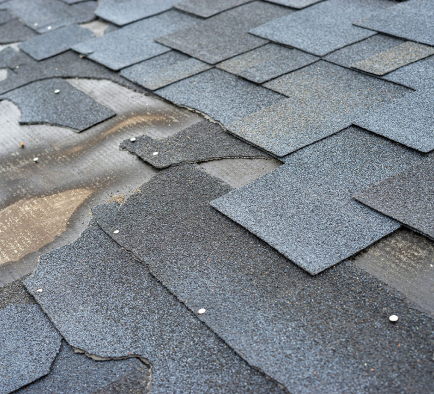
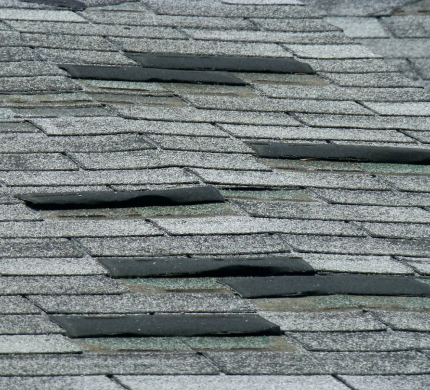
Not every roof opening looks the same, and the right tarping approach depends on what type of damage you are dealing with and how exposed your roof is. Auburn Hills homes face a wide range of damage scenarios, from lifted shingles after a wind storm to failed flashing and cracked or split roof decking from repeated temperature changes through winter and into spring.
| Damage Type | Common Cause | Tarping Priority |
|---|---|---|
| Lifted or missing shingles | High winds, aging fasteners | High, water can enter quickly |
| Exposed roof decking | Storm impact, falling debris | Urgent, roof decking absorbs moisture fast |
| Flashing failures | Temperature changes, deterioration | High, water channels directly into seams |
| Ice dam damage | Snowmelt backing up at eaves | Moderate to high depending on leaks |
Because Oakland County's weather patterns can shift quickly, a tarp needs to cover enough surface area to account for wind-driven rain, not just a direct downpour. The goal is keeping all exposed areas sealed until a permitted permanent repair can be planned and scheduled, especially for damage that falls under Auburn Hills rules requiring a permit before full repair or replacement work can begin.
Not all tarps hold up the same way under wind-driven rain and snowmelt. The tarps used are thick, waterproof, and rated to handle the kind of weather Auburn Hills sees from late fall through early spring, so you are not left with a flimsy cover that shifts or tears before your permanent repair is scheduled.
A tarp that is not properly anchored can peel back in the next storm and leave your roof just as exposed as before. The installation includes securing the tarp at the edges and across the field so it stays in place even when Oakland County winds pick up between now and your permanent repair date.
The tarp is sized to extend beyond the visible damage, not just cover the obvious opening. This matters because water does not always enter exactly where shingles are missing or where the roof decking is cracked, and a tarp that is too small can still allow leaks along its edges.
Emergency tarping often happens right after a storm, when roofs are wet, icy, or covered in debris. The crew is equipped to work safely in those conditions so you are not waiting until the weather cooperates fully before getting your home protected.
Michigan weather does not follow a convenient schedule, and roof damage rarely happens at a good time. The stretch from late fall through spring keeps Oakland County homeowners on their toes, and when something goes wrong with your roof, every day without proper coverage is another day moisture has a chance to work its way deeper into your home. Getting a tarp in place quickly protects your ceilings, insulation, and framing from the kind of damage that turns a straightforward repair into something far more involved and expensive.
If your roof has been damaged and you are not sure what to do next, Paramount Roofing is ready to help. Homeowners throughout the Auburn Hills area can count on the team to get to your property quickly, cover the exposed area properly, and walk you through your options for a permanent fix once the tarp is secured. Reach out when you are ready, and the team will take it from there.
Got questions about your roof? We’ve got answers. From maintenance tips to insurance claims and repair timelines, our FAQ section covers the most common concerns homeowners have. Get informed and make confident decisions about protecting your home.
The tarp itself is temporary and does not trigger a permit requirement, but the repair that follows might. Auburn Hills generally requires a permit for full roof replacements and major structural work, while smaller focused repairs may be exempt depending on the job’s scale. Knowing this upfront helps you plan the right sequence: tarp first to stop active exposure, then confirm what the permanent repair requires before scheduling the work.
A properly anchored, heavy-duty tarp can stay in place through winter weather, including periods of snowmelt and refreezing along the eaves. The key is how it’s installed: a tarp that is not secured past the roof edge can trap water behind it, which is the same condition that lets ice dams cause damage in the first place. Your crew should extend coverage past the damaged area and anchor it in a way that does not create new low spots where water collects.
M-59 serves as a rough dividing line for cold-climate roofing code guidance in this area, and homes north of it are subject to stricter requirements for ice-and-water shield coverage on permanent repairs. This does not change the tarping process itself, but it does affect how your follow-up repair is planned and what materials the crew needs to use when the permanent work is permitted and scheduled. It’s worth asking your contractor where your home falls and how that shapes the repair’s scale before any permanent work begins.

#1 Top Rated
100% Satisfaction Guarantee
2100+ Projects Completed
Your Local Roofing Experts in Romeo, MI