 Free Estimate
 Request Service
 Locations
Essential Factors That Determine the Best Commercial Roofing Material for Your Building

Key Points:
- When choosing a commercial roofing material, consider essential factors like local weather, durability, energy efficiency, and maintenance for optimal long-term value.
- Select materials specifically engineered for Michigan’s harsh weather, including freeze-thaw cycles and heavy snow, to ensure lasting performance.
- Prioritize energy-efficient roofing materials and professional installation to significantly reduce operation costs and extend your roofing system’s lifespan.
Choosing the right commercial roofing material represents one of the most significant decisions property owners face when protecting their investment. The selection process involves weighing multiple factors that directly impact the building’s performance, energy efficiency, and long-term durability. Things to consider when choosing a commercial roofing material extend far beyond initial appearance, encompassing structural requirements, climate conditions, and maintenance expectations.
Commercial buildings demand roofing systems that withstand decades of exposure to harsh weather conditions while maintaining structural integrity. Comparing commercial roofing materials reveals distinct advantages across different categories, from modified bitumen systems to modern single-ply membranes. Flat roofing material options have expanded significantly, offering property owners access to energy-efficient roofing materials that reduce operational expenses while enhancing building performance.
Understanding your building’s specific architectural constraints and structural requirements forms the foundation for selecting durable commercial roofing systems. Different types of commercial roofing membranes each offer unique benefits, making informed evaluations essential for avoiding expensive mistakes and ensuring optimal performance over the system’s lifespan.
Climate Resistance and Weather Performance in Michigan’s Harsh Conditions
Michigan’s extreme weather patterns create unique challenges that directly influence a commercial roofing material’s performance and longevity. Seasonal temperature fluctuations ranging from freezing winters to hot summers place tremendous stress on roofing systems, causing materials to expand and contract repeatedly throughout the year. These temperature variations can lead to membrane cracking, seam separation, and accelerated aging.
Freeze-thaw cycles present particularly demanding conditions for commercial roofing systems. Leaks followed by below-freezing temperatures create expansive forces that can damage even durable commercial roofing systems over time. Heavy snow loads during Michigan winters require materials with superior structural support capabilities, while intense summer heat exposure tests the thermal resistance of various types of commercial roofing membrane types.
When comparing commercial roofing materials to determine how they perform in harsh climates, membrane thickness, flexibility ratings, and space for thermal movement become critical selection criteria. Energy-efficient roofing materials with reflective properties help reduce thermal stress during summer, while reinforced flat roofing material options provide enhanced resistance to punctures from ice and debris. Selecting materials specifically engineered for extreme temperature ranges ensures optimal performance throughout Michigan’s challenging seasonal transitions.
The Difference in Durability and Lifespan Among Commercial Roofing Systems
The expected service life of a roofing material varies dramatically across commercial roofs. TPO and EPDM systems generally provide 20 to 25 years of reliable performance, making them popular flat roofing material options for budget-conscious property owners. Modified bitumen systems offer intermediate longevity at 15 to 20 years, combining affordability with dependable weather resistance.
Material thickness, installation quality, and maintenance frequency directly influence actual lifespan performance. Durable commercial roofing systems require proper surface preparation and professional installation to achieve manufacturer-specified longevity expectations. Energy-efficient roofing materials with reflective surfaces often outlast darker alternatives by reducing thermal stress and UV degradation over time.
Warranty terms typically correlate with material quality and expected performance duration. Premium types of commercial roofing membranes include comprehensive coverage periods ranging from 15 to 30 years, while basic systems may offer limited protection. When comparing commercial roofing materials, warranty exclusions and maintenance requirements significantly impact long-term building protection. Regular inspections and preventive maintenance extend system lifespan regardless of material selection, making ongoing care essential for maximizing roofing investment returns.
Energy Efficiency and Thermal Performance Benefits
The thermal properties of commercial roofing materials significantly impact a building’s energy consumption and operational expenses. Reflective surfaces can reduce cooling needs by up to 15% during peak summer months by deflecting solar radiation rather than absorbing heat into the building’s thermal envelope. Energy-efficient roofing materials with high solar reflectance index ratings help maintain lower surface temperatures, reducing strain on HVAC systems and extending equipment lifespan.
The ability to integrate insulation with the roofing system varies among commercial roofing membrane types, affecting overall thermal performance. Single-ply systems accommodate various insulation thicknesses. When comparing commercial roofing materials, R-values and the potential for thermal bridging to occur become essential factors for achieving optimal energy performance.
Material Options for Flat Roofs and Their Specific Applications
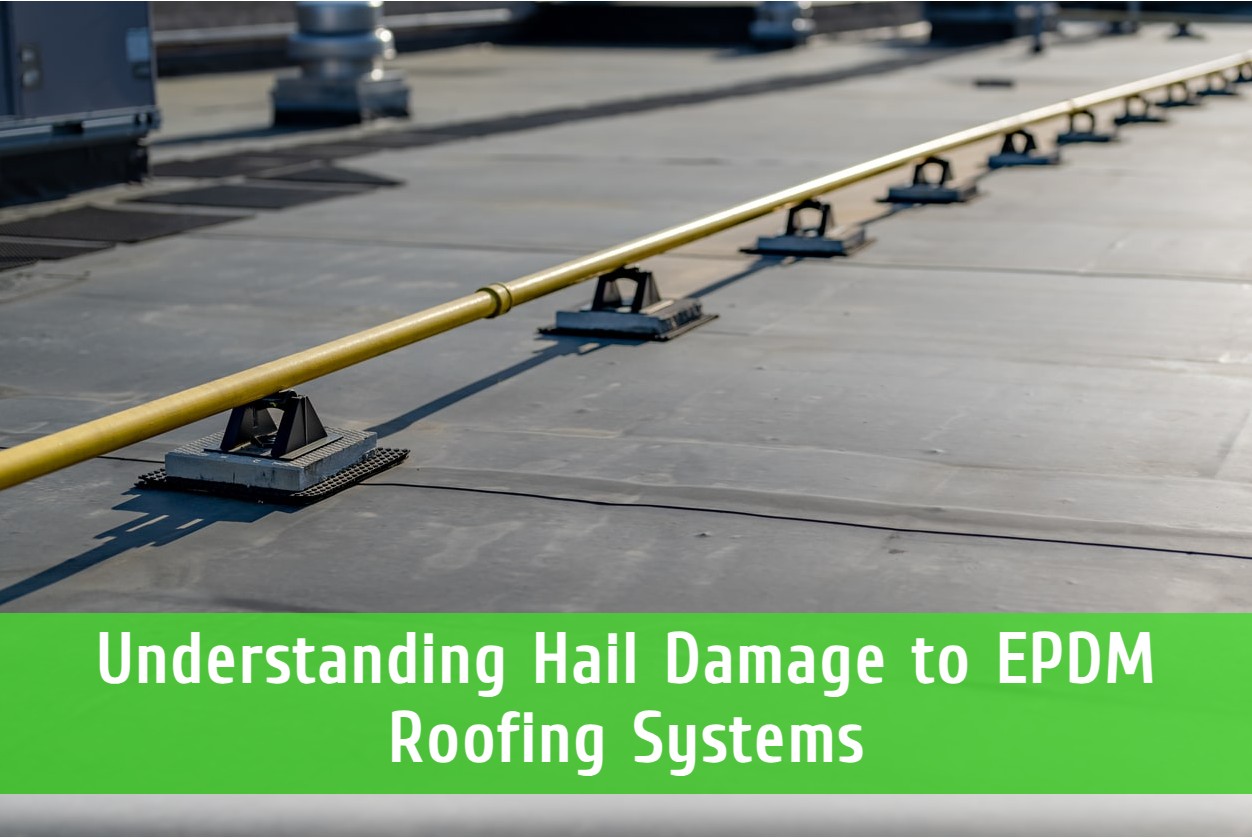
Single-ply membrane systems dominate modern commercial roofing applications due to their versatility and performance characteristics. TPO membranes excel in high-traffic environments where puncture resistance and reflectivity are priorities, making them ideal for retail centers and office buildings with frequent access to the rooftop for maintenance. EPDM rubber membranes provide exceptional longevity in low-traffic areas, particularly suited for warehouses and manufacturing facilities where minimal foot traffic occurs.
PVC membranes offer superior chemical resistance, making them essential for restaurants, laboratories, and facilities that experience grease or chemical exposure. These energy-efficient roofing materials also provide excellent weldability for complex architectural roofs with multiple penetrations or irregular shapes. When comparing commercial roofing materials, PVC systems demonstrate superior fire resistance ratings compared to other single-ply alternatives.
Modified bitumen systems bridge the gap between traditional built-up roofs and modern membranes, offering enhanced flexibility while maintaining the durability of asphalt-based systems. These durable commercial roofing systems work particularly well for industrial applications where heavy equipment or regular maintenance activities occur on the roof surface.
Maintenance Requirements and Long-Term Care Considerations
Different commercial roofing materials require varying levels of ongoing maintenance, directly affecting operational budgets and system performance over time. For example, single-ply membrane systems typically demand inspections twice a year and prompt seam repairs. Understanding these maintenance commitments helps property owners make informed decisions when comparing commercial roofing materials for their specific building.
EPDM systems need periodic cleaning and seam inspection, with typical maintenance intervals every 6 months. TPO membranes require regular debris removal and drainage system clearing to prevent ponding water issues. Types of PVC roofing membranes offer low-maintenance benefits but need professional welding repairs when damage occurs. Energy-efficient roofing materials with reflective coatings may require periodic reapplication to maintain thermal performance standards.
Establishing proper maintenance schedules extends system lifespan and prevents minor issues from developing into major problems. Durable commercial roofing systems perform at their best when drainage systems remain clear and surface debris is removed regularly. Flat roof material options benefit from professional inspections that identify potential problems before they compromise building protection. Proactive maintenance programs typically reduce long-term replacement costs while ensuring consistent weather protection throughout the system’s service life.
Installation Complexity and Professional Requirements
Professional installation becomes critical when working with specialized commercial roofing materials that require precise application techniques and certified training. Advanced types of commercial roofing membranes such as PVC and TPO systems demand heat welding capabilities that only qualified contractors possess. The complexity of these installation processes directly impacts system performance, making contractor selection as important as material choice itself.
Certain durable commercial roofing systems require manufacturer certifications before contractors can provide warranty coverage on the completed installations. These certification programs ensure installers understand proper surface preparation, seaming techniques, and quality control procedures specific to each type of material. When comparing commercial roofing materials, installation requirements often eliminate contractors who lack specialized training or equipment necessary for premium systems.
Installation quality affects long-term material performance more than any other single factor in commercial roofing applications. Improperly installed energy-efficient roofing materials lose their thermal benefits through air leaks and thermal bridging, while poorly executed flat roofing material options frequently develop premature failures at seams and penetrations. Professional installation teams bring specialized tools, training, and experience that ensures the roof performs at its best throughout the warranty period and beyond.
Discover Paramount Roofing Solutions for Michigan’s Extreme Weather
At Paramount Roofing, we specialize in providing durable, energy-efficient roofing systems tailored to withstand Detroit’s harsh weather. Our range of materials, including advanced commercial roofing membranes, ensures the best thermal performance and reduced maintenance costs.
Don’t let the Michigan weather dictate the lifespan of your commercial roof. Contact Paramount Roofing today at (586) 690-0227 to discuss your roofing needs and find the most resilient and cost-effective solution for your property.