 Free Estimate
 Request Service
 Locations
Roof Ventilation Inspection Process: What Inspectors Look For
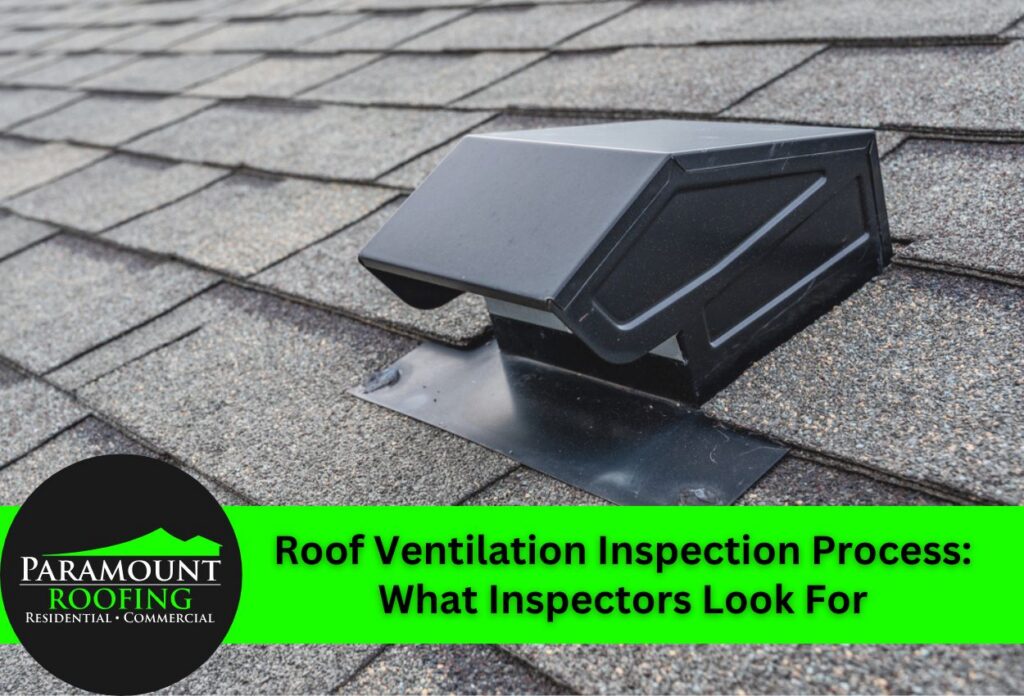

Detroit attics can swing nearly 120 degrees Fahrenheit between a cold winter night at 20 degrees and a peak summer attic temperature above 140 degrees, and that extreme range is exactly why roof ventilation inspection matters so much here. Without a working ventilation system, that heat and moisture have nowhere to go. The result is warped roof decking, mold growth, and ice dams along the eaves every winter. Learn more about Detroit Climate Summary – Temperature Extremes and how seasonal swings affect roofing systems.
A roof ventilation inspection is a structured evaluation that looks at both the exterior vents and the interior attic conditions. Inspectors check airflow paths, vent placement, insulation coverage, and signs of moisture damage. Many Detroit homes built before 1970 were never designed to meet current IRC R806.2 Minimum vent area standards, which call for 1 square foot of net free area per 150 square feet of attic floor space. Older construction often falls well short of that benchmark.
What Does a Roof Ventilation Inspector Look for During an Inspection?
A complete roof ventilation inspection covers two distinct phases: exterior and interior, and typically takes 45 to 90 minutes for a standard residential property.
Exterior Phase: What Inspectors Check Outside
- Ridge vent and soffit vent condition: Inspectors check for physical blockages, damaged screens, and paint-over obstructions that cut off airflow. Even partial vent obstruction can reduce the net free area below the IRC minimum of 1 square foot per 150 square feet of attic floor space.
- Gable vents and roof louvers: Each vent opening is measured and recorded to calculate the total net free area. The target is a balanced 50/50 intake-to-exhaust ratio, meaning intake vents and exhaust vents should each handle half the airflow load.
- Net free area calculation: Inspectors add up every vent opening across the roof and compare that total against attic square footage to confirm the system meets code requirements or falls short.
Interior Phase: What Inspectors Check in the Attic
- Airflow path and insulation blocking: Inspectors confirm that insulation has not been pushed into soffit channels, which is a common problem in Detroit homes that have had insulation blown in over the years. Even 2 to 3 inches of displaced insulation can close off an intake vent completely.
- Moisture staining and mold evidence: Dark staining on rafters or sheathing indicates past or active moisture accumulation. Mold growth often appears within 24 to 48 hours of sustained moisture exposure in warm attic conditions.
- Frost accumulation: In Detroit winters, frost buildup on the underside of roof sheathing signals that warm, humid interior air is escaping into the attic faster than ventilation can clear it.
- Thermal imaging camera scan: Detroit inspectors may use thermal imaging cameras to detect hidden moisture pockets and heat differentials invisible to the naked eye. This service typically adds $150 to $300 to a standard inspection fee but can identify problems that a visual check alone will miss.
When both phases are complete, the inspector compares findings against the 50/50 intake-to-exhaust target and IRC net free area standards. Any gap between what exists and what the attic needs becomes the starting point for repair or upgrade recommendations.
What Are the Signs of Poor Roof Ventilation in an Attic?
Six observable warning signs point to poor roof ventilation, and Detroit homeowners, especially those in pre-1960 construction, are more likely to encounter them due to undersized or blocked soffit vents that never met modern airflow standards. Knowing these signs of poor roof ventilation in an attic early can prevent damage that adds up across multiple seasons. Each warning sign below connects directly to a measurable consequence.
- Attic temperatures exceeding 150 degrees in summer: Trapped heat accelerates shingle aging and can warp the roof deck within a few seasons of repeated exposure.
- Frost or ice on attic sheathing in winter: Warm interior air escaping into an underventilated attic condenses and freezes on the sheathing, causing wood rot and structural weakening over time.
- Visible mold colonies on rafters or sheathing: Mold can establish within 24 to 48 hours of sustained moisture exposure, spreading quickly through attic materials and lowering indoor air quality.
- Curling or cupped shingles: Excessive heat and moisture trapped beneath the roof deck push shingles out of shape, shortening their lifespan and allowing leaks to form at seams.
- Ice dams at eaves exceeding 2 inches in thickness: Detroit’s December through March temperature changes allow heat escaping through a poorly ventilated attic to melt rooftop snowpack. That water runs to the cold eaves and refreezes. Water can work under shingles within 1 to 2 seasons, causing interior leaks.
- Energy bills rising 10% to 15% without a change in usage: A ventilation failure forces heating and cooling systems to work harder, and the cost increase often appears before any visible roof damage does.
Ice dam formation is the warning sign Detroit homeowners most often ignore until it causes water intrusion, and older homes with original soffit vents are the most vulnerable. If any of these signs appear, scheduling a residential roof inspection before the next winter season reduces the risk of damage that is far more expensive to repair than the inspection itself.
What Should a Roof Ventilation Inspection Checklist for Homeowners Include?
A homeowner’s roof ventilation checklist should cover 8 to 10 specific checks, split between safe DIY items and tasks that require a licensed contractor.
- Measure attic temperature during peak daylight hours: Use a basic thermometer to record the attic temperature on a warm day. Readings above 150 degrees signal a ventilation problem that needs attention before the next summer season.
- Check soffit vents for insulation blockage: Look into soffit channels from inside the attic. Even 2 to 3 inches of displaced insulation can fully close off an intake vent.
- Confirm ridge vent continuity from ground level: Walk the perimeter and look along the roof peak. Any gap in the ridge vent line breaks the exhaust path and reduces overall airflow.
- Look for daylight gaps at soffit panels: From inside the attic with lights off, visible daylight at soffit edges confirms open intake paths. No light means a possible blockage.
- Inspect gable vents for screen damage or paint-over obstruction: Damaged screens allow pest entry. Painted-over openings cut net free area below the IRC minimum of 1 square foot per 150 square feet of attic floor space.
- Look for moisture staining on rafters or sheathing: Dark streaks or discoloration indicate past or active moisture accumulation and warrant a professional follow-up.
- Check for frost on attic sheathing after cold nights: Frost buildup during Detroit winters signals warm air escaping the living space into an underventilated attic.
- Observe eaves for ice dam formation between December and March: Ice dams exceeding 2 inches in thickness mean heat is escaping through the roof deck rather than being managed by proper airflow. Detroit homeowners dealing with active ice dam damage can contact Paramount Roofing for residential storm damage roofing services.
Items 1 through 5 are safe for homeowner self-assessment at ground level or from inside the attic. Items involving roof deck access, net free area calculations, or the flashing’s structural integrity at vent gaps require a licensed contractor. Detroit’s City building code also requires a 24-hour advance notice, submitted no later than 3:30 PM, for final roof inspections on permitted work, so confirm with any contractor whether their inspection is tied to an open permit before scheduling.
How Often Should Roof Ventilation Be Inspected in Michigan’s Climate?
Michigan homeowners should schedule roof ventilation inspections at least once per year and twice per year for homes 30+ years old, with post-storm checks added after major ice dam, hail, or wind storm.
| Inspection Scenario | Recommended Frequency | Best Timing | Estimated Cost Range |
|---|---|---|---|
| Standard annual maintenance | Once per year | April to May (post-winter) | $150 to $250 |
| After a major storm | Within 2 to 4 weeks of the storm | Following ice dam, hail, or wind damage | $200 to $350 |
| Older homes (30+ years old) | Twice per year | Spring and fall | $300 to $500 |
Scheduling an inspection in April or May is the smartest move for Detroit homeowners. Michigan’s peak roofing season runs late spring through early fall, so booking early beats the contractor backlog that builds after summer storm damage. Most shingle warranties in the 25 to 50 year range require documented evidence of regular maintenance inspections to support any premature failure claim.
Skipping inspections can void coverage at exactly the moment a homeowner needs it most. Older Detroit homes that fall short of the IRC minimum of 1 square foot of net free area per 150 square feet of attic floor space benefit most from the twice-yearly schedule.
What Does It Cost to Inspect and Fix Roof Ventilation Problems and What’s the ROI?
A professional ventilation inspection starts at $150 to $350, but the problems it can prevent carry avoided repair costs ranging from $1,500 to $15,000, making it one of the highest-return maintenance decisions a homeowner can make.
| Scenario | Cost Range | What’s Included | Problem Prevented | Avoided Repair Cost |
|---|---|---|---|---|
| Professional inspection only | $150 to $350 | Full attic and exterior assessment | Ice dam water damage | $2,000 to $10,000 |
| Inspection plus minor repair | $350 to $700 | Clearing blocked soffit vents or replacing a damaged ridge vent cap | Premature shingle replacement | $5,000 to $15,000 |
| Full ventilation system correction | $1,200 to $3,500 | Adding soffit and ridge vent capacity to meet IRC ratios | Attic mold remediation | $1,500 to $6,000 |
Proper attic ventilation can extend asphalt shingle lifespan by 5 to 10 years beyond the baseline 20 to 25 year expectancy, representing $5,000 to $15,000 in deferred replacement cost on a typical Detroit residential roof. That math alone makes even the most involved correction worth the investment. Homeowners managing larger correction projects may want to explore roofing financing options to spread the cost of a full ventilation system upgrade.
Homeowners who document regular ventilation inspections may also reduce insurance claim disputes related to moisture damage, since some Michigan insurers require proof of maintenance before approving attic mold or structural damage claims. Keeping inspection records on file costs nothing and can make a real difference if a claim is ever challenged.
Ready to Schedule a Roof Ventilation Inspection in Detroit?
Catching a ventilation problem now before ice dams cause $2,000 to $10,000 in water damage or attic mold forces a $1,500 to $6,000 remediation is exactly the kind of repair bill a single inspection can help Detroit homeowners avoid. April and May are the best months to book, before peak-season contractor scheduling fills up across the metro area.
Paramount Roofing serves Detroit homeowners with professional roof ventilation inspections built around Michigan’s specific seasonal risks from summer heat buildup to December through March ice dam formation. Don’t wait until visible damage appears to act.
Schedule a roof inspection today.
Not ready to schedule? Learn more about roof ventilation inspections.