 Free Estimate
 Request Service
 Locations
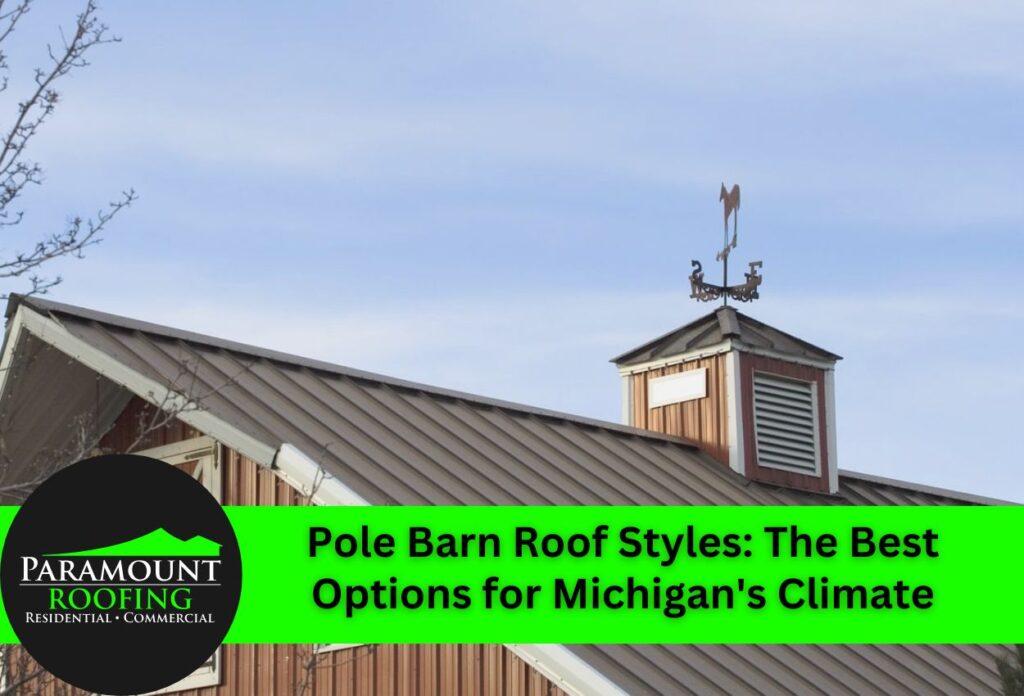
Selecting the perfect pole barn roof style is an important decision for Michigan property owners facing harsh winters, heavy snowfall, and rapid temperature fluctuations. The roof design you choose affects not only how your pole barn looks but also how it performs during bad weather common throughout Detroit and the surrounding areas. With multiple pole barn roof styles available, each giving its own upsides, making an informed choice becomes essential for long-term satisfaction.
Different roof designs, from gable to gambrel, provide varying degrees of weather protection, interior space utilization, and curb appeal. Metal pole barn roof designs have gained popularity for their durability in our area’s winter weather, and matching that durability with the right pole barn pitch option for your structure can help your roof’s snow and rain runoff ability. The right combination of pole barn roofing materials and insulation can dramatically impact energy efficiency and interior comfort year-round.
Michigan’s climate needs a roofing solution that can withstand freezing temperatures, heavy snow loads, and summer heat. Local roofing professionals understand these regional challenges and can recommend pole barn roof styles that balance look preferences with practical performance. By understanding the pros and cons of each roof style, property owners can make a choice that will provide decades of reliable protection while complementing their property’s overall appearance.
Traditional Gable vs. Gambrel Roof Designs
When comparing pole barn roof styles in Michigan, two designs frequently stand out: the traditional gable roof and the spacious gambrel roof.
Gable roofs feature the classic A-frame design with two sloped sides meeting at a center ridge. This straightforward design remains popular for its simplicity, cost-effectiveness, and excellent water-shedding capabilities. During Michigan winters, the steep pitch of a properly designed gable roof allows snow to slide off naturally, reducing the weight on the structure.
Gambrel roofs, recognizable by their barn-style appearance, incorporate two different slopes on each side of the ridge. The upper slope has a gentler pitch while the lower slope descends more steeply. This design increases usable interior space, making it ideal for property owners who need additional storage in the upper portion of their pole barn. The added headroom comes without increasing the overall height of the building.
Both designs can be adapted to better handle the weight of snow on your structure’s roof. Gambrel roofs typically require additional structural support, while gable roofs generally provide superior water runoff efficiency due to their consistent slope angle. Metal pole barn roof designs work exceptionally well with both styles, offering durability against our region’s harsh elements.
Metal Roofing Options for Modern Pole Barns
Metal roofing systems have become the gold standard for pole barns across the Detroit area, offering exceptional durability against Michigan’s harsh weather. Steel panels remain the most popular choice, providing excellent strength and longevity with proper galvanized or galvalume coatings that resist rust and corrosion. Aluminum options, while typically more expensive, offer superior corrosion resistance, an important consideration for properties near Lake St. Clair or other waterways. Metal shingles provide another alternative, combining the traditional appearance of asphalt shingles with metal’s tougher performance.
Today’s metal pole barn roof designs go far beyond the standard corrugated panels of the past. Modern options include standing seam profiles that eliminate exposed fasteners, ribbed panels offering enhanced structural integrity, and various textured finishes mimicking other materials. Color choices have expanded dramatically, with manufacturers offering everything from earth tones that blend with natural surroundings to reflective cool-roof options that reduce summer heat absorption.
The finish quality of metal roofing systems impacts both appearance and performance. Premium paint systems with PVDF coatings, like Kynar 500® or Hylar 5000® PVDF resin-based finish, offer superior color retention and chalk resistance compared to standard polyester finishes. For Detroit property owners, selecting metal roofing systems with proper underlayment and insulation systems can dramatically improve energy efficiency while ensuring decades of weather-tight protection against snow, ice, and rain.
Understanding Roof Pitch: Finding the Optimal Angle
Roof pitch is an important factor that directly affects your pole barn’s performance in Michigan’s challenging climate. The pitch, expressed as a ratio of vertical rise to horizontal run (like 4:12), determines how effectively your roof sheds water, snow, and resists wind. In Detroit’s climate, where annual snowfall often exceeds 40 inches, selecting the proper pitch is essential for structural integrity and longevity.
For Michigan pole barns, experts typically recommend a minimum 4:12 pitch to handle seasonal snow loads efficiently. This moderate slope allows snow to slide off naturally before accumulating to dangerous weights. Steeper pitches of 6:12 or greater provide even better drainage and snow-shedding capabilities, particularly valuable for larger structures where snow weight becomes more significant. However, very steep pitches may increase wind resistance and construction costs.
When determining the ideal pitch for your pole barn, consider both function and location. Agricultural buildings storing heavy equipment would benefit from the higher ceiling that steeper pitches provide, while workshops or residential-style pole barns might prioritize the roof’s look alongside existing structures. Local building codes in Detroit and surrounding counties often specify minimum pitch requirements based on regional weather and expected snowfall. Consulting with an experienced roofing contractor familiar with your area ensures your pole barn roof not only meets code requirements but also provides the best performance throughout our diverse seasons.
Alternative Roof Styles: Monoslope, Hipped, and Clerestory Designs
Beyond traditional gable and gambrel designs, several alternative roof styles offer unique advantages for specialized pole barn applications throughout Michigan. Monoslope (or single-slope) roofs feature a single plane that slopes in one direction, creating a modern, minimalist appearance. This design excels in areas with heavy precipitation as it efficiently channels water and snow off the high side. For Detroit area property owners with limited space, monoslope designs allow for better placement against existing structures while benefiting from the higher ceiling.
Hipped roofs, with slopes on all four sides meeting at a ridge or point, give stability against Michigan’s strong winds. The slope on all sides creates a more balanced weight distribution, making hipped designs particularly valuable in open rural areas. Though more complex to construct than standard gable roofs, they offer the best protection during severe weather that frequently affects southeast Michigan.
Clerestory roof designs incorporate vertical windows into an offset roof, allowing plenty of natural light into your pole barn. This feature is helpful for workshops, artist studios, and livestock facilities where consistent daylight can reduce your electricity bill. The raised section also creates natural ventilation, helping regulate temperature and humidity in agricultural applications. When paired with quality metal roofing materials and proper insulation, these specialized designs combine aesthetic appeal with practical performance for Michigan’s diverse climate challenges.
Insulation for Energy-Efficient Pole Barn Roofs
Proper insulation is essential for pole barn roofs in Michigan, where temperature extremes can significantly impact energy costs and interior comfort. Several insulation options exist, designed for pole barn applications, each with its own advantages.
Spray foam insulation provides excellent coverage by expanding in irregular spaces and creating an airtight seal, making it effective for preventing heat loss during Detroit’s frigid winters. Rigid foam board offers high R-values in minimal thickness and can be installed directly against metal roofing panels to create a thermal break.
Reflective barriers work by reflecting radiant heat, keeping interiors cooler in summer and bouncing heat back in winter. These systems are often combined with traditional insulation for maximum efficiency. Blown-in options like cellulose or fiberglass provide excellent coverage in pole barns with finished ceilings and are particularly effective at filling odd-shaped spaces.
Preventing condensation remains a priority with metal pole barn roofs. Insulation and ventilation for metal roof systems are incredibly important in winter. When the warmer air from inside mixes with the cold metal, it makes condensation that can lead right to rust, mold, and deteriorated insulation. For heated spaces, it’s recommended that higher R-values (R30 to R60) be used for Michigan’s climate zone, while unheated storage areas may function adequately with lower values. Regardless of your pole barn’s purpose, incorporating ridge vents, soffit vents, or mechanical ventilation systems gives the needed airflow to prevent moisture buildup while maintaining energy efficiency year-round.
Professional Installation vs. DIY: Making the Right Choice for Your Pole Barn Roof
While the DIY approach is tempting for many pole barn projects, your skill level, the complexity of the chosen design, and safety factors play into the ease of installation. Generally, simple metal panel installations on smaller structures with standard gable roofs may be manageable for experienced DIYers with proper equipment and help. These straightforward pole barn roof styles involve relatively simple cutting and fastening techniques that handy homeowners can get down with research and preparation.
More complex designs need professional expertise. Gambrel roofs (with their dual-pitch design), insulated pole barn roof systems requiring precise vapor barrier installation, and standing seam metal roofing systems all benefit from professional installation. Professionals know how to handle larger structures that present significant challenges in terms of safety and the correct alignment of beams and structural supports. Even with simpler designs, proper flashing installation around vents, chimneys, and transitions requires specialized knowledge to prevent leaks.
When trying to find professionals in the Detroit area, look for contractors with specific pole barn roofing experience, not just general roofing credentials. Ask potential contractors about their experience with your chosen roof style, references from similar projects, and check for the proper licensing and insurance. While professional installation is an additional expense, the long-term performance and reduced risk of expensive mistakes often make it the wiser choice for most pole barn roofing projects.
Expert Pole Barn Roof Installation with Paramount Roofing
Choosing the right roof style for your pole barn in Michigan is important due to our diverse climate. At Paramount Roofing, we specialize in a variety of durable and visually pleasing pole barn roof styles designed specifically for Michigan’s weather. Whether you’re considering the classic gable roof, the more complex gambrel design, or another style to fit your property, our team ensures that your roofing choice not only meets its functional needs but also boosts the overall value of your property.
Don’t let the harsh Michigan winters compromise your pole barn’s structural integrity. Go for professional installation with Paramount Roofing. Our expertise in metal roofing options and insulated systems guarantees energy efficiency and durability against the elements. Ready to make the right choice for your pole barn roof? Call us today at (586) 690-0227 to discuss your project and find the perfect roofing solution tailored to your needs.
Related Articles
-
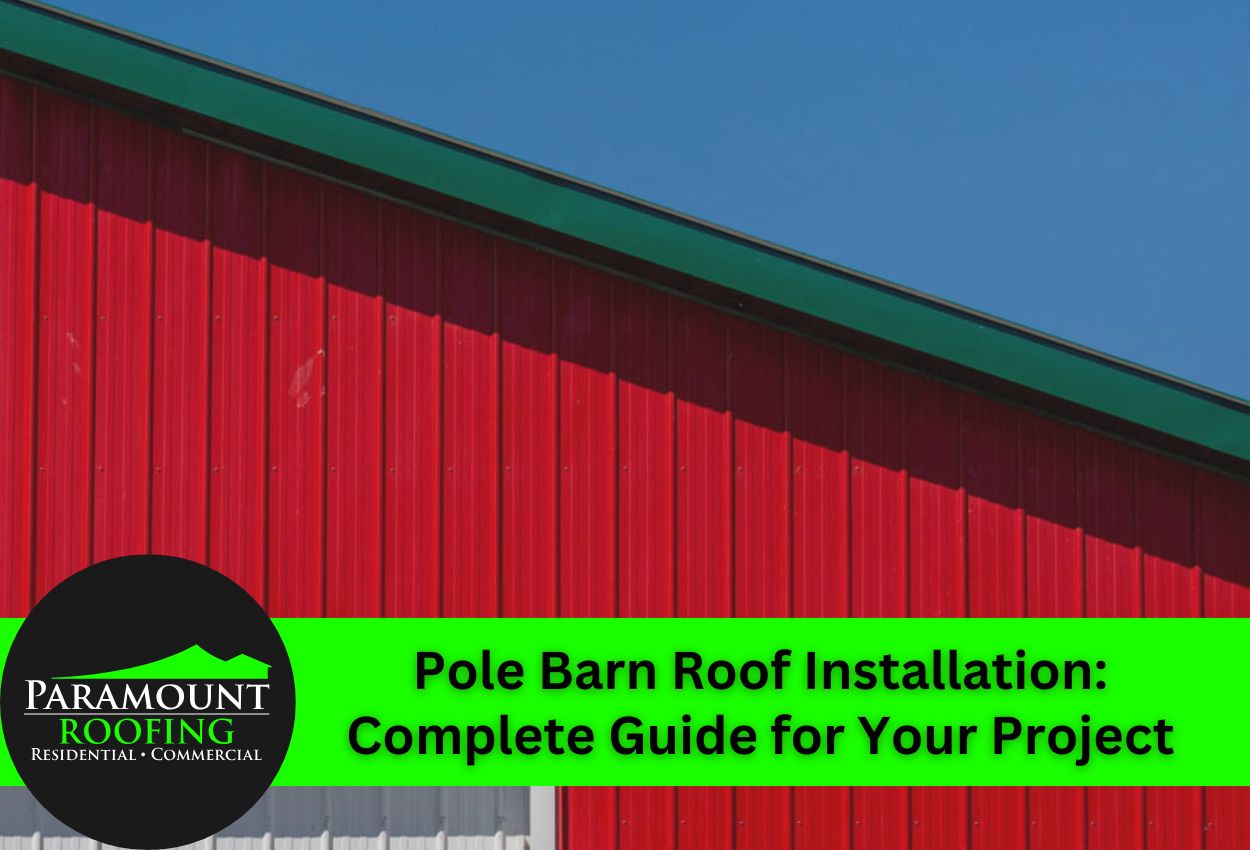 June 3, 2026Pole Barn Roof Installation: A Complete Guide for Your ProjectPlanning a pole barn roof? Get expert guidance on materials, pitch, spacing, costs, and installation to build with confidence.
 -
 August 31, 2026A Complete Homeowner’s Guide to Siding Services in DetroitExplore Detroit siding options, costs, and climate-smart choices. Get a free estimate today.
 -
 August 12, 2026Everything You Need to Know About Residential Roofing in Detroit: A Complete Homeowner’s GuideDetroit homeowners deal with one of the harder roofing environments in the Midwest: temperature swings of 50+ degrees Fahrenheit between seasons, heavy snow loads averaging 40 to 50 inches per year, lake-effect moisture, and a housing market where many homes are 70 to 100+ years old. Those conditions combine to create real roofing problems: ice […]
Protect Your Home with Expert Roofing
Don’t wait for leaks or storm damage to cause costly repairs. Our experienced roofing team provides fast, reliable service, high-quality materials, and lasting results. Ensure your home stays safe, secure, and looking great—contact us today for a free estimate.