 Free Estimate
 Request Service
 Locations
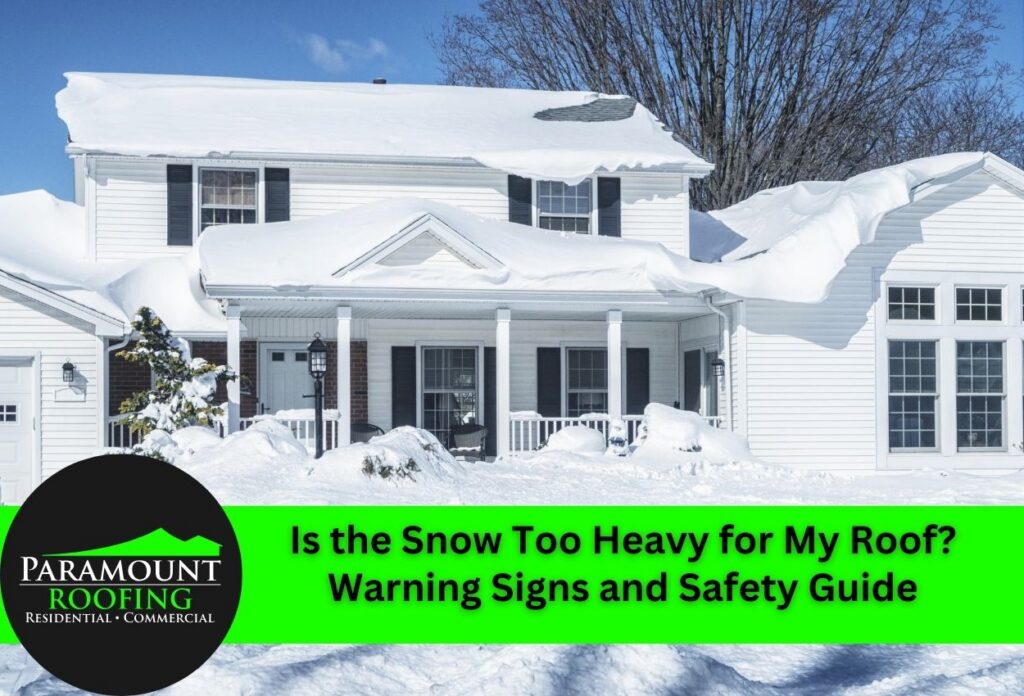
Is the Snow Too Heavy for My Roof? Warning Signs and Safety Guide
Key Points:
- Recognize warning signs like sagging or cracks to assess if snow is too heavy for your roof, indicating structural risk.
- Look for interior signs like ceiling cracks or sticking doors, and exterior roof sagging, which signal dangerous snow accumulation.
- Safely remove snow with a roof rake for lower areas, or call professionals for heavy loads or visible signs of roof stress.
Heavy snow accumulation poses a serious threat to residential and commercial buildings throughout Michigan. When homeowners ask, “Is the snow too heavy for my roof?” they’re addressing a critical safety concern that requires immediate attention. Most residential roofs are designed to handle 20 pounds per square foot of snow load capacity, but excessive accumulation can quickly exceed these limits.
Roof collapse from snow weight occurs when the structural load exceeds the building’s design specifications. Fresh snow typically weighs 10 to 12 pounds per cubic foot, while wet, compacted snow can reach 20 pounds or more. Ice formations add even greater stress to the roofing systems. Understanding how much snow your roof can handle depends on factors including roof age, design, and current structural condition.
Recognizing signs of roof stress from snow becomes essential during severe winter weather. Visible sagging, cracking sounds, or interior ceiling cracks indicate potential structural compromise. Removing snow from the roof safely requires proper techniques and equipment to prevent injury while protecting the surface of the roof from damage during the removal process.
How Much Snow Weight Can Your Roof Actually Support?
Understanding your roof’s snow load capacity requires knowing the building codes that govern structural requirements. Most residential roofs in Michigan are designed to support 20-40 pounds per square foot, but this varies significantly based on construction era and local building standards. Older homes may have lower capacity ratings, while newer constructions typically meet current code requirements for heavy snow loads.
Several factors directly impact how much snow a roof can handle safely. Roof pitch plays a crucial role, as steeper slopes naturally shed snow more effectively than flat or low-pitched surfaces. Construction materials also matter. Timber frame roofs may have different load capacities than steel or engineered lumber systems. The age of your structure affects its ability to bear weight, especially if previous maintenance has been deferred or structural modifications have altered original load-bearing capabilities.
Signs of roof stress from snow include visible sagging between rafters, cracking sounds from the structure, doors or windows that suddenly stick, and interior wall or ceiling cracks. When these warning signs appear, removing snow from the roof safely becomes an immediate priority to prevent potential roof collapse from snow weight and protect your property investment.
Critical Warning Signs Your Roof Is Struggling Under Snow Weight
When excessive snow accumulates on roofing systems, buildings exhibit specific warning signs that indicate dangerous stress levels. Interior indicators often appear first, including visible sagging in ceilings, new cracks developing in walls or ceiling surfaces, and doors or windows that suddenly stick or refuse to close properly. Unusual creaking or groaning sounds from the structure signal that the roof is struggling with snow load capacity beyond safe limits.
Exterior visual cues provide additional evidence of dangerous snow accumulation that homeowners can safely observe from ground level. Visible roof sagging becomes apparent when viewing the roofline from a distance, particularly noticeable along the ridge or between support points. Ice dam formation along gutters and eaves indicates problematic snow buildup that adds significant weight to roof structures. Structural deformation, such as bowed walls or misaligned architectural elements, suggests the building is experiencing stress from excessive snow weight.
These signs of roof stress from snow require immediate evaluation to prevent roof collapse from snow weight. Property owners should monitor these indicators throughout winter storms and take action when warning signs appear, including professional assessment of how much snowthe roof can handle safely and proper removal of snow from the roof safely procedures when necessary.
Different Types of Snow and Their Impact on Roof Load
Snow density varies dramatically depending on weather conditions, creating vastly different load impacts on roof structures. Fresh powder snow typically weighs only 6-8 pounds per cubic foot, while wet, heavy snow can exceed 20 pounds per cubic foot – more than tripling the roof load capacity requirements. Temperature fluctuations common in Michigan winters transform light, fluffy snow into dense, compacted masses that significantly increase structural stress on roofing systems.
Ice accumulation creates the most dangerous loading conditions for residential and commercial buildings. Solid ice weighs a lot, making even modest ice buildup extraordinarily heavy. Freeze-thaw cycles repeatedly melt and refreeze accumulated snow, creating layered ice formations that add tremendous weight while blocking natural drainage systems.
Understanding these varying snow conditions helps property owners assess when removing snow from the roof safely becomes necessary. Signs of roof stress from snow become more critical when wet snow or ice accumulation is present, as these conditions can rapidly exceed safe load limits and potentially cause roof collapse from snow weight even with seemingly modest accumulation depths.
Safe Methods for Removing Excess Snow From Your Roof
Removing snow from the roof safely requires proper equipment and techniques to protect both personal safety and the roof’s structural integrity. Roof rakes designed specifically for snow removal allow homeowners to clear accumulation while remaining safely on the ground. These tools feature telescoping handles that extend 15 to 20 feet, enabling effective snow removal from single-story homes and the lower portions of two-story structures without requiring ladder access.
Proper roof rake technique involves pulling snow straight down rather than scraping along the surface of the roof to prevent shingle damage. Work systematically from one end to the other, removing snow in manageable sections rather than attempting to clear the entire roof at once. Avoid using metal tools or sharp implements that could puncture roofing materials. Focus on removing snow near roof edges and gutters where ice dams typically form, as this reduces overall snow load capacity stress while maintaining drainage pathways.
Professional snow removal services become necessary when accumulation exceeds safe DIY removal limits or when ice formations create hazardous conditions. Situations requiring immediate professional intervention include signs of roof stress from snow, accumulation depths exceeding 12 inches of wet snow or 24 inches of dry snow, and when homeowners cannot safely access affected areas from ground level using appropriate removal equipment.
Emergency Steps When Your Roof Shows Signs of Snow Stress
When warning signs of excessive snow load capacity become apparent, immediate action protects both property and personal safety. The priority involves evacuating any areas directly beneath visible stress points, including rooms where ceiling sagging or cracking sounds originate. Move family members and pets away from these danger zones until a professional assessment can determine structural integrity. Signs of roof stress from snow require treating the situation as potentially dangerous, even if collapse seems unlikely.
Temporary interior precautions help minimize damage while waiting for professional evaluation or snow removal services. Place buckets or tarps beneath any areas showing ceiling stress or minor leaks that may develop. Remove valuable items from rooms showing structural warning signs. Avoid placing additional weight on upper floors when possible, as this adds to the existing stress on the roof.
Documentation becomes essential for insurance purposes when a roof collapse from snow weight appears imminent or minor damage occurs. Photograph all visible signs of structural stress, including ceiling cracks, sagging areas, and exterior roof deformation visible from ground level. Record dates, times, and weather conditions when symptoms first appeared. This documentation proves invaluable during insurance claims processes while demonstrating the urgent need for removing snow from the roof safely through professional intervention.
Preventing Future Snow Weight Problems on Your Roof
Proactive measures significantly reduce the risk of snow-related structural problems before dangerous accumulations threaten your roof’s safety. Structural improvements enhance your roof’s snow load capacity through targeted reinforcements and material upgrades designed for harsh winter conditions. Support beam reinforcement increases the overall weight-bearing capability, while upgrading to engineered lumber or steel components provides superior strength compared to older construction materials that may not meet current standards.
Regular maintenance practices create the foundation for better snow load management throughout winter. Proper insulation prevents ice dam formation by maintaining consistent roof temperatures, while clean gutters and downspouts allow proper drainage when snow begins melting. Annual structural inspections identify potential weaknesses before they become critical failures, ensuring your roof can handle expected snow loads without developing signs of roof stress from snow.
Seasonal preparations help homeowners understand how much snow the roof can handle while establishing protocols for removing snow from the roof safely when necessary. Installing snow guards prevents dangerous sliding snow conditions, while roof rake accessibility ensures quick response capability during heavy accumulation periods. These preventive strategies work together to minimize the risk of roof collapse from snow weight while extending the lifespan of roofing systems exposed to Michigan’s challenging winter weather patterns.
Is Your Roof at Risk? Understanding Snow Load Dangers in Detroit Winters
As winter progresses in Detroit, the weight of snow accumulating on your roof can pose significant risks. Paramount Roofing understands the critical nature of maintaining the roof’s structural integrity during harsh winter conditions. If you notice sagging ceilings, cracks in your walls, or doors that won’t close properly, these could be signs that your roof is under too much stress from snow weight. Don’t wait for the situation to get worse, risking severe damage or a potential collapse.
Are you concerned about how much snow your roof can handle? It’s crucial to act swiftly to prevent any damage. Call Paramount Roofing now at (586) 690-0227 for a professional roof assessment and ensure your home stays safe and secure throughout the snowy season. Our experts are ready to assist you with any necessary repairs or snow removal to safeguard your roof against the weight of winter snow.