 Free Estimate
 Request Service
 Locations
Key Points:
- Yes, a roof coating is worth it for extending lifespan, improving energy efficiency, and protecting against weather, often delaying expensive replacement.
- Coatings provide energy efficiency and weather protection; acrylic, silicone, or polyurethane options are chosen based on roof type and climate.
- Expect 10 to 20 years of longevity from coatings, offering less disruption and a faster ROI compared to full roof replacement.
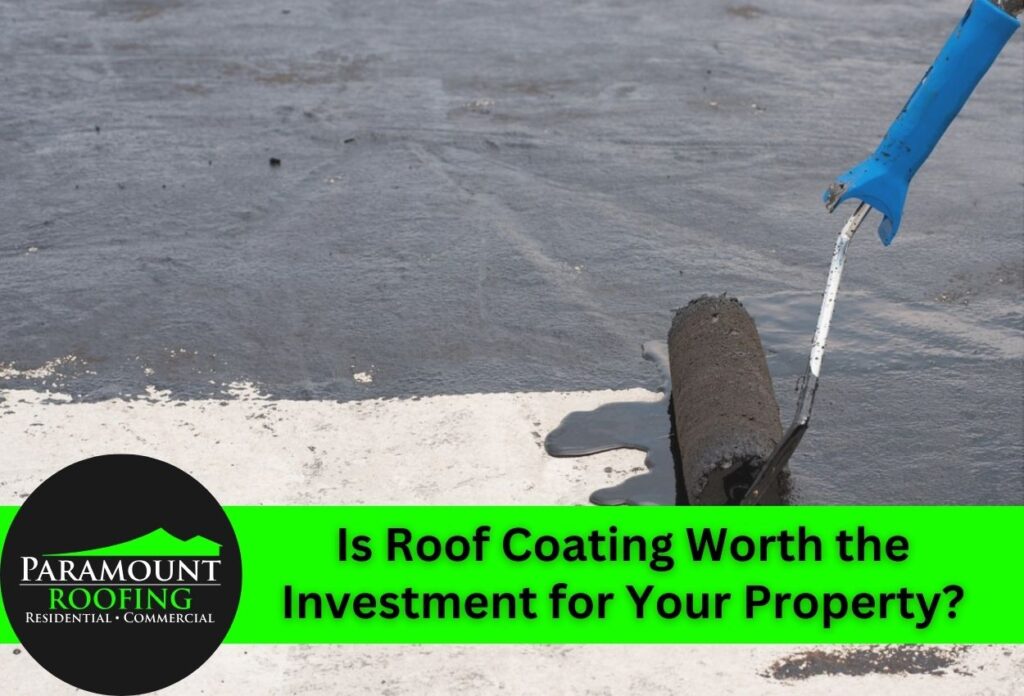
Roof coating represents a protective solution that can significantly extend the lifespan of existing roofing systems while addressing common deterioration issues. This liquid-applied membrane creates a seamless barrier over your current roof, providing enhanced protection against weather damage, UV rays, and thermal cycling that typically leads to expensive repairs.
Property owners frequently question whether roof coating benefits justify the investment compared to complete roof replacement. The answer depends on several factors, including the current condition of your roof, the types of roof coatings available, and your long-term property goals. Roof coating longevity typically ranges from 10 to 20 years with proper application and maintenance.
The roof coating vs. replacement debate centers on immediate costs versus long-term value. While replacement involves significant expense and disruption, coating applications offer a more affordable alternative that can restore roof performance and energy efficiency. Commercial roof coating applications have proven particularly effective for large-scale properties seeking cost-effective maintenance solutions that minimize business interruption while maximizing return on investment.
Key Advantages That Make Roof Coating a Smart Choice
Roof coating benefits extend far beyond basic protection, offering property owners substantial energy efficiency improvements through advanced reflective properties. These specialized coatings reflect sunlight and reduce heat absorption, which directly translates to lower cooling costs during spring and summer. The enhanced thermal performance creates more comfortable indoor environments while reducing strain on HVAC systems.
Weather protection stands as another compelling advantage, particularly relevant for properties facing Michigan’s challenging climate conditions. Quality roof coatings provide exceptional waterproofing capabilities that seal minor cracks and prevent leaks. The UV resistance properties protect underlying roofing materials from sun damage that typically accelerates deterioration over time.
Types of roof coatings include elastomeric, silicone, and acrylic, each offering specific protective qualities against wind, rain, snow, and temperature fluctuations. This enhanced durability helps property owners avoid frequent repair expenses while maintaining structural integrity. The seamless application creates a monolithic barrier that adapts to thermal expansion and contraction, addressing common failure points found in traditional roofing systems.
Exploring Different Roof Coating Materials
Understanding the types of roof coatings available helps property owners make informed decisions about protective solutions that match their specific needs. Acrylic coatings offer excellent UV resistance and breathability, making them ideal for dry climates and roofs requiring moisture vapor transmission. These water-based formulas provide strong adhesion to various roof decks while maintaining flexibility throughout temperature changes.
Silicone coatings excel in areas with heavy rainfall or ponding water issues, delivering superior waterproofing capabilities that make them particularly effective for low-slope commercial applications. Their exceptional weathering resistance and dirt pickup resistance contribute to extended roof coating longevity with minimal maintenance requirements.
Polyurethane options provide outstanding durability and impact resistance, particularly valuable for roofs experiencing foot traffic or potential physical damage. The choice between coatings should consider existing roof materials, local weather patterns, and performance expectations. Proper matching ensures the best possible adhesion and long-term effectiveness, maximizing roof coating benefits while addressing specific environmental challenges that affect coating performance and service life.
How Long Roof Coatings Actually Last in Real-World Conditions
Roof coating longevity varies significantly based on coating type, application quality, and environmental exposure conditions. Acrylic coatings typically provide 10 to 15 years of effective protection, while silicone often exceeds 20 years with proper maintenance. Polyurethane coatings generally fall between these ranges, offering 12 to 18 years of reliable performance under normal conditions.
Several factors influence actual coating durability beyond manufacturer specifications. Extreme temperature fluctuations, UV exposure intensity, and moisture levels directly impact coating degradation rates. Proper surface preparation and application thickness also play crucial roles in determining whether roof coating benefits justify the investment over time.
Regular maintenance extends coating life significantly, including annual inspections and fast repair of minor damage. Signs requiring attention include chalking, cracking, or ponding water formation. When coatings show widespread deterioration or lose adhesion, recoating becomes necessary.
Making the Right Choice Between Coating and Replacement
Determining whether roof coating application makes sense requires a close look at the current roof condition and structural integrity. Roofs with extensive damage, multiple layers, or compromised decking typically require full replacement regardless of coating benefits. However, structurally sound roofs showing surface-level wear, minor leaks, or energy efficiency decline often qualify as excellent candidates for coating restoration.
The roof coating vs. replacement decision involves comparing disruption levels and timeline considerations. Coating applications are usually completed within days with minimal business interruption, while replacement projects require weeks and significant operational adjustments. Commercial roof coating projects particularly benefit properties that cannot afford extended downtime or tenant displacement during construction activities.
Investment recovery timelines differ substantially between options. Coating applications typically recover costs through energy savings and avoided repairs within 3 to 5 years, while replacement investments require longer payback periods. Properties planning major renovations or experiencing frequent leak issues may benefit more from replacement, whereas buildings seeking immediate protection and energy improvements often find coating solutions provide the best value and performance enhancement.
Why Commercial Properties Benefit Significantly from Roof Coating Systems
Commercial properties experience unique roofing challenges that make coating systems particularly advantageous compared to residential applications. Large building footprints amplify energy costs, maintenance expenses, and replacement disruptions, creating compelling reasons for property owners to consider protective coating solutions that address these operational concerns.
The scale of commercial roof coating applications generates substantial cost savings through reduced energy consumption and extended roof life. Large rooftops benefit dramatically from reflective coating properties that lower interior temperatures and reduce HVAC workloads. These energy efficiency improvements become more pronounced across thousands of square feet, creating meaningful utility bill reductions that quickly offset coating investment costs.
Business continuity represents another critical advantage for commercial properties. Roof coating vs. replacement comparisons clearly favor coating applications when considering operational disruption. Tenants remain comfortable while coating work proceeds, avoiding business interruption that often accompanies major construction projects. The minimal downtime preserves rental income and maintains positive tenant relationships essential for successful commercial property management.
Commercial roof coating longevity proves especially valuable for properties managing multiple buildings or investment portfolios. The extended protection period allows property managers to schedule maintenance strategically while avoiding emergency repairs that disrupt cash flow and operational planning across their commercial real estate holdings.
Making the Right Decision for Your Specific Roofing Situation
Determining whether roof coating represents a worthwhile investment requires an evaluation of multiple factors specific to each property. Professional roof inspections assess structural integrity, existing damage levels, and overall condition to establish candidacy for coating applications. Roofs with sound structural systems and minimal gaps typically achieve the best results from coating restoration.
Age plays a big role in the decision between coating a roof or replacing the whole system. Properties with roofing systems under 15 years old often benefit significantly from coating protection, while older installations may require more extensive evaluation. The presence of multiple layers, extensive repairs, or compromised insulation systems may indicate that replacement provides better long-term value than coating application.
Working with qualified roofing contractors ensures proper assessment and application procedures that maximize coating performance. Experienced professionals evaluate the roof deck compatibility, surface preparation requirements, and environmental conditions that affect coating adhesion and longevity. Their expertise helps property owners understand realistic expectations for roof coating benefits while identifying potential issues that could compromise investment returns.
Professional application techniques directly impact commercial roof coating success and overall project value. Qualified contractors possess specialized equipment and knowledge necessary for achieving proper thickness, coverage, and curing conditions that determine coating effectiveness and durability over time.
Discover Paramount Roofing’s Expert Roof Coating Services
Are you contemplating the benefits of roof coating for your property? Paramount Roofing offers top-tier roof coating solutions tailored to combat the harsh Michigan climate. Our services not only extend the lifespan of your roof but also enhance its energy efficiency, reducing your cooling costs significantly. With a variety of coating materials like acrylic, silicone, and polyurethane, we match the best option to your specific roofing material and environmental conditions, ensuring the best performance and longevity.
Contact Paramount Roofing at (586) 690-0227 to schedule a consultation and see how our roof coating solutions can add value to your property today!