 Free Estimate
 Request Service
 Locations

Commercial roof leak repairs involve identifying water intrusion sources, implementing emergency containment measures, and executing permanent repairs addressing underlying causes—processes requiring swift action preventing extensive property damage, business interruption, and escalating costs. Typical leak sources include compromised flashing around penetrations (HVAC units, vents, skylights), deteriorated membrane seams on flat roofs, ponding water creating persistent weak points, and storm damage exposing roof decking to elements. Emergency response should occur within 24 hours of leak detection, as delayed action allows water infiltration spreading through insulation, damaging ceiling systems, compromising structural elements, destroying inventory/equipment, and creating hazardous conditions for building occupants.
Professional commercial roof repair costs range $400-$1,500 for minor leak patches affecting small areas (5-20 square feet), $1,500-$5,000 for moderate repairs involving flashing replacement or membrane section restoration (50-200 square feet), and $5,000-$25,000+ for extensive damage requiring large-scale membrane replacement or structural repairs addressing water-compromised decking. Repair costs depend on roof type (TPO, EPDM, modified bitumen, metal), accessibility challenges, extent of secondary damage, and urgency requiring after-hours service.
Immediate actions preventing damage escalation:
- Deploy emergency tarping or temporary patches within hours of discovery
- Document leak locations, affected areas, and damage extent with photos/video for insurance claims
- Move vulnerable equipment, inventory, and materials away from active leak zones
- Place collection containers preventing floor damage and safety hazards from water accumulation
- Contact professional commercial roofing contractors experienced with emergency response protocols
Common leak causes requiring different repair approaches:
- Flashing failures (40% of leaks): Metal flashings around roof penetrations deteriorate from thermal cycling, UV exposure, or improper installation
- Membrane damage (30% of leaks): Punctures, tears, or seam failures in single-ply membranes from foot traffic, debris, or age-related degradation
- Ponding water (20% of leaks): Poor drainage creating standing water accelerating membrane breakdown and seam failures
- Storm damage (10% of leaks): Wind uplift, hail impacts, or fallen debris compromising roof integrity
This comprehensive guide explains leak detection procedures, emergency containment strategies, permanent repair techniques by roof type, preventive maintenance protocols, and when repairs versus full replacement represent optimal solutions for commercial property managers protecting building investments.
Understanding Commercial Roof Leaks
Why Commercial Leaks Differ from Residential
Commercial roofing systems face unique challenges creating different leak patterns and repair requirements than residential structures. The low-slope or flat configuration common in commercial buildings (slopes less than 2:12) means water drains slowly, increasing exposure time and vulnerability at seams, penetrations, and membrane weak points. Commercial roofs support substantial equipment loads—HVAC systems, exhaust fans, skylights, satellite equipment—creating numerous penetration points requiring specialized flashing where failures commonly occur.
The scale of commercial buildings complicates leak detection. Water may travel 50-100+ feet from actual breach point to visible interior damage location, following roof deck slopes, insulation layers, or structural members. This distance makes source identification challenging without professional leak detection equipment and systematic inspection methodologies. Additionally, commercial buildings typically contain valuable inventory, sensitive equipment, or active business operations where even minor leaks create substantial financial consequences requiring immediate response.
Commercial roofs experience heavier traffic than residential systems—HVAC technicians servicing rooftop units, building maintenance personnel accessing equipment, contractors performing various installations—creating wear patterns and damage risks absent in typical residential scenarios. This foot traffic concentrates around equipment areas, creating predictable stress zones where membrane damage and seam failures develop. Regular inspections identifying early damage prevent minor issues escalating into significant leaks.
Primary Leak Causes by Roof Type
TPO and PVC Single-Ply Membranes: Seam failures represent the predominant leak source in thermoplastic membranes. Heat-welded seams gradually deteriorate from thermal cycling (expansion/contraction with temperature changes), inadequate original welding creating weak bonds, or membrane shrinkage pulling seams apart over time. Punctures from sharp objects, foot traffic damage, or equipment impact create immediate leak points. Proper TPO membrane installation with qualified welding techniques and adequate seam overlap prevents many future failures.
EPDM Rubber Membranes: Adhesive seam failures dominate EPDM leak causes, as tape or adhesive bonds weaken from prolonged UV exposure, moisture infiltration, or improper surface preparation during installation. The mechanically-attached or fully-adhered installation methods affect failure patterns—mechanically-attached systems may experience fastener back-out creating penetration leaks, while fully-adhered systems risk adhesive failure at perimeter flashings. EPDM’s black color absorbs substantial heat, accelerating material aging and requiring diligent preventive maintenance including regular inspections and timely patching.
Modified Bitumen Systems: Seam failures where membrane rolls overlap represent common leak points, particularly in torch-applied systems where inadequate heat application creates poor bonds. Surface granule loss from weathering exposes underlying asphalt to UV degradation, causing brittleness and cracking. Blistering from trapped moisture within roof assembly creates raised areas vulnerable to puncture and accelerated weathering. The multiple-layer construction of modified bitumen systems means leaks may not immediately penetrate to building interior, allowing hidden damage accumulation before detection.
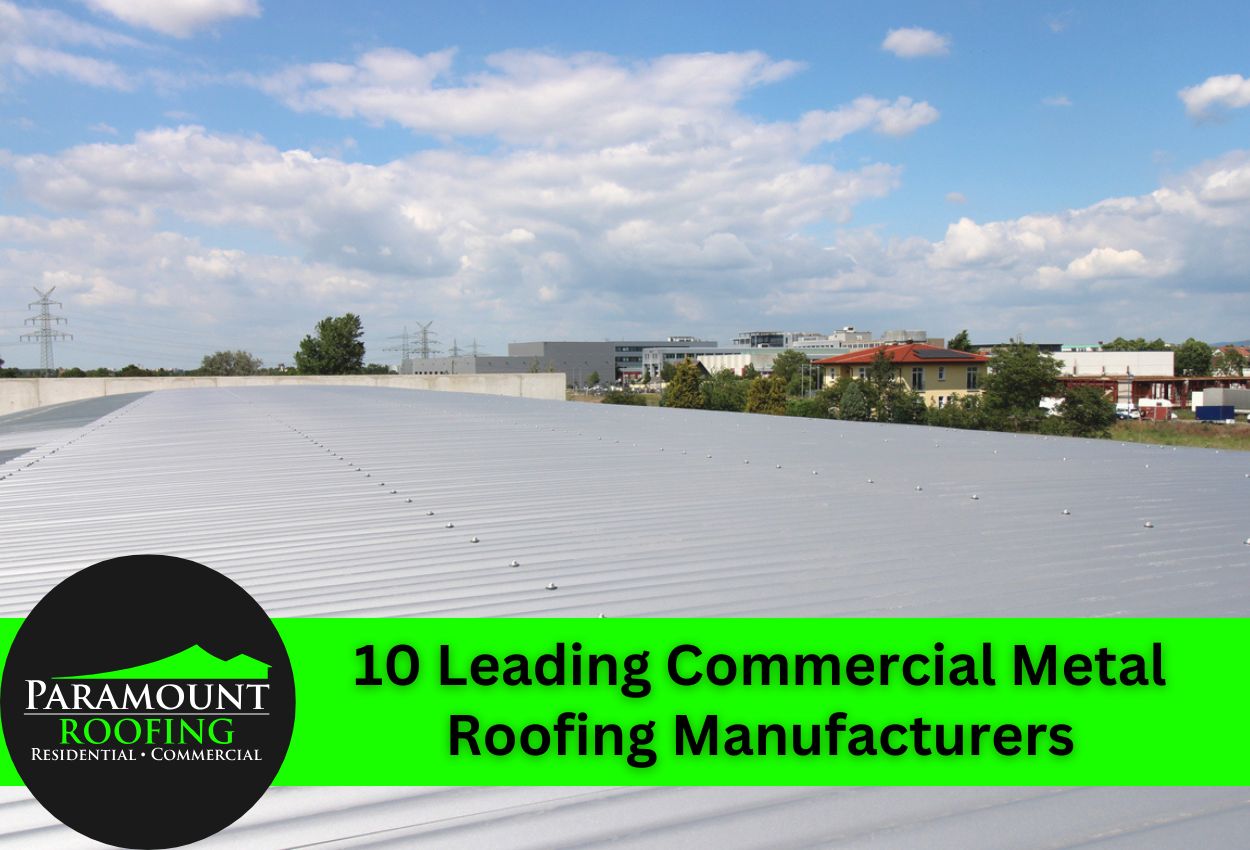
Metal Roofing Systems: Fastener penetrations represent the primary vulnerability in exposed-fastener metal systems, as washers deteriorate, screws back out from thermal cycling, or improper installation creates immediate leak paths. Panel seam failures occur when sealants age and crack, or mechanical seams separate from building movement or thermal stress. Flashing failures at roof transitions, penetrations, and perimeter edges commonly leak when caulking deteriorates or metal components separate from expansion/contraction. Standing seam systems with concealed fasteners minimize these issues but remain vulnerable at panel end laps and penetration flashings.
Emergency Response Procedures
Immediate Actions Within First 24 Hours
When discovering active roof leak during business hours, swift containment prevents damage escalation while professional contractors mobilize for permanent repairs. Property managers should maintain emergency response kits accessible to facility staff containing tarps (various sizes 10×10 to 20×30 feet), collection containers (5-gallon buckets, commercial mop buckets), squeegees for water removal, absorbent materials (towels, floor drying compounds), and safety equipment (non-slip boots, flashlights, hard hats for ceiling inspections).
Interior containment priorities:
- Position collection containers directly under active drips, using largest available buckets reducing emptying frequency
- Move sensitive equipment, inventory, electronics, and documents away from leak zones preventing costly damage
- Deploy absorbent materials around collection points preventing slip hazards from water splashing or overflow
- Document damage extent with photos/video capturing ceiling damage, water stains, floor saturation, and equipment exposure for insurance claims
- Notify building occupants avoiding affected areas, cordoning dangerous zones where ceiling damage risks collapses
Roof-level emergency measures: Deploy temporary waterproofing immediately upon safe roof access. For small active leaks (< 5 square feet affected area), high-quality roofing tape or emergency patch kits provide temporary seal lasting several days until professional repairs. Apply patches to completely dry surfaces only—wet membrane won’t accept adhesives, requiring waiting for dry weather or using specialized wet-application products. For larger affected areas or severe damage, secure heavy-duty tarps (minimum 6-mil thickness) over entire leak zone extending 3-4 feet beyond visible damage perimeter. Anchor tarps using sandbags, lumber weighted with concrete blocks, or other non-penetrating methods—never drive additional fasteners through roofing membrane creating new leak points.
Professional Emergency Services
Emergency commercial roof repair services provide 24/7 response for severe leaks threatening property or business operations. Professional crews arrive with equipment and materials for immediate temporary repairs—industrial tarping systems, high-capacity water extraction equipment, temporary waterproofing compounds, and safety gear enabling night or weather-compromised repairs. Emergency service costs typically add 25-50% premium over standard rates reflecting after-hours response, urgent material procurement, and hazardous working conditions.
Professional emergency response includes comprehensive leak source identification using thermal imaging cameras, moisture meters, and systematic inspection procedures locating actual breach points rather than interior damage symptoms. Technicians assess structural implications of water infiltration, identifying ceiling system damage, insulation saturation, or potential deck deterioration requiring engineering evaluation. This professional assessment provides accurate repair scope and cost estimates rather than temporary fixes addressing symptoms while underlying causes persist.
Emergency contractors provide temporary weather protection designed for extended duration (weeks or months if necessary) when permanent repairs require extensive material procurement, favorable weather conditions, or complex preparations. These temporary systems utilize industrial tarping with reinforced edges, professional securing systems preventing wind uplift, and drainage considerations directing water away from covered areas. Property managers should request documented emergency service reports detailing temporary measures implemented, estimated duration of protection, and monitoring requirements until permanent repairs complete.
Leak Detection and Source Identification
Interior Investigation Techniques
Visible ceiling damage rarely indicates actual leak location—water travels along roof deck slopes, structural members, insulation layers, or ceiling support systems before manifesting as interior staining or dripping. Systematic interior investigation begins at visible damage point, then expands outward and upward tracing water migration paths. Look for water stains on ceiling tiles following linear patterns suggesting travel along structural members, or circular patterns indicating concentrated pooling above specific points.
Advanced moisture detection equipment provides objective data beyond visual inspection. Infrared thermal imaging cameras identify temperature differentials indicating moisture presence—wet insulation appears cooler than dry areas due to evaporative cooling and different thermal properties. This technology maps moisture extent without destructive testing, though interpretation requires professional expertise distinguishing genuine leaks from HVAC condensation, refrigeration equipment effects, or other thermal variations. Moisture meters quantify water content in building materials, documenting severity and tracking drying progress after repairs.
Access above-ceiling spaces when possible, inspecting insulation, roof deck underside, and structural members for active water presence, staining patterns, or mold growth indicating chronic moisture problems. Document findings with photos noting distances and directions from reference points enabling roof-side correlation. Mark ceiling grid locations or measure from building corners providing precise coordinates for rooftop investigation.
Roof Surface Inspection Methods
Professional leak source identification begins with systematic roof surface inspection focusing on predictable failure points. Examine all flashing details—base flashing where membrane terminates at walls or parapets, counter-flashing protecting base flashing top edges, equipment curb flashings, penetration flashings (pipes, vents, conduits), and edge terminations. Look for separated seams, missing sealant, metal corrosion, or physical damage exposing substrate.
Inspect membrane field areas for punctures, tears, surface cracking, or excessive weathering. In single-ply systems, examine seam integrity at 6-inch intervals along their entire length—press firmly checking for separation or weak bonds. Identify ponding water areas (water remaining 48+ hours after rain) as these zones experience accelerated deterioration and represent likely leak sources. Document drainage patterns noting where water concentrates during storms.
Test suspected leak areas using flood testing—creating temporary dams isolating sections, flooding with water, then monitoring interior spaces for leakage. This definitive test confirms specific breach locations but requires dry conditions, interior access with observers, and careful execution preventing water entry into building systems where leaks don’t exist. Professional contractors combine flood testing with electronic leak detection equipment using electrical conductance between wet and dry membrane areas, or capacitance-based systems detecting moisture beneath membrane surfaces.
Repair Techniques by Roof Type
TPO and PVC Membrane Repairs
Small punctures or tears (under 6 inches) in TPO or PVC membranes require patch application using matching membrane material and proper heat-welding techniques. The repair process demands thorough surface cleaning removing all dirt, oils, or contaminants preventing weld adhesion. Cut patch material minimum 6 inches larger than damage in all directions, rounding corners preventing stress concentration points. Heat-weld patch edges to existing membrane using professional hot-air welding equipment maintaining 500-600°F temperature—excessive heat burns through membrane, insufficient heat creates weak bonds.
Test completed welds by attempting to peel patch edges—properly welded seams should show membrane tearing rather than adhesive separation. The two-step welding process provides superior results: first pass tacks patch in position, second pass creates final watertight seal after verifying correct positioning and eliminating wrinkles or air pockets. Allow welded repairs to cool completely before foot traffic or reinstalling equipment creating point loads on fresh welds.
Seam failures require removing failed adhesive or cutting out weak sections, thoroughly cleaning both membrane edges, then resealing using proper welding techniques. For extensive seam failures or widely distributed damage, consider membrane overlay providing new watertight surface over existing system, particularly when underlying insulation remains dry and roof deck shows no deterioration. Professional contractors evaluate whether localized repairs address root causes or whether systemic failures indicate replacement planning necessity.
EPDM Rubber Membrane Repairs
EPDM repairs utilize pressure-sensitive tape, liquid adhesive, or primer/adhesive systems depending on damage type and location. Surface preparation proves absolutely critical—EPDM’s smooth factory finish resists adhesive bonding without proper preparation. Thoroughly scrub repair area with EPDM-compatible cleaner removing all chalking, dirt, and contaminants. For pressure-sensitive tape repairs, wipe cleaned surface with manufacturer-specific primer, allowing flash-off time before applying tape.
Cut patch material minimum 6 inches beyond damage, rounding corners. Apply pressure-sensitive patches from center toward edges, using hand roller applying firm, consistent pressure eliminating air bubbles and ensuring complete contact. For liquid adhesive repairs, coat both membrane and patch with compatible adhesive, allow prescribed tack time, then press together applying roller pressure. Some repairs require mechanical fastening around patch perimeter for added security in high-stress locations or temporary repairs.
Seam repairs demand careful evaluation determining whether original bonding used tape or liquid adhesive—mixing bonding methods creates reliability problems. Failed tape seams require removing old tape completely (challenging as aged tape often leaves adhesive residue), cleaning surfaces, re-priming, then applying new pressure-sensitive tape overlapping existing membrane minimum 3 inches beyond old seam location. Liquid adhesive seam repairs follow similar process with thorough cleaning, fresh adhesive application, and sufficient open/tack time before pressing seams together.
Modified Bitumen Repairs
Cold-process modified bitumen repairs use rubberized asphalt cement or specialized patch fabrics for small damage areas. Clean repair zone thoroughly removing all loose granules, dirt, or failed material. Apply thick coat of rubberized cement, embed reinforcing fabric if spanning cracks or tears larger than 1 inch, then apply second cement coat completely covering fabric. Some products incorporate reflective aluminum coating minimizing heat absorption and matching surrounding surface appearance.
Torch-applied patches provide superior bonding but require trained contractors with proper safety equipment and fire prevention measures. Cut modified bitumen patch material extending minimum 6 inches beyond damage, heat bottom surface and existing membrane using propane torch until asphalt begins flowing (indicated by surface glossing), then quickly press patch into position working from center outward eliminating wrinkles and air pockets. The molten asphalt creates permanent waterproof bond as it cools. Never torch-apply repairs near combustible materials, during windy conditions, or without appropriate fire extinguishers and monitoring throughout curing period.
Large-scale modified bitumen repairs or widespread surface deterioration warrant overlay systems applying new modified bitumen layer over existing roof using cold-adhesive or torch methods. This approach extends roof life 10-15 years when underlying structure remains sound, insulation stays dry, and deck shows no deterioration. Proper overlay systems include cleaning existing surface, installing new base sheet, then finishing cap sheet with granulated surface protecting underlying asphalt from UV exposure.
Metal Roof Leak Repairs
Metal roof leaks at fastener penetrations require individual fastener evaluation and remediation. Remove failed fasteners showing rust staining, missing washers, or loose grip. Clean penetration holes, apply polyurethane sealant or butyl-based caulking compound, install new fasteners with oversized neoprene washers, then cap with additional sealant bead covering washer perimeter. For heavily deteriorated fastener zones, consider eliminating penetrations by converting to standing seam panels with concealed clips, or installing structural sub-purlins redistributing loads to fewer, properly maintained fastener locations.
Panel seam failures require old sealant removal using scraper or wire wheel (avoid damaging metal coating), cleaning with approved solvent removing all residue, then applying compatible polyurethane or butyl sealant. Some seam types accept mechanical re-crimping or re-rolling restoring original weather seal without complete disassembly. For severely corroded panel laps, replacement represents only reliable solution—cut out affected section, fabricate matching panel, install with proper overlap and sealant, then fasten according to manufacturer specifications.
Flashing repairs mirror techniques for membrane systems but require compatible sealants and materials. Clean metal surfaces thoroughly, apply metal-specific primers when needed, then install flashing patches using matching metal and appropriate fastening. Counterflashing and cap flashing installations demand proper expansion allowances preventing buckling from thermal movement while maintaining weather seal. Professional contractors understand metal expansion coefficients, proper fastening patterns preventing metal fatigue, and sealant selection providing flexibility accommodating metal movement.
Cost Factors and Repair Planning
Repair Cost Breakdown
Minor Repairs ($400-$1,500): Small punctures, localized membrane tears, or individual flashing failures affecting 5-20 square feet qualify as minor repairs. Costs include service call (typically $150-$300), materials ($50-$200 depending on roof type and repair size), and labor (2-4 hours). These repairs often complete in single visit during favorable weather, providing immediate leak resolution without extensive project planning or building disruption.
Moderate Repairs ($1,500-$5,000): Multiple leak locations, failed seam sections requiring extensive rework, or flashing replacement around equipment curbs fall into moderate category affecting 50-200 square feet. Projects may require multiple technician visits coordinating with weather conditions, material ordering for specific membrane types or custom flashing fabrication, and potential equipment disconnection/relocation accessing repair areas. Cost includes comprehensive leak investigation ($300-$600), materials ($500-$1,500), specialized equipment rental (welding machines, safety gear), and labor (1-3 days).
Extensive Repairs ($5,000-$25,000+): Large-scale membrane replacement, structural repairs addressing water-damaged decking, or comprehensive flashing system overhaul represent extensive work affecting 200+ square feet or requiring specialized interventions. Projects include engineering evaluation ensuring structural adequacy ($1,000-$3,000), building permits if required ($200-$1,000), substantial materials ($2,000-$10,000), equipment rental or crane access for material handling, and labor crews (1-2 weeks). These repairs approach partial roof replacement costs, warranting evaluation whether full roof replacement provides better long-term value.
When Replacement Beats Repairs
Consider full commercial roof replacement rather than continuing repairs when facing these conditions:
Multiple recurring leaks within 2-3 year period indicate systemic failure rather than isolated problems. Repeatedly patching different areas creates patchwork roof with reduced overall integrity and reliability. The cumulative cost of multiple repair callouts, emergency services, and business disruptions often exceeds replacement investment while leaving building vulnerable to continued failures.
Roof age exceeding 75-80% of expected lifespan combined with moderate-to-extensive repair needs suggests replacement timing. For example, 18-year-old TPO roof on 20-25 year expected lifespan experiencing $8,000-$12,000 repair recommendations represents poor investment—repairs may extend life 3-5 years before replacement becomes necessary regardless, while full replacement provides 20-25 year solution.
Widespread membrane deterioration showing surface cracking, brittleness, or extensive weathering indicates material approaching end of service life. Visual inspection revealing large percentage of roof surface exhibiting age-related degradation means unrepaired areas likely failing soon after current repairs complete. The staged failure pattern creates ongoing maintenance burden and unpredictable leak timing during critical business operations.
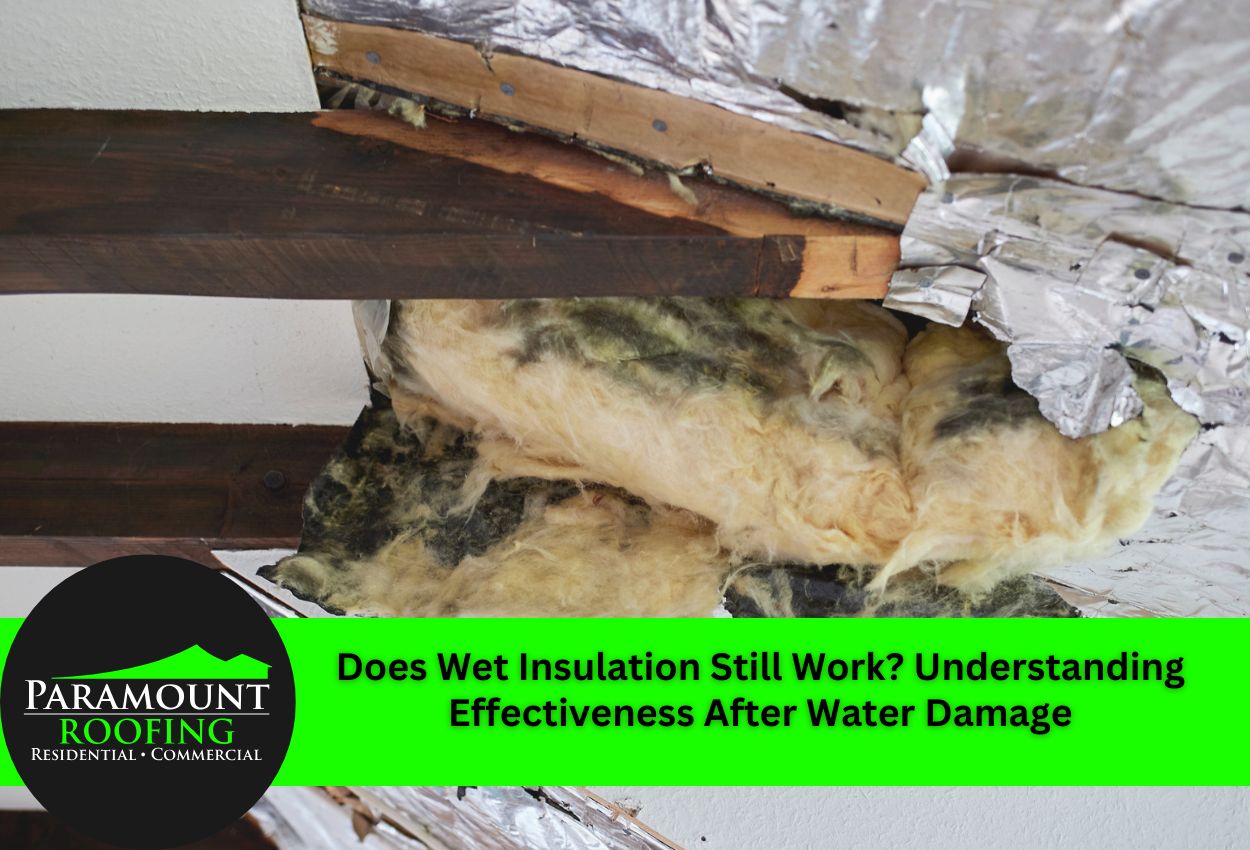
Water-damaged insulation or deck substrate discovered during leak investigation elevates repair complexity and cost substantially. Wet insulation loses R-value and promotes membrane adhesion failures if not replaced, while rotted deck boards compromise fastener holding power and structural integrity. When water damage extends significantly beyond leak area, replacement provides opportunity addressing all compromised components rather than partial interventions leaving weak zones.
Preventive Maintenance and Leak Prevention
Routine Inspection Schedules
Implement biannual professional roof inspections (spring and fall) identifying early problems before leak development. Spring inspections assess winter damage from ice, snow loading, and freeze-thaw cycles, while fall inspections prepare roof for upcoming winter ensuring drainage systems function properly and vulnerable areas receive preventive attention. Professional contractors document roof condition with photos, measurements, and written reports tracking deterioration rates and recommending timely interventions.
Between professional inspections, facility maintenance staff should perform monthly visual roof checks after significant weather events. Walk entire roof surface noting ponding water locations, visible membrane damage, loose flashing, debris accumulation, or vegetation growth. Document findings with photos including date stamps and location references enabling condition tracking over time. These regular observations identify new problems immediately rather than waiting months until scheduled professional inspection.
Focus inspection attention on predictable failure zones: all flashing details, membrane seams (particularly at field seam intersections creating stress concentration), areas surrounding roof penetrations and equipment, valleys or low-slope zones where water concentrates, and roof perimeter edges experiencing greatest wind and weather exposure. Catching small problems like lifted flashing edges, minor membrane tears, or loose fasteners enables simple, inexpensive repairs preventing water intrusion and extensive damage.
Proactive Maintenance Actions
Drainage system maintenance prevents majority of commercial roof problems. Clean all drains, scuppers, and gutters quarterly (minimum) removing leaves, debris, and sediment restricting water flow. Ensure drain strainers remain in place preventing debris entering interior drainage pipes where clogs cause ponding water and inevitable leaks. During cleaning, inspect drain bowl integrity, membrane-to-drain sealing, and clamping ring tightness—these connections represent common leak points when maintenance neglects proper sealing.
Traffic control minimizes membrane damage from foot traffic, equipment servicing, and material storage. Establish designated walkway paths using walkway pads protecting membrane from concentrated wear. Require HVAC contractors and other roof-accessing trades using protective equipment rather than direct walking on membrane. Prohibit material storage directly on roof membrane—use blocking, pallets, or dedicated storage pads distributing loads across larger areas. These simple protocols dramatically extend membrane life and prevent puncture damage.
Vegetation control eliminates roof colonization by mosses, algae, or plant growth rooting in debris accumulation. Organic matter traps moisture against membrane accelerating deterioration and providing growth medium for vegetation whose roots penetrate and damage waterproofing. Quarterly cleaning removes this material before establishment, while targeted vegetation removal addresses any growth promptly. Never use harsh chemicals or power washing potentially damaging membrane—gentle sweeping and low-pressure rinsing suffice for most cleaning needs.
Sealant maintenance addresses the reality that caulking compounds deteriorate faster than membrane materials. Annual inspection of all sealant applications (pipe penetrations, equipment curb interfaces, flashing terminations, panel seams on metal roofs) identifies cracking, shrinkage, or adhesion loss requiring renewal. Proactive re-caulking prevents water intrusion at these vulnerable points, providing inexpensive protection dramatically outweighing repair costs after leaks develop. Use compatible sealants matching original installation materials ensuring proper adhesion and performance.
Selecting Commercial Roofing Contractors
Qualifications and Experience
Prioritize contractors demonstrating specific commercial roofing experience rather than residential roofers attempting commercial projects. Commercial work demands understanding of complex membrane systems, large-scale project management, commercial building codes, and insurance/warranty compliance requirements differing substantially from residential expertise. Request references from similar commercial properties (comparable size, roof type, building use) and verify successful project completion.
Confirm contractor licensing meets state/local requirements for commercial roofing work—requirements often exceed residential licensing standards. Verify liability insurance ($2,000,000+ general liability minimum for substantial commercial projects) and workers compensation coverage protecting property owners from contractor employee injury liability. Request certificates of insurance naming property owner as additional insured, and verify coverage directly with insurance carriers rather than accepting contractor-provided documents.
Evaluate contractor membership in professional organizations (National Roofing Contractors Association, regional contractors associations) and manufacturer certifications indicating specialized training and quality commitment. Manufacturers provide extensive technical training to certified contractors covering proper installation techniques, materials compatibility, and warranty compliance. These certifications typically require proven track record, training completion, and insurance verification before manufacturer approval.
Obtaining Repair Estimates
Request detailed written estimates from multiple contractors (3-5 recommended) enabling cost and scope comparison. Comprehensive estimates should itemize leak investigation procedures, specific repair techniques proposed, materials specifications, labor allocation, timeline expectations, and warranty terms. Vague estimates listing only total cost without work description make comparison impossible and suggest potential for scope creep or change orders during work.
Schedule simultaneous roof inspections when possible, allowing contractors examining same conditions and providing comparable assessments. If simultaneous visits aren’t feasible, document roof conditions with date-stamped photos and detailed notes ensuring all contractors evaluate identical scope. Substantial estimate variations (greater than 25-30%) warrant clarifying discussions understanding whether contractors propose different repair approaches, identify different problems, or simply price differently.
Evaluate proposals based on comprehensive value rather than lowest cost alone. The cheapest estimate may omit necessary work, use inferior materials, lack proper warranty coverage, or come from underinsured contractor creating liability risks. Consider contractor reputation, insurance adequacy, warranty terms, project timeline, and proposed repair thoroughness alongside cost when selecting service provider. Quality commercial roof repairs provide 5-10+ year service life—false economy choosing inadequate repairs requiring redo within 1-2 years ultimately costs more than proper initial investment.
Conclusion
Effective commercial roof leak repairs demand swift emergency response limiting property damage and business interruption, professional leak source identification distinguishing actual breach locations from interior damage symptoms, and permanent repair techniques appropriate to specific roof types addressing root causes rather than temporary symptom treatment. Property managers must balance immediate containment needs with comprehensive repair planning, evaluating whether localized repairs provide long-term solutions or whether extensive problems warrant full roof replacement consideration.
Proactive maintenance programs incorporating regular inspections, drainage system cleaning, traffic control, and sealant maintenance prevent majority of leak problems while extending overall roof system life 25-50% beyond typical performance expectations. This preventive investment proves far more cost-effective than reactive approaches requiring frequent emergency repairs, business disruptions, and property damage restoration.
Understanding commercial roofing system vulnerabilities, recognizing early failure indicators, and partnering with qualified roofing contractors experienced in commercial applications ensures leak problems receive appropriate attention minimizing impact on building operations and protecting long-term property investment. Whether addressing immediate emergency repairs or planning comprehensive roof rehabilitation, informed decision-making based on roof type characteristics, damage extent assessment, and realistic cost-benefit analysis produces optimal outcomes protecting buildings and budgets.
For professional commercial roof leak repair services in Metro Detroit, contact Paramount Building at (586) 571-9007.