

 Free Estimate
 Request Service
 Locations
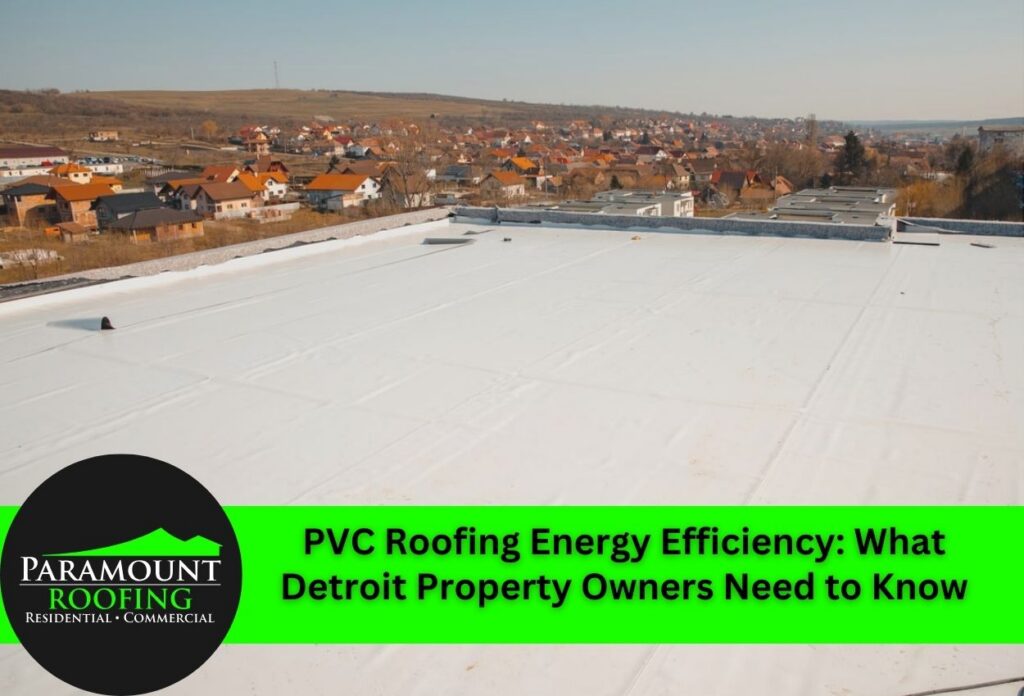
Key Points:
- PVC roofs are highly energy-efficient due to their reflective cool roof technology, significantly reducing cooling costs and improving thermal performance.
- These single-ply membranes reflect 75% to 85% of solar radiation, greatly decreasing heat absorption and air conditioning needs.
- PVC roofs offer superior, long-term energy savings compared to other materials like EPDM, maintaining efficiency with minimal maintenance.
PVC roofs deliver exceptional energy efficiency through advanced cool roof technology and reflective roofing materials that significantly reduce building energy consumption. These single-ply membrane systems reflect solar heat rather than absorbing it, keeping buildings cooler during hot summers and reducing strain on HVAC systems.
Commercial roof energy performance improves dramatically with PVC roofing installations due to their white or light-colored surfaces that can reflect up to 80% of solar radiation. This reflective capability translates directly into PVC roofing energy savings for property owners who experience lower cooling costs and more stable indoor temperatures year-round.
Michigan’s varied climate conditions make energy-efficient roofing particularly valuable for commercial properties. PVC membranes maintain their reflective properties over time without significant degradation, ensuring consistent thermal performance throughout their lifespan. The material’s superior insulation characteristics also help retain heat during colder months, providing balanced energy benefits across all seasons.
Understanding these energy efficiency advantages helps property owners make informed decisions about roofing investments that reduce operational expenses while improving building comfort and environmental impact.
How PVC Single Ply Membranes Maximize Energy Performance
PVC single-ply membranes achieve superior energy efficiency through their inherent thermal properties and reflective capabilities. These cool roof technology systems feature high solar reflectance values that bounce heat away from building surfaces, reducing cooling loads by up to 40% compared to traditional dark roofing materials. The membrane’s molecular structure provides excellent insulation properties while maintaining flexibility across temperature extremes.
Single-ply membrane efficiency depends heavily on proper installation techniques that maximize thermal performance. Fully adhered systems eliminate air gaps that could compromise insulation values, while mechanically fastened installations require strategic placement to avoid thermal bridging. Quality installation ensures the reflective roofing materials maintain consistent contact with insulation layers, creating an effective thermal barrier.
Commercial roof energy performance benefits significantly from PVC membrane welding processes that create monolithic surfaces without seams or joints where heat transfer could occur. The heat-welded seams actually become stronger than the base membrane material, maintaining the system’s thermal integrity throughout its service life. These technical advantages combine with proper insulation integration to deliver measurable PVC roofing energy savings that reduce operational costs while improving occupant comfort levels.
Cool Roof Technology and PVC Material Science
Cool roof technology relies on two fundamental scientific principles: solar reflectance and thermal emittance. PVC roofing materials naturally excel at both mechanisms through their molecular composition and surface characteristics. The polymer structure of PVC membranes reflects solar radiation effectively while simultaneously releasing absorbed heat back to the atmosphere through thermal emittance processes.
Solar reflectance ratings for PVC roofing systems typically range from 0.75 to 0.85, meaning these reflective roofing materials bounce back 75% to 85% of incoming solar energy. Thermal emittance values commonly exceed 0.90, indicating excellent heat release capabilities. These combined properties create the foundation for exceptional commercial roof energy performance that translates into measurable PVC roofing energy savings.
The science behind single-ply membrane efficiency extends beyond surface reflectivity to include material thickness, density, and chemical formulation. White and light-colored PVC membranes maintain stable reflective properties through UV-resistant additives that prevent degradation over time. This material stability ensures consistent thermal performance throughout the membrane’s service life, providing long-term energy benefits that make PVC systems highly effective cool roof technology solutions for commercial applications.
Reflective Properties That Reduce Cooling Needs
White and light-colored PVC surfaces possess exceptional reflective properties that significantly minimize heat absorption into commercial buildings. These reflective roofing materials can reflect up to 85% of solar radiation, preventing excessive heat buildup that would otherwise transfer through the roof assembly into occupied spaces below.
The reflective capabilities of PVC roofing create substantial energy savings by reducing air conditioning loads during Detroit’s intense summer, when temperatures frequently exceed 85 degrees Fahrenheit. Buildings with PVC membranes experience notably lower roofing surface temperatures compared to traditional dark roofing systems, often maintaining surface temperatures 50 to 70 degrees cooler than conventional materials on the same day.
This cool roof technology directly impacts commercial roof energy performance by reducing the thermal load placed on HVAC equipment. Air conditioning systems operate more efficiently when roofing surfaces remain cooler, resulting in lower energy consumption and extended equipment lifespan. The consistent reflective performance of single-ply membrane systems ensures these PVC roofing energy savings continue throughout the membrane’s service life, providing long-term operational benefits for building owners seeking sustainable roofing solutions.
Long-Term Energy Savings Through PVC Roof Performance
PVC roofing systems deliver sustained energy efficiency benefits that add up over decades of service life through exceptional durability characteristics. These single-ply membrane systems maintain their reflective properties and thermal performance without significant degradation, ensuring consistent PVC roofing energy savings year after year. The polymer composition resists UV radiation, chemical exposure, and weather cycling that typically diminish the energy performance of conventional roofing materials.
Proper maintenance practices preserve the energy-saving benefits of PVC systems through routine cleaning and inspection protocols. Simple maintenance procedures like annual inspections and periodic membrane cleaning ensure reflective roofing materials continue delivering peak commercial roof energy performance throughout their expected 20 to 30 year lifespan.
The minimal maintenance requirements of PVC membranes contribute directly to their long-term energy efficiency by preventing performance degradation common in other roofing systems. Heat-welded seams maintain structural integrity without allowing thermal bridging or air leaks that could compromise insulation effectiveness. This durability translates into predictable energy performance that building owners can rely on for lifecycle cost planning and energy management strategies.
Comparing PVC Energy Efficiency to Other Commercial Roofing Materials
PVC roofing systems consistently outperform traditional commercial roofing materials in energy efficiency metrics when compared to EPDM, TPO, and modified bitumen options. While EPDM membranes typically feature dark surfaces that absorb significant solar radiation, PVC’s reflective roofing materials naturally deflect heat through superior cool roof technology. This fundamental difference creates measurable gaps in commercial roof energy performance between these single-ply membrane systems.
TPO membranes offer moderate energy benefits through white surface options, but PVC maintains superior thermal stability and reflective consistency over time. Modified bitumen systems, particularly darker varieties, absorb considerable heat that transfers directly into building interiors, increasing cooling loads substantially compared to PVC installations. The energy efficiency advantages of PVC become especially pronounced in large commercial buildings where roofing surface area amplifies the thermal impact of material selection.
PVC roofing energy savings typically exceed other membrane options by 15% to 25% due to higher solar reflectance values and better thermal emittance characteristics. These performance differences become particularly significant across Detroit’s temperature extremes, where PVC’s consistent thermal properties provide year-round energy benefits that traditional materials cannot match through their service lives.
Making the Right Energy-Efficient Roofing Decision for Your Property
Determining whether PVC roofing aligns with your building’s energy efficiency goals requires a close look at specific property characteristics and performance objectives. Building size, current energy consumption patterns, and existing roof conditions all influence the potential PVC roofing energy savings that property owners can expect from single-ply membrane installations.
Climate considerations play an important role in assessing cool roof technology benefits for individual properties. Buildings with high cooling loads benefit most from reflective roofing materials, while structures with balanced heating and cooling needs require analysis of year-round thermal performance. Existing insulation levels and HVAC system efficiency also impact the overall commercial roof energy performance improvements that PVC membranes can deliver.
Working with qualified roofing contractors ensures proper assessment of your property’s specific energy performance needs through building evaluations. Professional contractors analyze roof orientation, surrounding structures, and local weather patterns to determine the best PVC membrane configurations. Their expertise in cool roof technology implementation helps property owners understand realistic energy savings potential while identifying any structural modifications needed to maximize thermal performance benefits from reflective roofing material installations.
Explore Paramount Roofing for Top PVC Roof Energy Efficiency in Detroit
If you’re considering a new roofing solution for your Detroit property, understanding the energy efficiency of PVC roofing is important. PVC roofs are renowned for their superior energy-saving characteristics, including excellent solar reflectance and thermal emittance. These features significantly reduce your building’s cooling needs during hot summers, leading to substantial cost savings on energy.
PVC roofing systems from Paramount Roofing not only offer long-term durability but also maintain their energy efficiency with minimal maintenance. By choosing PVC, you’re investing in a roof that supports your energy efficiency goals while providing robust performance against Michigan’s diverse weather conditions.
Don’t miss out on the benefits of a PVC roof. Call Paramount Roofing today at (586) 690-0227 to discuss your energy-efficient roofing needs and ensure your property is equipped with the best roofing technology available.