Request Service
 Locations

- 100+ Years Of Combined Experience
- BBB Accredited With A+ Rating
- Award-Winning Roofing Company In Metro Detroit


 Free Estimate
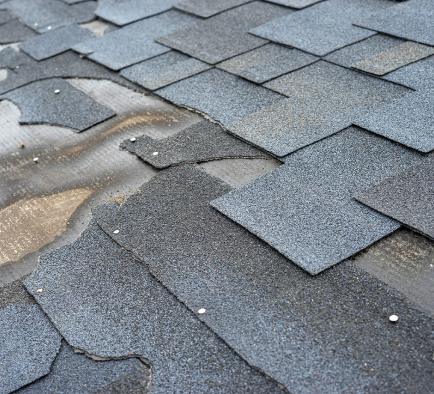
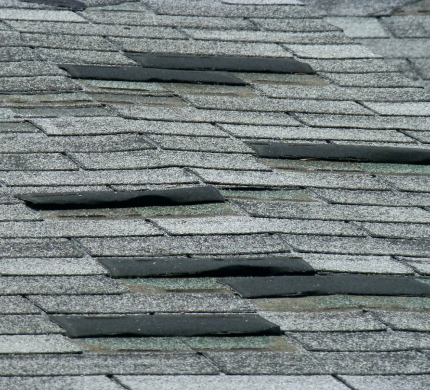
Southfield sits in a part of Michigan where the weather does not go easy on roofs. Winters bring heavy snow, ice, and repeated temperature changes that loosen shingles and crack sealants over time. Spring and summer pile on with heavy rain, strong winds, and hail that can tear open a roof in minutes. With around 33 inches of rain and up to 37 inches of snow each year, there is rarely a safe window to leave a damaged roof exposed. When something goes wrong, whether it’s a storm-driven puncture, lifted shingles, or a damaged ridge area, water can reach your interior fast.
That is exactly where emergency roof tarping becomes important. A secure temporary cover stops the damage from spreading while you arrange permanent repairs. It protects exposed roof decking, open seams, and vulnerable edge areas from whatever the next rain or snowfall brings. For homeowners in Southfield's suburban neighborhoods, many of which feature mid-century construction with older roof assemblies, an exposed roof section can create leak paths that are harder to predict and quicker to cause real interior damage.
Paramount Roofing understands this market and responds quickly when Southfield homeowners need protection now. The goal is simple: get a proper tarp in place before conditions make a bad situation worse, and do it right so the cover holds until full repairs can be completed.
If you have never dealt with roof damage before, not knowing what happens next can feel just as stressful as the damage itself. Here is exactly what to expect when you call Paramount Roofing for emergency tarping.
Not every roof situation calls for the same response. The type of damage, the roof's age, and the weather window you are working with all shape what a proper tarping job needs to address. Southfield's older housing adds another layer, since mid-century roof assemblies often have flashing or ventilation details that can make leak paths less predictable once a section is exposed.
| Damage Type | Common Cause in Southfield, MI | What Tarping Protects |
|---|---|---|
| Lifted or missing shingles | High winds and hail during spring and summer storms | Exposed roof decking and underlayment beneath the damaged area |
| Punctures or impact damage | Falling branches or hail strikes | Open roof deck sections vulnerable to rain and snow |
| Damaged ridge or edge areas | Wind-driven rain and repeated temperature changes over winter | Ridge board, cap shingles, and drip edge from water pooling |
| Cracked or failed sealants | Seasonal temperature changes stressing older materials | Seams and flashing junctions where water enters fastest |
One thing worth knowing: emergency tarping is generally treated as temporary stabilization rather than a permitted repair in Southfield, but if your situation transitions into a full reroofing project, the city does require a building permit. Paramount Roofing can walk you through that sequence so nothing gets missed when permanent work begins.
Not all tarps perform the same way once temperatures drop or a second storm rolls through. We use thick, reinforced tarps rated to hold up under rain, snow, and wind so your temporary cover does not fail before permanent repairs are complete.
A tarp that shifts or lifts in the wind offers little real protection. We fasten the cover with weighted boards and secure tie-downs that keep the tarp locked in place across the damaged area, even during the kind of wind-driven rain that Southfield sees through spring and summer.
Water does not always come straight down. Rain and snowmelt can run sideways under a loose edge and still reach your interior. We seal the tarp edges carefully around the perimeter of the damaged section so runoff is directed away from open seams and vulnerable flashing areas.
A tarp that only covers the most obvious damage point can still let water in around the edges of the affected area. We size coverage to extend beyond the visible damage, accounting for how older Southfield roof assemblies can carry water in less predictable directions before it ever shows up inside your home.
Southfield's mix of wet springs, heavy summer storms, and cold, snowy winters means there is rarely a forgiving window after roof damage occurs. Leaving an exposed section unprotected, even briefly, puts your interior at real risk. A proper tarp job done quickly gives your home a reliable barrier while you plan the next step, and it keeps a manageable situation from turning into something far more expensive to fix.
When you are ready to get a temporary cover in place, Paramount Roofing is available to respond quickly. Whether you are dealing with fresh storm damage or a leak that just got worse overnight, the process is straightforward: we arrive, we protect the roof, and we give you a clear picture of what comes next. Reach out when you are ready, and we will take it from there.
Got questions about your roof? We’ve got answers. From maintenance tips to insurance claims and repair timelines, our FAQ section covers the most common concerns homeowners have. Get informed and make confident decisions about protecting your home.
A properly installed tarp, anchored with weighted boards and secured at the perimeter, is built to handle follow-up rain and moderate wind. The risk comes with tarps that are loosely applied or undersized for the damage zone, which is a common problem with quick DIY covers. Southfield's spring and summer storm pattern means a second hit is always possible, so the quality of the installation matters as much as getting something in place fast.
Mid-century homes common across Oakland County suburbs were often built with roof assemblies, flashing details, and ventilation layouts that differ from what you see in newer construction. Once a section is exposed, water can travel along older framing paths and show up in your interior well away from the original damage point. That is why coverage needs to extend beyond the obvious area rather than just covering the spot where the leak is visible.
Yes, and it matters more than most homeowners expect. In winter, ice and snow add weight to the surface, and temperature changes can cause materials to shift, so anchoring has to account for those added stresses. During Southfield's warmer months, UV exposure and wind-driven rain put different demands on the cover. A tarp installed in January ahead of a cold snap needs to be evaluated and potentially re-secured before a spring storm season arrives.

#1 Top Rated
100% Satisfaction Guarantee
2100+ Projects Completed
Your Local Roofing Experts in Romeo, MI