Request Service
 Locations

- 100+ Years Of Combined Experience
- BBB Accredited With A+ Rating
- Award-Winning Roofing Company In Metro Detroit

 Free Estimate
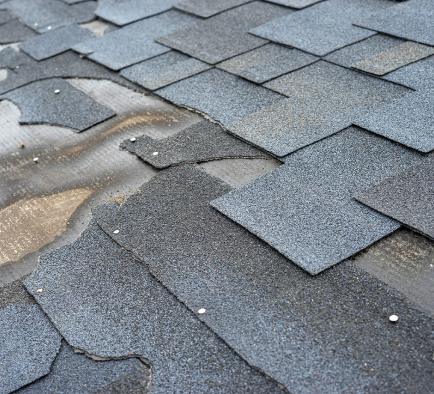
Royal Oak sits squarely in southeast Michigan's storm corridor, and the weather here doesn't give homeowners much breathing room. Winters bring heavy snow, ice buildup, and repeated temperature changes that work on shingles and flashing over time. Spring and summer roll in with strong thunderstorms, wind gusts that can top 60 mph, and hail that punches through aging roofing materials without much warning. With a large share of the housing dating back to the mid-1900s, many Royal Oak homes are already carrying older shingles, worn sealants, and tired roof edges. When a storm hits, those weaknesses don't stay hidden for long.
Emergency roof tarping gives you a fast, reliable way to protect your home between the moment damage happens and when a permanent repair can be scheduled. A properly secured tarp keeps rain, snowmelt, and wind-driven moisture from getting inside and turning a roof problem into a ceiling problem, a flooring problem, or worse. Because Royal Oak sees precipitation in nearly every season, getting an open roof covered quickly matters more than many homeowners realize.
Paramount Roofing has worked with homeowners across Royal Oak and the surrounding Oakland County area, and we understand the specific conditions that push local roofs to their limits. Emergency tarping is always a temporary measure, but when it's done right and done fast, it protects your home and keeps your options open while permanent repairs are arranged.
Storm damage can leave a roof exposed before you have a chance to figure out how much of it was affected. Paramount Roofing addresses the immediate exposure first, then evaluates the surrounding roofing and explains what needs to happen from there.
Not every roof problem rises to the level of an emergency, but some situations genuinely cannot wait. Royal Oak's weather creates conditions where the gap between damage and the next round of rain or snow can be very short, so knowing what qualifies helps you act quickly when it counts.
| Damage Type | Common Cause in Royal Oak | Why Tarping Can't Wait |
|---|---|---|
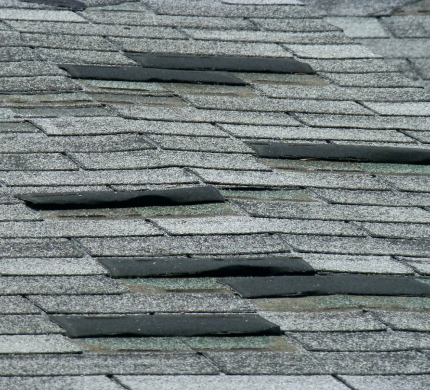
| Shingle loss or blow-off | Wind gusts during severe thunderstorms | Bare roof decking absorbs moisture fast, especially with rain likely to follow |
| Hail punctures or splits | Quarter-size or larger hail during warm-season storms | Punctures let water in immediately and can get worse with each rainstorm |
| Flashing failure or separation | Wind stress combined with aging sealants on older homes | Open seams around chimneys or edges channel water directly into the structure |
| Ice dam damage | Heavy snow followed by melting and refreezing | Trapped meltwater backs up under shingles and leaks into ceilings |
| Broken or displaced roof decking | Fallen limbs or debris during storms | Any structural opening needs immediate covering to protect interior spaces |
With many Royal Oak homes carrying roofs that already have some age on them, new storm damage often combines with existing wear. That makes getting a tarp in place fast especially important, since an older roof has less margin to handle even a short exposure period before water reaches the interior.
Not all tarps hold up equally, and in southeast Michigan, a lightweight cover that lifts in the next windstorm does more harm than good. We use thick, reinforced tarps built to stay in place through the kind of gusty spring and summer conditions that Royal Oak regularly sees between storms.
A tarp that isn't properly anchored is a temporary fix that won't last through the next round of weather. We secure the edges and corners using fastening methods that account for Michigan's variable wind conditions, so the covering stays in place until permanent repairs are completed.
We size the tarp to cover not just the visible damage but a reasonable margin around it, because water doesn't always enter exactly where you expect it to. This is especially relevant on older Royal Oak homes where worn underlayment or compromised roof edges may allow moisture to travel before it shows up inside.
Before the tarp goes on, we document the roof condition, so you have a clear record of what the damage looked like at the time of the emergency. That record is useful when you are scheduling permanent repairs and need an accurate picture of what was found on the roof that day.
Homes across Royal Oak face a real challenge: older roofing materials that have already been through decades of cold winters, wet springs, and summer storms don't have much left to give when a new storm hits. Getting a tarp in place quickly is often the difference between a contained repair and a much larger problem. The longer a roof stays open between storms, the more water works its way into places that are expensive to fix.
Paramount Roofing is here to help when you need it most. If you have a damaged or open roof and weather is on the way, reaching out sooner gives us the best chance to get your home covered before conditions get worse. There is no pressure to commit to anything beyond the immediate situation. We will give you a clear picture of what we find and help you take the next step at your own pace.
Got questions about your roof? We’ve got answers. From maintenance tips to insurance claims and repair timelines, our FAQ section covers the most common concerns homeowners have. Get informed and make confident decisions about protecting your home.
A properly installed tarp is built to handle follow-up weather, but the key word is properly installed. We use heavy-duty, reinforced tarps secured at the perimeter specifically because Southeast Michigan storms can bring strong winds days or even weeks after the initial damage. A tarp that was thrown on loosely or undersized for the damage zone is the one most likely to fail when conditions pick up again.
It does, and it's worth knowing ahead of time. Older Royal Oak homes often have brittle shingles, deteriorated underlayment, and roof edges that were already showing wear before a storm ever touched them. When we install a tarp on a mid-century home, we size the coverage to account for the fact that moisture may travel well beyond the obvious damage point before it shows up inside. New damage and pre-existing wear tend to work together on older roofs, so we err on the side of broader coverage.
Temporary tarping itself does not require a permit since it’s not a permanent repair or alteration to the roof structure. However, the permanent repair work that follows almost always does, and Royal Oak's Building Division handles residential roof permits for that stage. Getting the tarp in place first protects your home while the permitting process for the actual repair gets sorted out, which is part of why temporary tarping and permanent repairs are treated as separate steps.

#1 Top Rated
100% Satisfaction Guarantee
2100+ Projects Completed
Your Local Roofing Experts in Romeo, MI