Request Service
 Locations

- 100+ Years Of Combined Experience
- BBB Accredited With A+ Rating
- Award-Winning Roofing Company In Metro Detroit


 Free Estimate
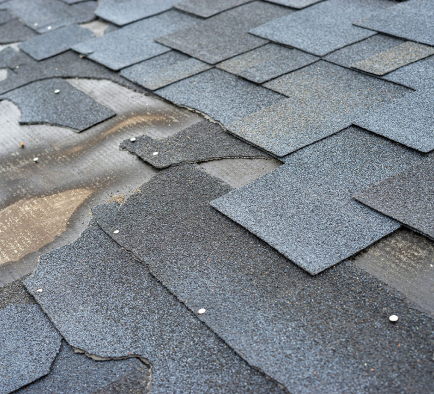
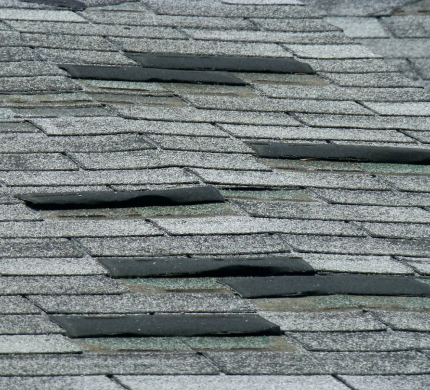
Romeo’s weather keeps homeowners on their toes year-round. Winters bring cold temperatures, snow, and ice, while spring and summer roll in with strong storms and heavy rain. That kind of weather cycle puts real pressure on older roofs, and Romeo has plenty of them. The village and surrounding neighborhoods are home to houses built well over a century ago, many with roof details and materials that have seen decades of temperature changes and moisture. When a storm rips up shingles or opens up a section of your roof, every hour without coverage raises the risk of water getting into the roof decking, the attic, and eventually the living space below.
That’s where emergency roof tarping makes a real difference. A properly secured tarp stops the damage from spreading while you work out a plan for permanent repairs. It’s a short-term stabilization step, not a final fix, but it’s often the most important thing you can do in the hours right after a storm. Paramount Roofing serves homeowners throughout Romeo and understands what it takes to get a tarp down fast and done right, even on older rooflines with complex edges, valleys, and flashing details that require tighter coverage to keep water out.
Whether damage happens in January or July, the goal is the same: protect your home quickly before conditions or the next round of rain makes things worse.
When a roof needs emergency tarping, the immediate goal is to limit exposure while giving you a clear path toward permanent repairs. Paramount Roofing begins with the urgent conditions, secures the damaged area, and then evaluates what the roof needs next.
A temporary tarp does more than just keep rain out. When it’s placed correctly, it protects your roof decking, insulation, and interior spaces from further damage while you move toward a permanent fix. In Romeo, that window between storm damage and finished repairs often overlaps with rain, snow, or sharp temperature changes that can make an already bad situation worse.
| Roof Condition | Why It Matters for Tarping | What Tighter Coverage Addresses |
|---|---|---|
| Older or brittle shingles | More likely to crack or lift during storms | Reduces exposed roof decking area vulnerable to water |
| Complex edges and valleys | More points where water can enter around a loose tarp | Secures perimeter coverage at high-risk spots |
| Mixed roofing materials | Harder to anchor a tarp evenly across varied surfaces | Ensures a consistent seal across the covered area |
| Temperature changes in fall and winter | Wet, exposed roof decking absorbs moisture faster under cold conditions | Keeps rppf decking dry until permitted repair work begins |
Keep in mind that a tarp is a stabilization step, not the finish line. Once your roof is covered, the next move is planning permanent repairs. In Macomb County, that process can involve permits and inspections, so having the damage documented early helps keep things moving in the right direction.
Not all tarps hold up the same way against Romeo’s mix of snow, freezing rain, and summer storms. The tarps used for emergency coverage are thick, reinforced, and weighted or anchored to stay in place through wind and temperature swings, not the lightweight variety that can tear loose overnight and leave your roof exposed again.
Romeo’s older homes often have irregular rooflines, steep pitches, or trim details that make it harder to get a flat, even seal with a standard tarp layout. Coverage is shaped and secured to follow those contours so that water does not channel through gaps at the edges, hips, or ridgeline.
In Macomb County, moving from emergency tarping to permanent repairs often means waiting on permits and scheduling contractors. That gap can stretch days or longer, and a tarp that shifts or fails during that time puts your roof’s deck, insulation, and framing at risk. Proper anchoring keeps your roof protected through that entire waiting period, not just the first night.
Storm damage does not follow a schedule, and Romeo sees weather that can cause roof damage in any month of the year. Whether a January ice storm opens up a section of your roof or a July windstorm lifts flashing loose, same-day response is the standard so your home is not left exposed while you wait for an available crew.
Romeo’s mix of snowy winters, wet springs, and summer storms means there is rarely a good time to have an open or damaged roof. Older homes throughout the village and surrounding neighborhoods are especially vulnerable, since aging shingles and worn materials give water fewer obstacles once an opening forms. Getting a tarp down quickly keeps that damage contained and gives you time to move toward permanent repairs without the situation getting worse in the meantime.
Paramount Roofing is ready to help when something goes wrong with your roof. Whether damage shows up after a January storm or a summer wind storm, the process is straightforward: get your home covered fast, inspect what happened, and give you an honest picture of what comes next. If you are dealing with roof damage and need temporary coverage, reach out, and we will get someone to your home as quickly as possible.
Got questions about your roof? We’ve got answers. From maintenance tips to insurance claims and repair timelines, our FAQ section covers the most common concerns homeowners have. Get informed and make confident decisions about protecting your home.
A properly installed emergency tarp is anchored and weighted to handle wind, rain, and snow, not just draped over the damage. In Romeo, the gap between tarping and permitted repair work can stretch days or longer depending on scheduling and county processes, so the tarp needs to be secure enough to last through that entire window. If conditions shift or a second storm rolls through, it is worth having the tarp checked to make sure nothing has moved or loosened at the edges.
It does, and it is something Romeo homeowners with older properties should know going in. Homes built in the early 1900s or before often have steep pitches, irregular ridgelines, or trim details that make standard tarp layouts less effective. Those profiles require the tarp to be shaped and secured more carefully along the edges, hips, and valleys so water does not find a path through a gap that a flat layout would miss.
The most helpful thing you can do is document the damage with photos before anyone gets on the roof. This gives you a clear record of conditions at the time of the storm, which matters when you move into the permit and repair process with Macomb County. If there is debris on the roof or in the yard from the storm, leave it in place so the crew can get an accurate picture of what happened before anything is moved.

#1 Top Rated
100% Satisfaction Guarantee
2100+ Projects Completed
Your Local Roofing Experts in Romeo, MI