Request Service
 Locations

- 100+ Years Of Combined Experience
- BBB Accredited With A+ Rating
- Award-Winning Roofing Company In Metro Detroit


 Free Estimate
Sterling Heights sits right in the path of some of Michigan's most active storm corridors, and spring and summer bring hail storms that can do real damage before you even realize something is wrong. Quarter-size hailstones can knock granules off standard asphalt shingles, while larger stones crack shingles outright and displace flashing around chimneys, vents, and skylights. With around 34 inches of annual precipitation and wet springs that bleed into cold winters, even minor hail damage can turn into leaks, curling shingles, and saturated attic insulation faster than most homeowners expect. Roofs that are already over 10 years old are especially vulnerable, since older materials lose the flexibility needed to absorb impact without cracking.
That is where professional hail damage roof repair makes all the difference. Paramount Roofing works with Sterling Heights homeowners to inspect roofs thoroughly after storms, identifying not just visible surface damage but also what is happening underneath, including the underlayment, flashing, and roof decking that hail can compromise even when the shingles look mostly intact. Getting a proper inspection done quickly matters here, because waiting through winter means water is working its way in the entire time, and Michigan winters can stretch well into March.
Hail damage repairs require a clear understanding of what was affected and what work is actually needed. Paramount Roofing evaluates the condition of your roof, explains the repair options, and completes the necessary work with a focused approach from inspection through final review.
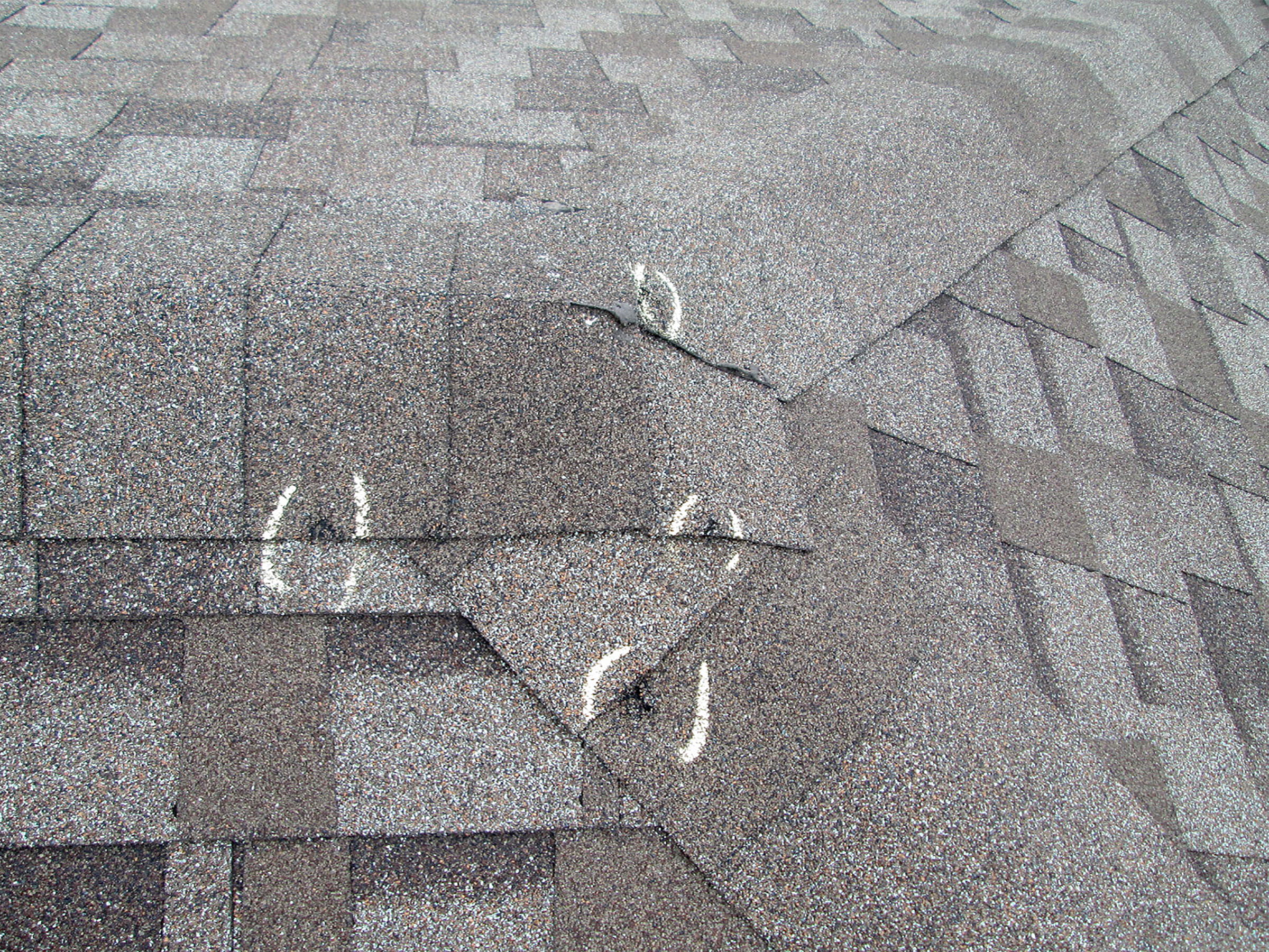
Not all hail damage looks the same, and some of the most serious damage is easy to miss without knowing what to look for. Understanding the difference between storm impact and normal wear helps you act quickly and gives you a clearer picture of what your roof actually needs.
| Damage Type | What You See | Why It Matters |
|---|---|---|
| Granule loss | Dark, bare patches or dents on shingle surface | Exposes the asphalt layer to water and UV breakdown |
| Shingle cracking | Splits or fractures across the shingle body | Allows water to reach the underlayment and the roof deck below |
| Spatter marks | White or oxidized spots on shingles and metal parts | Confirms impact points and helps document damage density |
| Flashing displacement | Lifted or shifted metal around vents and chimneys | Opens gaps where water enters, especially during wet springs |
| Soft spots on shingles | Areas that feel spongy or give under light pressure | Indicates impact damage to the material beneath the surface |
Roofs over 10 years old are more likely to show these signs across a wider area after a single storm, since older shingles have less flexibility to absorb impact. Michigan insurers typically look for a consistent pattern of impacts across the surface of the roof when reviewing claims, so thorough documentation of what you find matters from the start.
Hail can crack shingles in ways that let water reach the underlayment and wooden roof decking below, even when the surface damage looks minor. Paramount Roofing addresses damage at every layer, not just what is visible from the outside, so hidden moisture problems do not quietly get worse over time.
Windstorms common to southeast Michigan often shift or lift flashing around vents, chimneys, and skylights, and hail hits the same areas hard. Resealing or replacing displaced flashing is included as part of the repair so your roof does not have open gaps waiting for the next rainstorm.
When shingles need to be replaced, you have the option to upgrade to impact-resistant shingles that are rated to handle hailstones better than standard asphalt. For homes in Sterling Heights where severe storms come around multiple times a year, that upgrade can reduce the likelihood of repeat damage from future hailstorms.
Hail storms push granules, broken shingle material, and debris into gutters, which can block drainage and back water up toward your roofline. Clearing that debris is part of leaving your home in solid shape after repairs, since clogged gutters can turn a repaired roof into a new leak problem with the next heavy rain.
Sterling Heights sees severe storms roll through more often than most homeowners realize, and the wet springs and cold winters that follow give any unaddressed damage plenty of opportunity to become a much bigger problem. Taking care of hail damage quickly protects your home's structure, keeps repair costs from climbing, and helps maintain the value of your property over time. If your roof is already more than a decade old, getting it inspected sooner rather than later puts you in a much better position heading into the next storm season.
Paramount Roofing has worked with homeowners across Sterling Heights and understands what local roofs go through year after year. Whether you spotted something after a recent storm or just want to know where things stand, reaching out for an inspection is a straightforward first step. We will give you an honest picture of what your roof needs and help you move forward with confidence.
Got questions about your roof? We’ve got answers. From maintenance tips to insurance claims and repair timelines, our FAQ section covers the most common concerns homeowners have. Get informed and make confident decisions about protecting your home.
The answer often comes down to two things: the age of your roof and how consistently the damage is spread across it. A newer roof with damage concentrated in a few areas is usually a good candidate for targeted repairs, while an older roof showing widespread impact across most surfaces may need full replacement. Michigan insurers also look at impact density across the roof when reviewing claims, so a thorough inspection that maps the full pattern of damage helps clarify which direction makes the most sense for your situation.
A lot of hail damage is not obvious at first glance, and some of it does not show up as a visible leak for weeks or even months. Cracked shingles, bruised granule areas, and displaced flashing can let moisture in gradually, and the effects, like curling shingles or saturated attic insulation, build up over time rather than appearing overnight. That slow progression is part of why getting a roof inspection done shortly after a storm gives you a much clearer picture than waiting until something goes wrong inside your home.
Wind that accompanies storms in this region can lift shingle edges and shift flashing before a single hailstone lands, which leaves those areas far more exposed when hail does hit. A shingle that has been partially lifted by wind uplift absorbs hail impact differently than one lying flat, and the damage underneath tends to be more severe than the surface suggests. When both wind and hail hit the same roof, the inspection needs to account for both, since a repair that only addresses visible hail marks can miss the flashing gaps and lifted edges that are actually letting water in.

#1 Top Rated
100% Satisfaction Guarantee
2100+ Projects Completed
Your Local Roofing Experts in Romeo, MI