 Free Estimate
 Request Service
 Locations
Commercial Skylight Installation: A Complete Guide
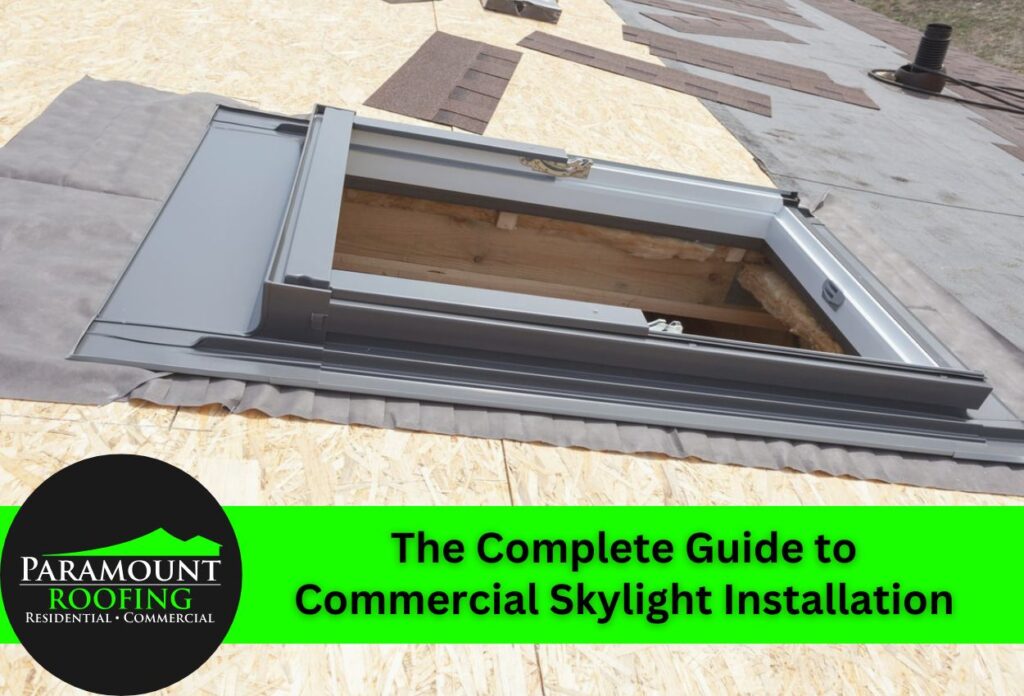
Commercial skylight installation brings natural light into business spaces, reducing energy costs while improving employee productivity and customer experiences. Whether you’re managing a retail store, office building, or industrial facility, properly installed skylight systems deliver measurable returns through reduced lighting expenses and enhanced working environments.
Understanding the commercial skylight installation process helps property owners make informed decisions about this significant investment. From initial planning and material selection to navigating building codes and ensuring long-term performance, each phase requires careful attention to detail and expertise.
Planning Your Commercial Skylight Installation
Thorough planning creates the foundation for successful commercial skylight installation. Begin with a comprehensive structural evaluation by qualified contractors who can assess whether your roof structure supports the additional load. These professionals identify optimal placement that maximizes natural light distribution while avoiding conflicts with existing HVAC systems, electrical conduits, and other mechanical equipment.
Critical Planning Factors:
| Consideration | Why It Matters |
|---|---|
| Roof pitch | Affects water drainage, snow accumulation, installation complexity |
| Building orientation | Determines sun exposure patterns throughout the day |
| Interior layout | Influences light distribution and how many skylights you need |
| Existing mechanicals | May require relocation or design adjustments |
Regional climate conditions demand careful material selection during the planning phase. Areas with heavy snow loads, intense sun exposure, or significant temperature extremes stress skylight systems differently than moderate climates. Your commercial skylight installation team should factor in local weather patterns when recommending specific products and configurations.
Budget planning extends beyond initial installation costs. Consider long-term energy savings that quality skylight systems deliver, potential tax incentives for energy-efficient building improvements, and maintenance requirements over the system’s expected lifespan. Early consultation with experienced contractors familiar with local building codes ensures your project meets all regulatory requirements while maximizing the benefits of natural daylighting.
Selecting the Right Skylight System
Different commercial applications require specific skylight configurations. Dome skylights provide excellent durability and weather resistance, making them ideal for variable climates. Pyramid skylights offer architectural appeal while maximizing light entry. Ridge skylights work well for warehouses and large industrial spaces, while modular systems provide flexibility for custom configurations across various roof types.
Material Performance Comparison:
| Material | Light Transmission | Impact Resistance | Lifespan | Best For |
|---|---|---|---|---|
| Acrylic | Excellent (85-90%) | Good | 10-15 years | Budget-conscious projects |
| Polycarbonate | Very good (80-85%) | Excellent | 15-20 years | Areas prone to hail damage |
| Glass | Superior (90-95%) | Moderate | 25+ years | Premium installations |
Performance metrics guide material selection for commercial skylight installation. U-factor measurements indicate insulation efficiency—lower numbers mean better thermal performance. Visible light transmission percentages show how much natural light passes through. Solar Heat Gain Coefficient (SHGC) values determine how much solar radiation enters your building.
For climates with significant seasonal variations, dual or triple-glazed systems with thermal breaks deliver optimal performance. Low-E coatings further enhance energy efficiency by reflecting infrared radiation while allowing visible light to pass through. These features help manage heating and cooling costs while maximizing natural light year-round. Your commercial roofing contractor can recommend specific configurations based on your building’s unique requirements and budget constraints.
Building Codes and Permit Requirements
Commercial skylight installation requires permits and compliance with multiple regulatory frameworks. Property owners must submit detailed plans to local building departments showing structural modifications, material specifications, and energy code compliance. Working with contractors experienced in your area’s regulatory environment streamlines the permitting process and prevents costly delays.
Essential Regulatory Compliance Areas:
- Fire safety standards requiring specific flame spread ratings
- Structural load calculations proving roof can support skylight systems plus snow accumulation
- Energy code requirements for U-factors and Solar Heat Gain Coefficients
- Integration requirements with building management systems
- Emergency egress considerations for certain building types
Safety certifications ensure your commercial skylight installation meets industry standards. Products must carry testing labels from recognized organizations demonstrating they withstand wind loads, impact resistance, and thermal cycling. Building officials verify these certifications during plan review and final inspection.
Fire safety represents a critical compliance area. Skylights must not compromise building fire compartmentalization or reduce required fire resistance ratings. Special glazing or strategic placement may be necessary to maintain fire safety while achieving your daylighting goals. Contractors familiar with commercial installations understand these requirements and design systems that satisfy all applicable codes without unnecessary complexity or expense.
Energy efficiency standards continue evolving, with stricter requirements for commercial buildings. Recent code updates mandate specific performance levels for glazing systems, pushing toward higher-efficiency products. Some jurisdictions require integration with automated building controls to optimize energy performance throughout the day and across seasons. Professional commercial skylight installation teams stay current with these changing requirements to ensure your project meets all standards.
The Installation Process Step by Step
Commercial skylight installation follows a systematic approach ensuring structural integrity and weather performance. The process begins with roof preparation, where installers evaluate the designated area for any existing damage or structural weaknesses. This includes checking for water infiltration, deteriorated roof membranes, and compromised structural members that could affect the installation.
Installation Sequence:
- Site preparation – Set up safety equipment, protect interior spaces below work area
- Opening creation – Use specialized cutting equipment to create precise roof openings
- Structural bracing – Install temporary supports to maintain roof integrity during cutting
- Curb installation – Build elevated curb system that raises skylight above roof surface
- Waterproofing layers – Apply multiple flashing layers in specific overlapping sequence
- Skylight mounting – Secure unit to curb using manufacturer-specified fasteners
- Interior finishing – Install well liners, trim, and any required light control systems
- Testing – Conduct water tests to verify complete weather sealing
Creating the roof opening requires precision cutting equipment and techniques that differ significantly from residential work. Commercial contractors use industrial-grade saws and bracing systems to maintain structural stability throughout the cutting process. The opening dimensions must exactly match skylight specifications to ensure proper fit and performance.
Curb installation elevates the skylight above the roofline—critical for preventing water pooling during heavy rain and snow. The curb height typically ranges from 6 to 12 inches depending on roof slope and local snow load requirements. Proper curb construction creates a secure mounting surface while directing water away from the skylight perimeter.
Waterproofing represents the most crucial phase of commercial skylight installation. Multiple layers of flashing are applied using specific overlapping techniques that create a watertight seal. Commercial installations require more robust waterproofing than residential projects due to larger opening sizes and flatter roof pitches common in business buildings. Final steps include installing interior finishing elements and conducting thorough leak testing to ensure the system performs reliably through diverse weather conditions.
Maximizing Your Investment
Quality commercial skylight installation delivers substantial returns through multiple channels. Energy savings represent the most immediate benefit, with properly installed systems reducing artificial lighting needs by up to 80% during daylight hours. This natural light integration significantly lowers electricity costs for businesses facing rising utility rates.
Documented Benefits Beyond Energy Savings:
- Employees working under natural light show 15-20% higher productivity
- Retail customers spend more time and money in naturally lit spaces
- Reduced absenteeism in workplaces with abundant natural light
- Improved employee satisfaction and retention rates
- Enhanced property values for buildings with quality daylighting
Modern skylight systems include technological enhancements that maximize performance and control. Automated shading systems respond to external conditions, optimizing light levels throughout the day. Smart glass technology transitions from clear to tinted based on sunlight intensity, preventing overheating during summer while maintaining light transmission during overcast conditions.
Integration with building management systems enables commercial property owners to coordinate skylight operation with HVAC units and artificial lighting systems. This holistic approach to building automation optimizes energy performance by reducing mechanical cooling when natural ventilation through operable skylights suffices. These technological enhancements, when installed by qualified contractors, ensure businesses receive maximum return on their skylight investment.
The productivity gains alone often justify commercial skylight installation costs within 3-5 years. When combined with energy savings and potential property value increases, the financial case becomes even more compelling. For businesses committed to employee wellness and operational efficiency, quality skylights represent a strategic investment in long-term success.
Maintaining Your Skylight System
Proper maintenance preserves commercial skylight installation performance and extends system lifespan. Establish a comprehensive maintenance schedule including quarterly visual inspections to check for debris accumulation, sealant deterioration, and signs of water infiltration. Bi-annual professional cleanings maximize light transmission while providing opportunities to evaluate overall system condition.
Common Issues and Solutions:
| Issue | Symptoms | Typical Solution |
|---|---|---|
| Condensation buildup | Water droplets on interior surface | Improve interior ventilation systems |
| Seal failures | Water stains on interior finishes | Professional resealing or flashing repair |
| Impact damage | Cracks or chips in glazing | Glazing panel replacement |
| Thermal stress cracks | Fine cracks from temperature changes | Panel replacement with improved glazing |
In regions with significant snowfall, snow removal from surrounding roof areas may be necessary to prevent excessive weight on skylight systems. Professional maintenance providers understand proper snow removal techniques that protect skylight integrity while addressing safety concerns. Improper snow removal can damage glazing, frames, or mounting systems, creating expensive repair needs.
Understanding warranty coverage protects your commercial skylight installation investment. Most installations include manufacturer warranties for materials and separate labor warranties from contractors. Warranty terms typically range from 10 to 20 years for materials, with labor coverage spanning 1 to 5 years depending on the contractor. Maintaining detailed service records and scheduling professional inspections at recommended intervals preserves warranty validity while identifying potential issues before they develop into expensive problems.
Professional maintenance contracts provide peace of mind for busy property managers. These agreements typically include scheduled inspections, cleaning, minor adjustments, and priority service for unexpected issues. For commercial properties with multiple skylights, maintenance contracts deliver better value than reactive service calls while ensuring systems continue delivering aesthetic benefits and energy savings for decades.
Paramount Roofing brings extensive experience in commercial skylight installation for business properties. Our team handles every project phase from initial assessment through final testing, ensuring installations meet building codes while maximizing natural light benefits. Contact Paramount Roofing at (586) 690-0227 to schedule your consultation and discover how quality skylight systems can transform your commercial space.
Related Articles
-
 July 7, 2025How to Prevent Skylight Leaks: Waterproofing Tips for Michigan HomeownersTired of water damage? Learn how to stop skylight leaks with maintenance and waterproofing tips to protect your home.
 -
 June 12, 2024Why Choose Skylights For Your Home?Allowing natural light and a new aesthetic, skylights are the perfect addition to residential roofs. Learn how they can enhance your roof today.
 -
 January 21, 2026How Long Does Skylight Installation Take: Your Complete Project Timeline GuideHow long does skylight installation take? Learn the timeline from one-day installs to multi-day projects so you can plan ahead.
Protect Your Home with Expert Roofing
Don’t wait for leaks or storm damage to cause costly repairs. Our experienced roofing team provides fast, reliable service, high-quality materials, and lasting results. Ensure your home stays safe, secure, and looking great—contact us today for a free estimate.