Request Service
 Locations

- 100+ Years Of Combined Experience
- BBB Accredited With A+ Rating
- Award-Winning Roofing Company In Metro Detroit


 Free Estimate
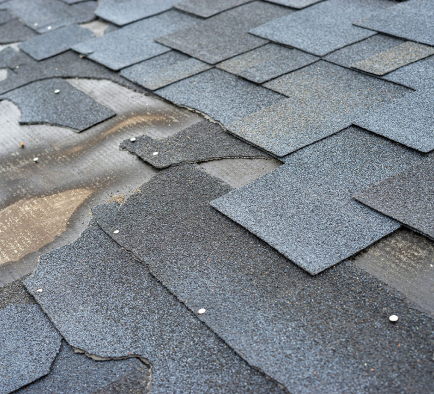
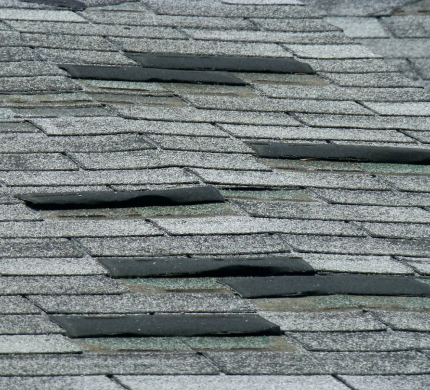
Rochester Hills winters are no joke. From late November into early April, your roof faces repeated temperature changes, heavy snow, ice buildup, and stretches of wet weather that seem to never let up. Throw in spring and summer windstorms that can strip shingles or lift flashing, and you have a market where roof damage can happen fast and at almost any time of year. When that damage hits, even a small opening in your roof can turn into an active leak quickly, especially with over 120 days of precipitation spread across the calendar year. The longer that opening sits exposed, the more water finds its way into your attic, insulation, and ceiling.
That is where emergency roof tarping comes in. A properly installed tarp is not a permanent fix, but it’s the right first step when your roof has been compromised and a full repair cannot happen right away. It stops water from entering, protects the interior of your home, and buys the time needed to get a permanent solution in place without rushing into it. Paramount Roofing provides emergency tarping for homeowners across Rochester Hills, covering a wide range of roof designs, materials, and ages, from older mid-century homes to newer subdivision builds. Fast response and secure installation matter here, and that is exactly what this service is built around.
Roof damage can leave a home exposed before you have a chance to determine how serious the problem is. Paramount Roofing focuses first on containing that exposure, then evaluates the roof and explains the path toward permanent repairs.
Not every roof situation calls for the same approach. The type of damage, your roof's age, and the weather conditions coming up all shape how a tarp gets installed and how long it needs to hold. Rochester Hills sees a wide range of roof damage throughout the year, and knowing what qualifies for emergency tarping helps you act quickly when something goes wrong.
| Damage Type | Common Cause | Why Fast Tarping Matters |
|---|---|---|
| Missing or lifted shingles | High winds, spring and summer storms | An open roof deck surface allows water in with each rainstorm |
| Lifted or separated flashing | Wind, age, or ice buildup | Water channels directly into wall and ceiling cavities |
| Puncture or impact damage | Fallen branches, hail | Even a small hole stays active through repeated wet days |
| Ice-related leaks | Repeated temperature changes near eaves | Snowmelt continues entering while temperatures stay low |
In each of these situations, a tarp buys you the time to get a permanent repair scheduled without letting the damage spread further. Rochester Hills roofs face wet conditions across much of the year, so an unprotected opening rarely stays dry long enough to wait out a repair on its own. Fast installation and secure fastening are what make the difference between a contained problem and a much bigger one.
Not all tarps are created equal. We use thick, reinforced polyethylene tarps rated to hold up through repeated temperature changes, heavy snow, and wind exposure, because a lightweight tarp that tears loose in February just creates a second emergency on top of the first.
A tarp is only as good as what is holding it down. We use battens, screws, and anchor boards to secure the edges firmly to the roof deck, keeping the tarp from shifting, pooling water, or peeling back when Rochester Hills wind picks up between now and your permanent repair date.
We size the tarp to cover not just the visible damage but the area around it, because water does not travel in a straight line once it gets under a compromised surface. Cutting a tarp too small leaves vulnerable edges exposed and risks letting leaks continue from areas that looked fine at first glance.
When your ceiling is actively dripping, or a storm just tore through your neighborhood, waiting until the next business day is not a real option. Our emergency tarping service is available for same-day response so your home gets protected before the next rainstorm or overnight temperature drop makes things worse.
Rochester Hills roofs take a beating across all 4 seasons, and the window between damage and a leak that is getting worse can be short. Whether a windstorm stripped shingles in July or an ice-related leak opened up in February, getting a tarp in place quickly protects your home from the kind of water damage that turns a straightforward repair into a much larger project. Acting fast while weather conditions remain unpredictable is simply the practical move.
Paramount Roofing is ready to help when your roof cannot wait. If you have active damage or a vulnerable area that needs temporary protection before a permanent repair can be completed, reaching out sooner rather than later keeps your options open and your home dry. Give us a call or fill out the contact form, and we will get someone out to you quickly.
Got questions about your roof? We’ve got answers. From maintenance tips to insurance claims and repair timelines, our FAQ section covers the most common concerns homeowners have. Get informed and make confident decisions about protecting your home.
A properly installed heavy-duty tarp can hold through a full Rochester Hills winter when it’s fastened correctly and sized to cover the entire damage zone. The real risk is not the tarp material itself but movement caused by wind and the weight of accumulated snow pulling on loose edges. We install tarps with battens and anchor boards specifically to keep them stable through the kind of repeated temperature changes and snowstorms this area sees from late fall into early spring. If your permanent repair is scheduled weeks out, we factor that timeline into how the tarp is secured from the start.
Yes, and it matters more than most homeowners expect. Rochester Hills has housing that ranges from older mid-century homes with lower-slope roofs to newer subdivision builds with steeper pitches, and those differences change how a tarp gets anchored and how water sheds off of it. A low-slope roof requires extra attention to pooling, since water sitting on a flat or nearly flat surface will work its way under a tarp that is not sealed at the edges. We adjust our fastening approach and coverage area based on what we find on your specific roof rather than using a one-size approach.
Keep an eye on the ceiling and walls directly below the tarped area, and note any new staining, soft spots, or dripping that appears after rain or snowmelt. If water is already sitting in your attic insulation, it can continue causing damage even after the tarp is in place, so checking up there periodically is worth the effort. Place buckets or absorbent materials under any active drip points and avoid running ceiling fans directly below the affected area if there is any chance of moisture in the ceiling material above. The tarp protects the exterior opening, but moisture already inside the structure needs to dry out before permanent repairs are complete.

#1 Top Rated
100% Satisfaction Guarantee
2100+ Projects Completed
Your Local Roofing Experts in Romeo, MI