Request Service
 Locations

- 100+ Years Of Combined Experience
- BBB Accredited With A+ Rating
- Award-Winning Roofing Company In Metro Detroit

 Free Estimate
Westland homeowners deal with a tough combination of weather conditions throughout the year. Cold winters bring heavy snow, wind, and freezing temperatures that can lift shingles, crack aging flashing, and open up small roof failures almost overnight. Then spring and summer arrive with their own problems, including fast-moving thunderstorms and stretches of heavy rainfall that can turn a minor roof issue into an active leak before you even realize damage has occurred. Older homes in Westland, many of which were built in the postwar era, tend to have roofing systems that are more vulnerable to these kinds of stress points, especially on low-slope sections, around attached garages, and near roof gaps where water finds its way in quickly once a shingle field is compromised.
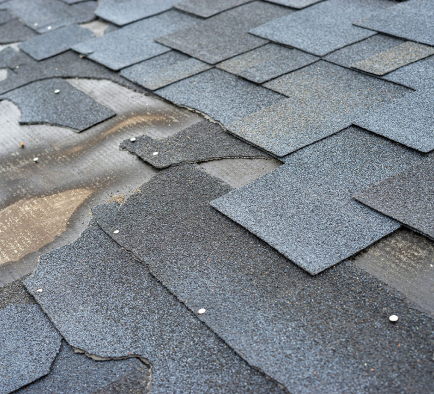
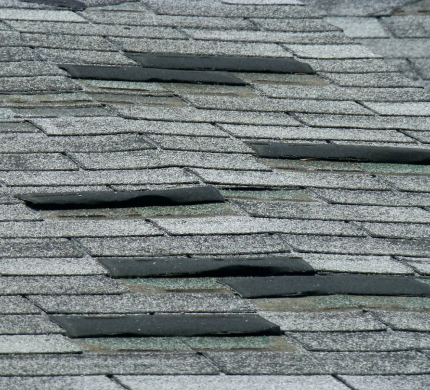
When your roof takes a hit from wind, a falling branch, or a storm that strips away shingles and exposes the underlayment beneath, every hour counts. Water does not wait, and neither do freezing temperatures. Getting a heavy-duty tarp secured over the damaged area right away is often the difference between a contained repair and a much larger, more expensive problem inside your home. Paramount Roofing responds quickly to roof emergencies across Westland because we understand how fast conditions can change here and how much older housing raises the stakes when a roof is left exposed even briefly.
A roof emergency requires immediate protection followed by a close look at the damage. Paramount Roofing focuses first on limiting further exposure, then establishes what permanent work is actually necessary.
Not every roof issue is a true emergency, but some situations need a tarp in place before the next rain or temperature drop hits. Westland's weather patterns leave little room for delay, especially during storm season or in the middle of winter when a small opening can turn into a serious interior problem fast. Knowing what qualifies as an emergency helps you act quickly when it matters most.
If you spot any of these warning signs, the right move is to get a tarp secured before the next storm arrives, not after.
Not all tarps hold up the same way, and in Westland's mix of wind, rain, snow, and freezing temperatures, the material matters. We use thick, reinforced tarps rated to handle the weight of standing water and the pull of wind-driven conditions, so the temporary cover does its job until permanent repairs are complete.
A tarp that lifts during the next storm offers no real protection at all. We secure the edges and perimeter using methods that resist wind uplift and keep the tarp from shifting over older roof assemblies, low-slope sections, and irregular roof shapes common on Westland homes.
Ridges, valleys, eaves, and areas around roof gaps are the spots where water enters fastest once a roof is compromised. Our tarping specifically covers these transition zones, not just the most visible damaged section, so you're protected at the points where leaks are most likely to develop.
Emergency damage does not wait for mild conditions, and Westland winters can make roof access difficult and materials less forgiving. Our crew is equipped to install and secure tarps safely in freezing temperatures, so you're not left waiting for a warm day while an open roof faces snow and ice.
Westland's winters and wet spring seasons give damaged roofs very little time before water finds its way inside. Older single-family homes in the area tend to have roofing systems that are already under pressure from years of temperature changes, wind, and heavy seasonal rainfall. Getting a tarp secured quickly keeps a manageable situation from turning into a much larger repair, and it protects the interior of your home while a permanent fix is planned and scheduled.
Paramount Roofing is ready to respond when your roof needs immediate protection. Whether damage happened overnight or you spotted something after a storm passed through, the next step is simple: reach out and let us take a look. We will get to your home quickly, secure the area, and walk you through exactly what needs to happen next. There is no pressure, just straightforward help from a local team that knows Westland roofs well.
Got questions about your roof? We’ve got answers. From maintenance tips to insurance claims and repair timelines, our FAQ section covers the most common concerns homeowners have. Get informed and make confident decisions about protecting your home.
A properly secured, heavy-duty tarp can hold through winter conditions, including snow, wind, and freezing temperatures, but it’s always a temporary measure, not a permanent repair. The bigger concern in Westland winters is ice formation along roof edges, where meltwater can refreeze and push moisture under the tarp if the edges are not fastened tightly. The goal is to get the tarp in place fast and schedule permanent repairs as soon as conditions allow so you are not relying on it through an entire cold season.
Yes, and it’s something most homeowners do not think to ask about. Older roofs common in Westland's postwar neighborhoods often have brittle shingles, aging roof decking, and worn flashing that require extra care when fastening a tarp so the installation does not cause additional damage to already fragile materials. A tarp secured the same way on a 15-year-old roof and a 60-year-old roof will behave very differently, and an experienced crew adjusts the fastening method and coverage area based on what they find on your specific roof.
This is a real concern in Westland, especially during spring and summer when fast-moving storms can roll through with little warning. After installation, you should check the tarp visually from the ground after any bad wind or rain storm to confirm it has not shifted or lifted at the edges. If something looks off, call your contractor right away rather than waiting, because even a small coverage gap can let water in at the ridge, valley, or eave in a heavy rain.

#1 Top Rated
100% Satisfaction Guarantee
2100+ Projects Completed
Your Local Roofing Experts in Romeo, MI