Request Service
 Locations

- 100+ Years Of Combined Experience
- BBB Accredited With A+ Rating
- Award-Winning Roofing Company In Metro Detroit

 Free Estimate
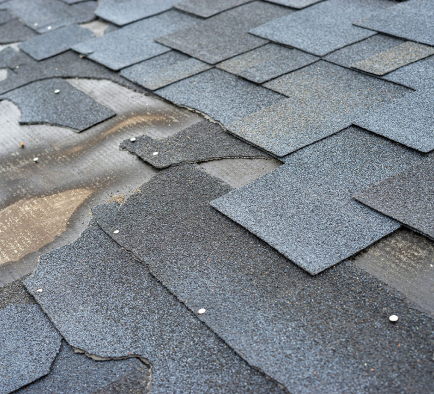
West Bloomfield gets hit from both directions. Winters bring temperatures that drop into the teens and 20s, roughly 40 inches of snow, and repeated cycles of melting and refreezing that put serious stress on shingles, flashing, and roof valleys. Then spring and summer arrive with thunderstorms that have pushed wind gusts into the 60 to 70 mph range and dropped quarter-size hail or larger across Oakland County. When that kind of weather catches a roof off guard, the damage rarely stays small. Water moves fast through an exposed deck or a section of lifted shingles, and every hour of delay means more of your home’s interior is at risk.
That’s exactly where emergency roof tarping becomes one of the most important steps you can take. A properly secured tarp stops the bleeding. It keeps rain, snowmelt, and wind-driven moisture out of your attic and wall assemblies until permanent repairs can be completed. West Bloomfield’s housing stock includes a lot of complex rooflines with dormers, chimneys, multiple slopes, and valley intersections, and those are precisely the spots where temporary coverage has to be done right, or it won’t hold.
Paramount Roofing works with homeowners and property managers across West Bloomfield who need fast, reliable protection after storm damage. We know the rooflines here, we know the weather patterns, and we respond quickly because waiting is not an option when your roof is open.
A tarp can keep a damaged roof protected for the short term, but it does not resolve what caused the damage in the first place. Paramount Roofing addresses the exposed areas first, then examines the roof closely to determine what permanent work may be needed.
Not every roof situation calls for the same approach. Understanding what emergency tarping actually addresses helps you make faster decisions when damage happens and time is working against you.
| Damage Type | What It Looks Like | Why Tarping Matters |
|---|---|---|
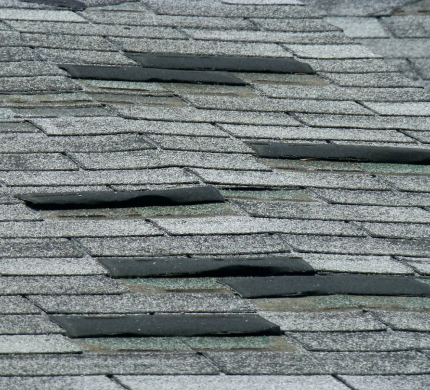
| Lifted or missing shingles | Exposed decking visible after wind or hail | Open deck absorbs water quickly without coverage |
| Damaged flashing | Separated metal around chimneys or valleys | Water channels through gaps directly into the structure |
| Punctures or impact damage | Holes from fallen branches or large hail | Even small openings allow fast water travel into the attic |
| Ice dam related openings | Lifted shingles or cracked edges along eaves | Repeated temperature changes worsen exposure between repairs |
| Failed roof intersections | Leaks at dormers, valleys, or slope changes | Complex rooflines allow water to travel far from the source |
West Bloomfield’s rooflines tend to be more involved than a simple gable, and that complexity matters when water finds its way in. A small opening near a chimney or valley can send water deep into wall assemblies before you ever see a stain on your ceiling. Emergency tarping covers the entry point quickly so the damage stops where it started, giving permanent repairs a cleaner and more manageable starting point.
Not every tarp is right for every job. We match tarp weight and size to the specific damage on your roof, whether that means covering a small puncture near a chimney or protecting a wider section of exposed decking after major wind or hail damage.
A tarp that shifts or peels back in the next rainstorm offers almost no protection. We anchor tarps with weighted boards and fasteners designed to keep coverage in place through West Bloomfield’s wind gusts, heavy rain, and the repeated freeze and refreeze conditions that come with late winter and early spring weather.
Damage is rarely contained to one clean spot, especially on roofs with multiple slopes, dormers, and penetrations. We extend tarp coverage beyond the visible entry point to protect surrounding shingles and flashings that may be weakened or at risk of failing before permanent repairs are made.
Once the roof is covered, we take a quick look at accessible attic areas to check for signs of water that made it inside before we arrived. Catching early moisture in your attic or near wall assemblies helps you address it before it becomes a bigger problem down the road.
West Bloomfield’s weather doesn’t follow a predictable schedule. Rain and snow show up across almost every season, and the stretch from late winter through fall brings repeated opportunities for roofs to take on water after a single bad storm. For homeowners and property managers dealing with an exposed or damaged roof, the gap between when damage happens and when permanent repairs begin is the window that matters most. A properly installed tarp closes that window and keeps moisture out of your attic, walls, and living spaces until the right fix can be made.
If your roof has taken damage and you’re not sure what to do next, reaching out to Paramount Roofing is a good first step. We know West Bloomfield’s rooflines, we know what the weather here demands, and we’re ready to respond quickly when your home needs protection. You don’t have to have all the answers before you call. Just tell us what you’re seeing, and we’ll take it from there.
Got questions about your roof? We’ve got answers. From maintenance tips to insurance claims and repair timelines, our FAQ section covers the most common concerns homeowners have. Get informed and make confident decisions about protecting your home.
A professionally installed tarp, anchored with weighted boards and secure fasteners, is built to handle repeated snow, wind, and refreezing conditions. That said, late winter and early spring in West Bloomfield put more stress on temporary coverings than most other seasons because of how often temperatures swing above and below freezing. We check the coverage points carefully before we leave, and if conditions change significantly before your permanent repair is scheduled, it’s worth having someone take another look to confirm the tarp is still seated correctly.
It does, and it is one of the more important details that gets overlooked on complex rooflines. Water does not stay where it enters. On a roof with multiple slope changes, dormers, or chimney intersections, it can travel several feet before showing up as a stain or drip inside your home. We extend coverage past the visible damage point to account for how water moves on your specific roof, rather than just covering the obvious opening.
If a second storm affects an area that was not part of the original tarping, that section may be unprotected and should be looked at right away. Tarps are sized and positioned based on the damage we can identify during our initial visit, so a new impact point somewhere else on the roof falls outside that coverage. Calling us back quickly gives us a chance to extend protection before additional water gets into areas that were not previously at risk.

#1 Top Rated
100% Satisfaction Guarantee
2100+ Projects Completed
Your Local Roofing Experts in Romeo, MI