Request Service
 Locations

- 100+ Years Of Combined Experience
- BBB Accredited With A+ Rating
- Award-Winning Roofing Company In Metro Detroit


 Free Estimate
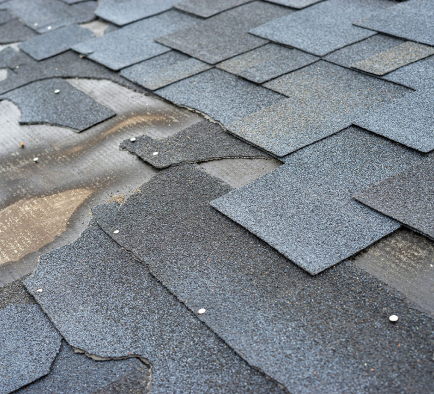
Warren sees rain, wind, snow, and rapid temperature changes across nearly every season, and that combination puts older roofs under real pressure. With a large share of the housing built between the 1950s and 1970s, many homes in this city are working with aging shingles and worn flashing that were never designed to hold up indefinitely. When a storm moves through, or temperatures swing hard around freezing, those weaker spots are often the first to fail, and once the roof is open to the weather, water can reach your underlayment and interior ceilings faster than most homeowners expect.
Emergency roof tarping is the fastest way to protect your home after that kind of damage. A properly secured tarp covers the exposed area and keeps rain and moisture out while you arrange permanent repairs. It’s not a long-term fix, but it’s an important one because the difference between acting quickly and waiting can mean the difference between a straightforward repair and a much larger, more expensive project.
Paramount Roofing works with homeowners across Warren who need fast, reliable temporary protection after storm damage, ice-related failures, or windstorms. The goal is simple: get your roof covered quickly, reduce the risk of further water damage, and give you time to plan the right permanent solution without the pressure of an open roof over your head.
Sudden roof damage can leave the most immediate question unanswered: how do you keep the home protected until the underlying problem can be repaired? Paramount Roofing first contains the exposure, then evaluates the damage and helps you move toward a permanent solution.
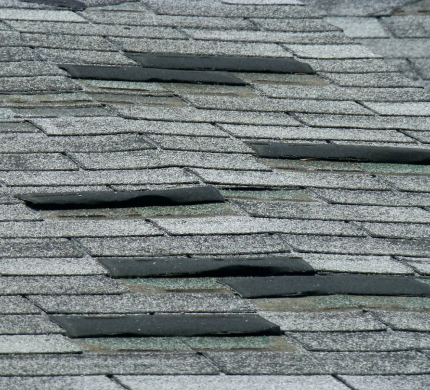
Not every roof situation is a true emergency, but Warren’s weather makes it easier to cross that line than homeowners expect. Between spring storms that arrive fast, wet snow that refreezes overnight, and windstorms that can lift shingles off mid-century roofs with little warning, the window between minor damage and a serious leak problem can be surprisingly short. Knowing what typically drives the need for emergency tarping here can help you act quickly when it matters.
| Damage Cause | Why It Happens in Warren | Tarping Urgency |
|---|---|---|
| Wind uplift | Aging shingles lose their seal and lift during strong gusts | High: open roof area exposed immediately |
| Ice dam leaks | Rapid temperature changes cause melt and refreeze cycles that push water under shingles | High: water can reach underlayment fast |
| Storm debris impact | Fallen branches or hail crack shingles and open the roof surface | High: if structure is breached |
| Wet snow and refreezing | Heavy wet snow settles and reopens weak points when it melts and refreezes | Moderate to high: depending on leak location |
| Heavy spring rain | Sustained rainfall finds gaps in worn flashing on older roofs | Moderate: gets worse quickly without coverage |
Warren’s older housing plays a real role here. Roofs from the 1950s through 1970s often have worn flashing and brittle shingles that fail under conditions that a newer roof might handle without issue. Temporary tarping keeps water out while you figure out the full scale of the problem, and that window matters more than most people realize.
Not all tarps are built for Warren’s weather, where summer heat and winter cold can both stress a temporary cover within the same season. We use heavy-duty polyethylene tarps with reinforced edges and grommets that hold up through rain, wind, and repeated temperature changes without cracking, tearing, or pulling loose.
A tarp that shifts or flaps in the wind can cause as much damage as no tarp at all, especially on older wooden roof decking common in Warren’s mid-century homes. We anchor tarps using battens and fastening methods that distribute weight without punching unnecessary holes through your existing roofing materials.
Water does not always travel straight down, and limiting tarp coverage only to the area of obvious damage can leave adjacent sections exposed. We size and position every tarp to cover the damaged zone plus enough surrounding area to account for wind-driven rain and water migration across the surface of the roof.
Once the roof is covered, the focus shifts to limiting any water that may have already reached your attic or ceiling before we arrived. We flag signs of active moisture inside the structure so you know where to watch for secondary damage while the tarp is in place and before permanent repair work is scheduled.
Warren’s weather is hard on older roofs year-round, and the gap between a small breach and a larger water problem closes faster than most homeowners expect. Whether damage happens during a spring storm, a winter freeze, or a summer thunderstorm, getting a tarp in place quickly is what keeps that first breach from becoming a much more expensive repair. For homes built in earlier decades with aging materials already under stress, that timing matters even more.
If your roof has been opened by wind, falling debris, or ice-related damage, Paramount Roofing is ready to help you get it covered fast. Reach out when you are ready, and we will take it from there.
Got questions about your roof? We’ve got answers. From maintenance tips to insurance claims and repair timelines, our FAQ section covers the most common concerns homeowners have. Get informed and make confident decisions about protecting your home.
Heavy-duty polyethylene tarps are rated for weather exposure, but wet snow is denser than it looks, and the real concern is how the tarp is fastened rather than the material itself. A tarp that is properly battened and anchored across the full damaged area will shed most of what Warren winters throw at it, while a loosely secured cover can trap snow and create pooling that adds unnecessary stress to an already weakened section of roof. If a bad storm is expected while your tarp is in place, it’s worth calling us to verify the setup is still holding before conditions get worse.
Many Warren homeowners assume damage is surface-level because they only see a few lifted shingles or a small crack, but water moves quickly through aging roof decking material and can reach interior framing or ceiling drywall before it shows up as a visible stain. Signs to watch for include soft spots or discoloration in your attic insulation, musty odors in upper rooms, and bubbling or dark patches on ceiling surfaces. During our on-site inspection, we look specifically at the roof decking below the damaged area to give you a clear picture of how far water has traveled before we sealed things up.
Emergency tarping is a temporary protective measure, not a structural change, so it generally does not trigger permit requirements in Warren or the broader Macomb County area. Permit requirements in this area tend to apply when roof work involves changes to framing, roof geometry, or structure, none of which are part of a temporary cover installation. That said, if your damage is extensive enough that permanent repairs will involve removing and replacing large sections of roof decking or altering how the roof is built, that follow-up work may be a different conversation with your local building department.

#1 Top Rated
100% Satisfaction Guarantee
2100+ Projects Completed
Your Local Roofing Experts in Romeo, MI