Request Service
 Locations

- 100+ Years Of Combined Experience
- BBB Accredited With A+ Rating
- Award-Winning Roofing Company In Metro Detroit


 Free Estimate
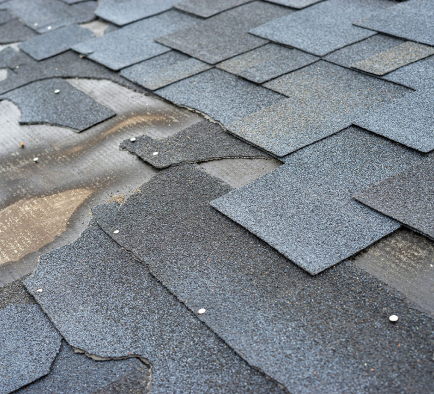
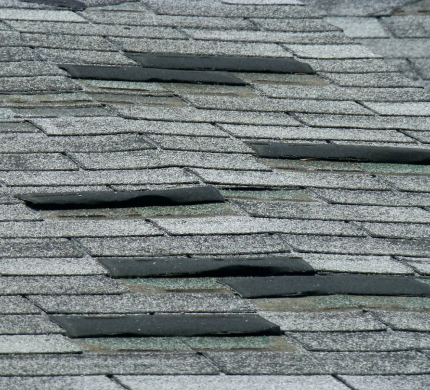
Sterling Heights sits in a weather corridor that keeps roofs working hard year-round. Winters bring heavy snow, ice buildup, and temperature changes that can crack aging shingles and open up small leak paths overnight. Spring and summer bring a different kind of punishment, with severe thunderstorms capable of producing high winds and hail that can lift shingles, puncture roof coverings, and leave your home exposed before you even realize anything happened. With many homes in Sterling Heights built between the 1950s and 1980s, many roofs in this area already have worn shingles, aging flashing, and gaps nearing the end of their service life. Storm damage on an older roof can look minor from the ground, even as water finds its way inside.
That is exactly where emergency roof tarping becomes important. A properly secured tarp stops active leaks, protects your interior from further water damage, and buys your roof the time it needs before permanent repairs can be completed. Paramount Roofing works with homeowners across Sterling Heights who need fast, reliable coverage after storms or sudden roof failures. We know the local weather conditions, the housing in this area, and what it takes to protect an exposed roof against the wind and rain that can keep coming long after the initial damage occurs.
When your roof is damaged, knowing exactly what happens next makes the whole situation easier to handle. Here is a clear look at how Paramount Roofing moves from your first call to a fully protected roof.
Emergency roof tarping is a temporary measure, not a permanent fix, and understanding the difference helps you plan the next steps clearly. A secured tarp stops active leaks and protects your home while the roof waits for full repairs, but the damage underneath still needs to be addressed. In Sterling Heights, where storms can roll through repeatedly over the same season, a well-secured tarp may need to hold through heavy rain, wind gusts, and even early snowfall before permanent work can begin.
| Situation | What Tarping Does | What Comes Next |
|---|---|---|
| Wind lifts or removes shingles | Covers exposed roof deck to block rain and debris | Shingle repair or roof section replacement |
| Hail punctures roof covering | Seals breach points to prevent leaks from spreading | Full inspection to determine repair scale |
| Falling tree limb damages roof | Protects interior until structural review is done | Roof deck repair before any reroofing work proceeds |
| Ice or snow causes sudden failure | Provides coverage while temperatures stabilize | Flashing and shingle inspection for full damage picture |
One detail worth knowing: emergency tarping in Sterling Heights does not require the same permit process as a full reroof. Permanent replacement work does require a city permit, so tarping first allows you to stabilize the situation quickly while the proper permits are pulled for any major repair work that follows.
Not all tarps are built the same, and a lightweight cover will not hold up against the wind gusts and repeated rain or snow that Sterling Heights sees through its storm season and into winter. We use thick, reinforced tarping material designed to resist tearing, pooling water, and wind uplift so your roof stays protected between the emergency response and the permanent repair work.
A tarp that shifts or pulls loose during the next storm is not doing its job. We anchor tarps using methods that hold firm against wind without driving unnecessary fasteners into undamaged areas of your roof deck, keeping the covered surface in the best possible condition for the repair work ahead.
We size the tarp to cover the damaged section fully, including enough overlap on all sides to block wind-driven rain from getting under the edges. For older Sterling Heights homes with larger roof surfaces, getting the coverage area right matters, since a tarp that falls short of the damaged zone leaves leak paths open even when it looks covered from the ground.
Chimneys, vents, skylights, and flashing near a damaged area can become secondary leak points when a roof is already compromised. When we set the tarp, we account for these features so the coverage addresses the full risk zone, not just the most visible part of the damage.
Sterling Heights winters do not pause while you wait, and neither does wind-driven rain during storm season. If your roof has taken damage, getting it covered quickly is what keeps a manageable situation from turning into something much larger. Many homes in this area have roofs that have been holding up for decades, and when something finally gives way, acting fast protects everything underneath, from the roof deck to the ceilings and walls inside your home.
Paramount Roofing is familiar with this area, the weather patterns here, and the older housing that makes quick roof protection especially important. If your roof has been damaged and you need it covered, we are ready to help. Reach out when you are ready, and we will walk you through the next steps.
Got questions about your roof? We’ve got answers. From maintenance tips to insurance claims and repair timelines, our FAQ section covers the most common concerns homeowners have. Get informed and make confident decisions about protecting your home.
A properly secured, heavy-duty tarp can handle snow accumulation and repeated freeze and thaw conditions, but it’s not meant to sit through an entire winter without attention. The weight of wet snow and the movement that comes with temperature changes can shift or loosen a tarp over time, so checking it after bad storms is a good idea. If permanent repairs cannot happen before winter sets in, ask your contractor how the tarp is anchored and whether any follow-up is built into the plan.
It does, and this is something most homeowners do not think to ask. Older roofs, especially those common in Sterling Heights neighborhoods built in the 1960s and 1970s, often have brittle or worn roof decking underneath the shingles, which changes how fasteners can safely be placed without creating new damage. An experienced crew will adjust the anchoring approach based on what they find once they are up on the roof, rather than using a one-size-fits-all method that could leave the roof deck in worse shape.
The honest answer is as quickly as possible, because water does not wait. Even a small opening in a roof covering can allow several gallons of water into the structure during a single rainstorm, and once it reaches insulation, drywall, or wood framing, the repair scale grows fast. In Sterling Heights, where spring and summer storms can produce back-to-back rain in the same week, leaving an exposed area uncovered even for a day or two can turn a roof repair into a much larger project.

#1 Top Rated
100% Satisfaction Guarantee
2100+ Projects Completed
Your Local Roofing Experts in Romeo, MI