Request Service
 Locations

- 100+ Years Of Combined Experience
- BBB Accredited With A+ Rating
- Award-Winning Roofing Company In Metro Detroit


 Free Estimate
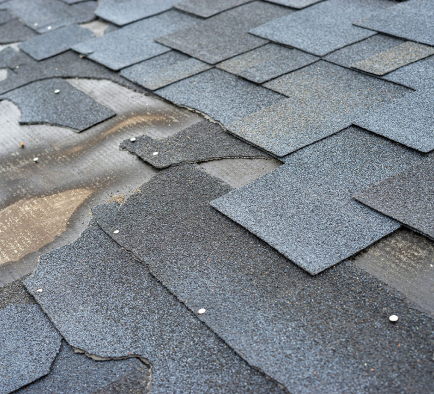
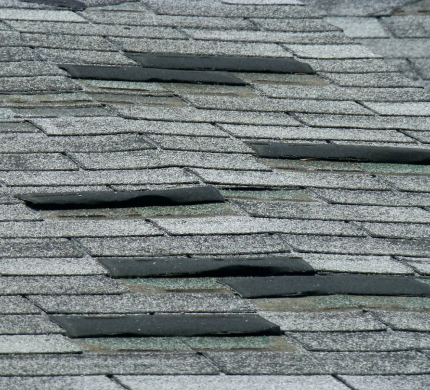
Rochester winters don't give damaged roofs much of a break. From November through early spring, a roof that's missing shingles or has exposed roof decking after a storm can take on water for days before the weather settles enough for permanent repairs. Northwest winds coming off Oakland County regularly lift shingles along ridge lines and roof edges, and once those openings are exposed, rain, meltwater, and wet snow find their way in fast. Homes throughout Rochester with dormers, attached garages, and multiple roof planes have more seams and transition points where water can sneak through after wind or branch damage, which means the risk isn't limited to one simple section of roof.
That's where emergency roof tarping becomes one of the most practical steps a homeowner can take. A properly secured tarp stops the bleeding, so to speak, giving you time to schedule a complete repair without watching the damage spread to your ceilings, insulation, or interior walls. Paramount Roofing has been responding to storm-damaged roofs across Rochester and the surrounding Oakland County area, and this service is built around one goal: getting your roof covered quickly before more moisture gets in.
Rochester also sees heavy rain during summer, so tarping isn't only a cold-weather concern. Any time a roof is compromised and a repair can't happen the same day, a well-fastened tarp is what stands between your home and a much bigger problem.
A damaged roof needs temporary protection first, followed by a clear assessment of what must be corrected permanently. The process is structured to limit additional exposure while giving you a straightforward understanding of the repair ahead.
Not every roof situation calls for the same approach, and knowing where your home is most at risk can help you act faster when damage happens. Rochester's mix of steep-pitched roofs, dormers, and attached garages creates more potential weak points than a simple single-plane roof, and certain damage types tend to expose those spots first.
| Damage Type | Common Cause in Rochester | Tarping Priority |
|---|---|---|
| Missing or lifted shingles | Northwest winds along ridge lines and roof edges | High: open roof deck exposed to rain and meltwater |
| Branch punctures or impact damage | Tree limbs during wind or ice storms | High: irregular openings are hard to seal without a tarp |
| Damaged flashing at transitions | Temperature changes loosening seams at dormers and valleys | Moderate to high: water tracks along flashing quickly |
| Ice-related roof openings | Ice buildup forcing water under shingles | High: damage often hidden until interior leak appears |
Secure fastening matters as much as the tarp itself. A tarp that is loosely anchored can flap under wind pressure, pull away from the roof edge, or redirect water toward areas that were not originally damaged. Getting the right coverage and securing it properly from the start is what makes temporary tarping actually useful while you wait for permanent repairs.
Not all tarps hold up equally when wet snow and northwest winds are working against them. The tarps we use are rated for wind and moisture exposure so they hold their coverage through Rochester's unpredictable late fall and winter weather, not just a single calm night.
Homes in Rochester often have dormers, attached garages, and multiple roof planes that create more edges and seams to cover. We size and position the tarp to account for these features, so vulnerable transition points don't get left exposed outside the covered area.
Wind is one of the biggest threats to a poorly anchored tarp, and Oakland County sees plenty of it. We fasten tarps at the edges, along the ridge, and at key anchor points to keep the covering flat and in place rather than allowing it to lift, funnel water, or peel back during the next round of weather.
When a roof is open and rain or snow is in the forecast, waiting until the next available appointment isn't a real option. Our emergency tarping service is built around fast response so your home gets covered the same day you call, before additional moisture exposure turns a localized problem into something that reaches your ceilings or interior walls.
Rochester's weather doesn't pause while you figure out next steps. From late fall through early spring, a compromised roof can stay wet for days at a stretch, and even a summer storm can leave an opening that lets water work its way deeper into your home. Getting a tarp in place quickly protects your ceilings, insulation, and interior walls from the kind of damage that turns a straightforward repair into something far more expensive.
If your roof has taken damage and you're not sure what to do first, reaching out to Paramount Roofing is a good place to start. We'll get someone to your property quickly, cover what needs covering, and walk you through what the permanent repair will look like so you can plan from a stable position. You don't have to have all the answers before you call.
Got questions about your roof? We’ve got answers. From maintenance tips to insurance claims and repair timelines, our FAQ section covers the most common concerns homeowners have. Get informed and make confident decisions about protecting your home.
A properly installed, heavy-duty tarp can hold up through multiple storms, including wind, snow, and the wet conditions that come with winter thaws common to Oakland County. The key is secure fastening at the edges and ridge points, not just laying the tarp flat and weighting the edges. That said, tarping is always a temporary measure, and the goal is to get permanent repairs scheduled as quickly as possible once the tarp is in place.
What looks like a small opening from street level can be much larger once someone gets eyes on it directly, and even a modest gap in the roof decking or flashing can let water travel well beyond the visible damage before it shows up inside your home. Rochester's frequent precipitation means a compromised spot rarely gets a chance to dry out on its own between storms. Getting a tarp over it quickly limits how far the moisture can spread while you wait for repairs.
Yes, and it matters more than most homeowners expect. Steeper pitches require different anchoring approaches to keep a tarp from sliding or pulling away at the edges, and homes with dormers or multiple roof planes have more transition points that need coverage beyond just the damaged section. A tarp cut too small for a complex roofline can leave gaps at valleys or dormers where water channels directly in, which is why sizing and positioning for your specific roof layout is part of the installation process.

#1 Top Rated
100% Satisfaction Guarantee
2100+ Projects Completed
Your Local Roofing Experts in Romeo, MI