Request Service
 Locations

- 100+ Years Of Combined Experience
- BBB Accredited With A+ Rating
- Award-Winning Roofing Company In Metro Detroit


 Free Estimate
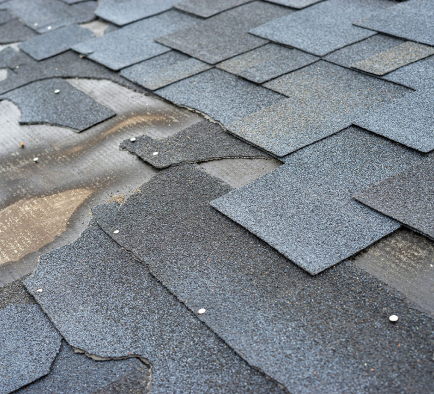
Northville winters don't ease up. From mid-November into early April, this area cycles through heavy snow, freezing rain, wind, and repeated temperature changes that put real stress on residential roofs. When a shingle tears loose, flashing separates, or a leak opens up near a chimney or valley in the middle of a storm, waiting is not an option. Older homes, and there are plenty of them here given that much of the housing dates back to the 1970s and beyond, are especially exposed. Shingles that have been through decades of Michigan winters can fail quickly once a storm finds a weak spot.
Emergency roof tarping is the fastest way to protect your home while a permanent repair is being arranged. A properly secured tarp covers the damaged area, keeps rain and snow out, and gives you time to plan the right fix without more water finding its way into your attic or living space. That gap matters in Northville Township, where permit review for roof work can take 2 to 3 weeks before a repair can begin.
Paramount Roofing works with homeowners across Northville to get tarps installed quickly after storm damage, sudden leaks, or aging roofs that give out without warning. The goal is simple: stop the damage from spreading until the roof can be properly repaired.
When part of a roof is suddenly exposed, temporary protection gives you time to address the underlying damage without leaving the home open to the weather. Paramount Roofing starts with the immediate risk, secures the affected area, and then works through the condition of the roof and the next repair steps.
Not every part of a roof is equally vulnerable when a storm moves through. In Northville, where a large share of homes were built decades ago, certain areas tend to give out first, and knowing where leaks are most likely to start can help you act faster when something goes wrong.
| Failure Point | Why It Fails | Tarping Priority |
|---|---|---|
| Valleys | Water and snow concentrate here, accelerating wear on aging shingles and underlayment | High |
| Chimneys and flashing | Repeated temperature changes loosen seals and pull flashing away from masonry over time | High |
| Skylights and vents | Deteriorating seals and worn collars allow water to track inward, especially during ice storms or freeze/thaw cycles | High |
| Roof edges and drip edge | Wind-driven rain and ice damming push water under the roofing material along low edges | Moderate |
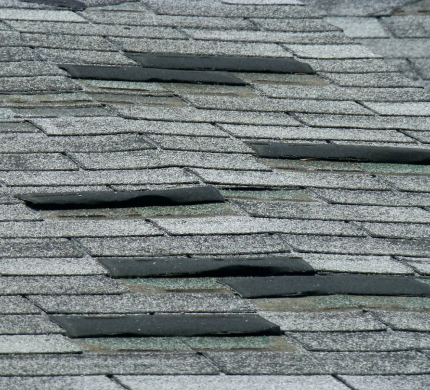
| Worn or missing shingles | Older roofing systems lose granules and become brittle, leaving the roof deck exposed after windstorms | Moderate to High |
A tarp placed over the right area quickly can mean the difference between a straightforward repair and a much larger project. Getting coverage on these vulnerable spots fast is exactly what emergency tarping is designed to do.
Not all tarps hold up the same way under heavy snow, freezing rain, and gusty Michigan winds. Paramount Roofing uses thick, reinforced tarps rated to handle real weather conditions, so the protection in place over your home is not just a temporary piece of plastic waiting to fail at the first strong gust.
A tarp that shifts or peels back during a windstorm offers almost no protection. Every tarp installation includes fastening methods designed to hold the cover firmly against the surface of the roof, keeping edges sealed and reducing the chance of wind catching the material and pulling it loose overnight.
Tarping coverage is sized to extend well beyond the visibly damaged section, not just over the spot that is actively leaking. That extra coverage matters because water rarely stays in one place on a sloped roof, and a tarp that only covers the obvious damage can still allow leaks to develop a few feet away.
Because roof repair permits in Northville Township can take 2 to 3 weeks to clear, a properly installed tarp gives your home reliable short-term protection during that window. The goal is to keep your roof dry and stable from the day the tarp goes on until a permanent repair crew can get started.
Michigan's long stretch of cold, wet weather leaves little room for a damaged roof to sit unprotected. Whether the problem showed up after a late-winter ice storm or a sudden windstorm in the middle of the night, getting a tarp in place quickly is what keeps a small breach from turning into a much larger repair. For homes that have been through decades of Michigan seasons, that window between damage and permanent repair is when protection matters most.
Paramount Roofing is ready to respond when you need it. If you have a roof that has been damaged or is actively leaking, reaching out sooner gives your home the best chance of coming through the wait for permanent repairs without further damage. We are here to help you take that next step with confidence.
Got questions about your roof? We’ve got answers. From maintenance tips to insurance claims and repair timelines, our FAQ section covers the most common concerns homeowners have. Get informed and make confident decisions about protecting your home.
A properly installed, heavy-duty tarp can hold up through weeks of snow, freezing rain, and wind if it’s fastened correctly and sized to extend well beyond the damaged area. That said, tarps are a short-term solution, not a permanent one, and they do require a quick check after major storms to confirm nothing has shifted. If your repair timeline stretches into the snowiest stretch of late winter, staying in contact with your contractor about tarp condition is a smart habit.
It does, and this is something many homeowners do not think to ask. On older roofs, particularly those built in the 1970s and 1980s, the roof decking and underlayment can be brittle or partially deteriorated, which affects how and where fasteners can be placed without causing additional damage. A contractor familiar with mixed-age housing, like what is common throughout Northville and Northville Township, will account for that during installation rather than treating every roof the same way.
Ice dams create a specific challenge because they trap water behind a frozen ridge at the roof edge, forcing moisture under shingles and into the roof deck. A tarp installed over active ice damming needs to extend far enough down the slope to cover where the water is backing up, not just the visible damage higher on the roof. Skipping that step is one of the more common mistakes that allows leaks to continue even after a tarp is in place.

#1 Top Rated
100% Satisfaction Guarantee
2100+ Projects Completed
Your Local Roofing Experts in Romeo, MI