Request Service
 Locations

- 100+ Years Of Combined Experience
- BBB Accredited With A+ Rating
- Award-Winning Roofing Company In Metro Detroit


 Free Estimate
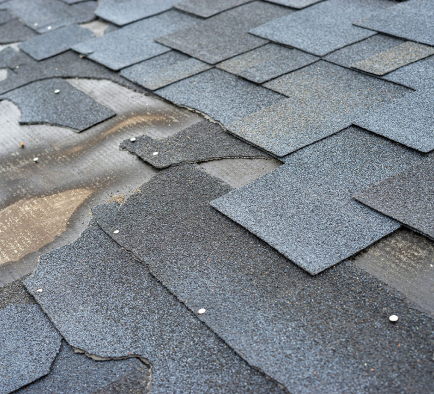
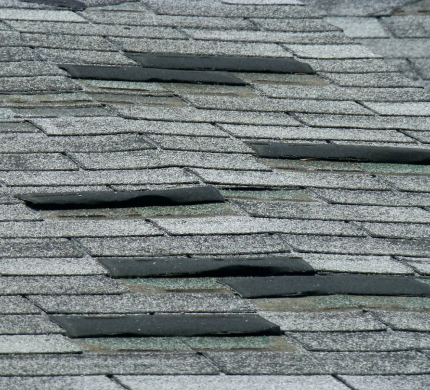
Dearborn winters are hard on roofs. Between snowfall that piles up from late fall through early spring, sharp temperature changes that work against aging shingles and flashing, and spring thunderstorms that can push wind gusts around 60 mph through Wayne County, the conditions here can expose weak spots fast. Many homes in Dearborn were built in the mid-20th century, and older roofing materials don't always hold up when a storm tears off shingles, lifts flashing, or sends debris into a roof’s surface. Once that happens, every hour of delay means water is finding its way in, and in a city where homes sit close together, a roof breach can spread damage to attached garages, shared walls, and interior ceilings before you've even had a chance to call for help.
Emergency roof tarping is the fastest way to stop that damage from getting worse. A properly secured tarp covers the exposed area, keeps rain and snow out, and buys you the time needed to move into permanent repairs without rushing into decisions. Paramount Roofing works with Dearborn homeowners to get that protection in place quickly, whether the problem is a missing shingle section, lifted flashing around a chimney or vent, or an active leak showing up as ceiling stains. Temporary tarping stabilizes your roof before any permitted repair work begins, which is the right order of operations when your home needs both fast protection and a lasting fix.
Emergency tarping is about protecting an exposed roof quickly while giving you a clearer path toward permanent repairs. Paramount Roofing focuses first on the immediate threat, then evaluates the damage and helps coordinate the work needed to restore the roof.
Dearborn's weather shifts put real pressure on roofs throughout the year, and the type of threat changes with the season. Knowing which conditions create the most urgent tarping situations can help you act fast when something goes wrong.
| Season | Common Roof Threats | Tarping Priority |
|---|---|---|
| Spring | Heavy rain, thunderstorm wind gusts, quarter-size hail | Fast cover over punctures, lifted shingles, and open flashing |
| Summer | Fast-moving storms, debris impact, roof valley pooling | Wind-resistant anchoring to prevent tarp uplift during downpours |
| Fall | Sharp temperature changes, aging shingles loosening at edges | Early cover to prevent small openings from widening before winter |
| Winter | Snow accumulation, meltwater refreezing at gaps and edges | Sealed coverage around chimneys, vents, and low-slope sections |
No matter the season, the areas that fail first on older Dearborn homes tend to be the same: flashing transitions, roof edges, skylights, and anywhere a gap meets the surface of the roof. In a densely built neighborhood, a breach in any of those spots can push water into attached structures and finished interior spaces faster than you might expect. Getting a tarp in place quickly limits how far that damage travels.
Not all tarps are the same, and the ones we use are rated to hold up against Dearborn's full range of weather conditions, from winter snow accumulation to summer downpours with strong wind gusts. Using the right material means your temporary cover stays in place and keeps doing its job until permanent repairs are complete.
Older Dearborn homes often have a mix of roof pitches, including steep main roofs, flat garage additions, and low-slope porch areas, and each one requires a different anchoring approach to keep the tarp from shifting or lifting. We adapt the fastening method to your specific roof layout so the cover holds regardless of the surface it's protecting.
Chimneys, vents, skylights, and flashing transitions are the spots most likely to let water in after storm damage, and they also happen to be the hardest areas to cover correctly with a tarp. We fit protection tightly around these gaps rather than simply laying a tarp over them, which reduces the chance of water finding a path around the edges while you wait for the permanent fix.
In Dearborn's densely built neighborhoods, a roof breach on your home can quickly send water into an attached garage, a shared wall, or a neighboring roofline if it isn't contained fast. Our tarping covers the breached area in a way that accounts for how water travels across your specific roof layout, reducing the risk that damage spreads beyond the original problem area before repairs begin.
Dearborn's weather doesn't give you much buffer time when a roof is exposed. Whether the damage happened during a winter snowstorm or a fast-moving summer storm, the longer an opening sits uncovered, the more water works its way into your home's walls, ceilings, and attached structures. Getting a tarp secured quickly protects your home and keeps the scale of repairs manageable, which matters a lot when you're dealing with an older house and the repair costs that can follow a slow response.
If your roof has been damaged and you're seeing signs of an active leak or missing coverage, Paramount Roofing is ready to help you get it protected. Reach out when you're ready, and we'll walk you through what comes next.
Got questions about your roof? We’ve got answers. From maintenance tips to insurance claims and repair timelines, our FAQ section covers the most common concerns homeowners have. Get informed and make confident decisions about protecting your home.
A properly anchored heavy-duty tarp can handle snow accumulation, but the installation method matters a lot. In Dearborn winters, where temperatures can drop into the teens and meltwater can refreeze at roof edges and gaps, a tarp that isn't tensioned and secured correctly can shift, pool, or allow water to work underneath it. We anchor tarps with your specific roof pitch and exposure in mind so the cover stays effective even if another storm moves through before the permanent fix is done.
Yes, and it's one of the first things we factor in on densely built lots like many in Dearborn. When a roof breach sits near a shared wall or the transition point between a main roof and an attached structure, water can travel along rafters and framing in ways that aren't obvious from the outside. We size and position the tarp to account for how runoff moves across your specific roof layout, not just the spot where damage is visible.
Emergency temporary tarping is generally treated separately from permitted repair work in Michigan. The tarp is there to protect the structure while you move into the planning and permitting process for the actual fix. Where things get more involved is if the tarping reveals damage that goes beyond surface repairs and into structural framing, because that can change the scale of what requires a permit and inspection before the roof is closed back up. We document what we find during the inspection step so that nothing is missed when the permitted work is submitted.

#1 Top Rated
100% Satisfaction Guarantee
2100+ Projects Completed
Your Local Roofing Experts in Romeo, MI