 Free Estimate
 Request Service
 Locations
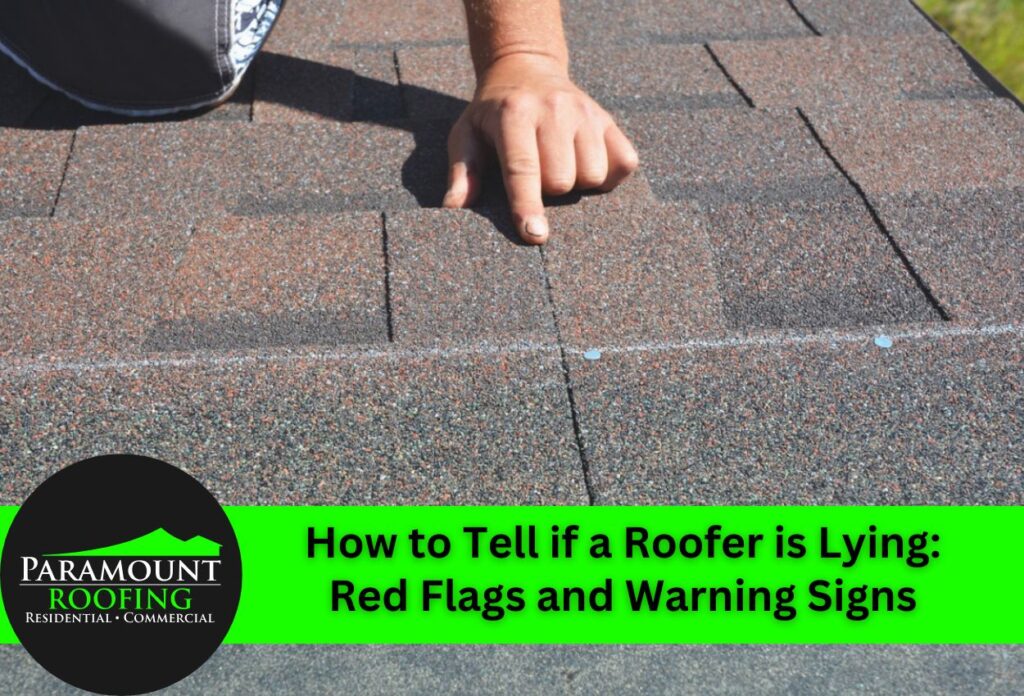
Homeowners face a challenging reality when dealing with roofing contractors: distinguishing between honest professionals and those who use deceptive practices to exploit vulnerable situations. Dishonest roofing contractors have perfected tactics designed to pressure homeowners into hasty decisions, often creating artificial emergencies that serve their financial interests rather than addressing genuine repair needs.
Understanding how to tell if a roofer is lying requires recognizing the difference between legitimate urgent repairs and a manufactured crisis. Scammers frequently appear after storms or severe weather, claiming immediate action is necessary to prevent catastrophic damage. These roofing scam warning signs often include high-pressure sales tactics, demands for full payment up front, and refusal to provide proper documentation or credentials.
Red flags in roofing estimates commonly include prices that are significantly below or above the market rate, vague descriptions of the work needing to be performed, and a reluctance to provide references from recent customers. Roof inspection fraud typically involves contractors who “discover” problems that don’t actually exist or exaggerate minor issues to justify expensive repairs.
Protecting yourself from deceptive practices requires knowing proper roofing contractor credentials, understanding standard industry practices, and recognizing manipulation tactics that dishonest operators use to rush homeowners into signing contracts before they can conduct proper research or seek second opinions.
Red Flags in Roofing Estimates and Pricing
Estimates significantly below competitors’ usually indicate corner-cutting practices, substandard materials, or hidden costs that emerge after work begins. These artificially low bids attract unsuspecting homeowners who believe they’ve found exceptional value, only to face escalating expenses once the contractor has secured the job. Conversely, dramatically inflated estimates often target homeowners in vulnerable situations, exploiting emergencies or insurance claims to maximize profits.
Vague or incomplete written estimates represent another critical warning sign when determining how to tell if a roofer is lying about their intentions. Legitimate contractors provide detailed breakdowns including specific material brands, quantities, labor descriptions, project timelines, and cleanup procedures. Dishonest operators deliberately keep estimates vague to avoid accountability and create opportunities to change the size of the job, which inflates the final cost.
Missing permit information, warranty details, or liability coverage specifications in written estimates indicate potential roof inspection fraud or unlicensed operations. Professional roofers understand that documentation protects both parties and demonstrates their commitment to quality workmanship and legal compliance throughout the entire project.
Door-to-Door Sales Tactics That Could Signal Dishonesty
Dishonest roofing contractors frequently employ aggressive door-to-door sales strategies that target unsuspecting homeowners with manufactured urgency and false scarcity claims. These traveling crews often appear unannounced, claiming they have leftover materials from a nearby job and can offer significant discounts if homeowners sign contracts immediately.
High-pressure tactics represent a clear roofing scam warning sign that homeowners should recognize and avoid. Legitimate contractors rarely conduct business through unsolicited door-to-door visits, instead building their reputation through referrals and established community presence. When learning how to tell if a roofer is lying, pay attention to contractors who refuse to allow time for consideration or consultation with family members before signing agreements.
Storm chasers are particularly dangerous threats following severe weather, appearing quickly after hail or wind damage to capitalize on homeowner vulnerability. These operators often lack proper local licensing and disappear once they collect payment, leaving homeowners with substandard work and no solutions for problems. Storm chasers typically include demands for immediate signatures, cash payments, or insurance claim assignments.
Roof inspection fraud becomes more prevalent when contractors create artificial time constraints or claim limited material availability. Professional roofing contractors understand that quality work requires proper planning, permits, and scheduling, never pressuring homeowners into hasty decisions that benefit only the contractor’s immediate financial interests rather than long-term customer satisfaction.
How to Verify Roofing Contractor Credentials
Proper documentation separates legitimate roofing professionals from dishonest roofing contractors attempting to exploit unsuspecting homeowners. Essential credentials include current state licensing, liability insurance certificates, workers’ compensation coverage, and local business registration that can be independently verified through official government databases.
Valid roofing contractor credentials should include specific license numbers, expiration dates, and insurance policy details that homeowners can confirm directly with issuing agencies. Scammers often present fake or expired documentation, counting on homeowners to accept certificates without verification. When determining how to tell if a roofer is lying about their credentials, contact licensing boards and insurance companies directly to confirm active coverage and good standing status.
Reference verification provides important insights into contractor reliability and work quality. Legitimate professionals readily provide recent customer contacts and encourage homeowners to inspect completed projects. Roofing scam warning signs include a reluctance to provide references, an inability to show local work examples, or references that cannot be reached or verified through independent means.
Researching the company’s reputation online, through Better Business Bureau ratings, Google reviews, and industry association memberships, reveals patterns that indicate trustworthiness or potential red flags. Professional contractors maintain consistent positive feedback, address complaints professionally, and demonstrate long-term community involvement rather than appearing suddenly without established local presence or verifiable work history.
Spotting Fake Roof Damage Claims
Fake contractors often manipulate roof inspections to create problems where none exist or exaggerate minor issues into catastrophic emergencies. These dishonest roofing contractors employ specific techniques during inspections to manufacture damage, including loosening or removing perfectly good shingles, creating artificial wear patterns, or exaggerating the age of the roof, claiming there’s a serious structural problem that requires immediate replacement.
Understanding what legitimate roof damage actually looks like helps homeowners recognize when contractors are fabricating problems. Authentic hail damage shows consistent patterns across the entire roof surface with circular bruising on shingles, while manufactured damage often appears isolated or inconsistent. Wind damage creates specific lifting patterns along edges and ridges, whereas artificially created problems typically show random placement that doesn’t match natural weather patterns.
Roof inspection fraud becomes apparent when contractors claim extensive damage invisible from ground level but refuse to provide detailed evidence or allow homeowners to safely observe the inspection process. Legitimate professionals will welcome homeowner involvement and provide clear documentation of actual problems, explaining how damage occurred and why specific repairs are necessary.
Independent verification through second opinions from licensed contractors provides essential protection against false damage claims. When learning how to tell if a roofer is lying about the condition of your roof, seek multiple assessments before accepting expensive repair recommendations.
Contract and Payment Warning Signs
Contract terms reveal important information about contractor intentions and help homeowners identify dishonest roofing contractors before committing to potentially fraudulent agreements. Dangerous contract provisions that heavily favor contractors include demands for full payment up front, warranty exclusions, and clauses allowing unlimited cost increases during project completion without homeowner approval or justification.
Legitimate roofing contracts typically require modest down payments followed by progress-based payment schedules that protect both parties throughout the project timeline. When determining how to tell if a roofer is lying about standard practices, be wary of contractors demanding complete payment before work begins or materials arrive on site. Professional contractors understand that reasonable payment structures demonstrate good faith and provide homeowners with leverage to ensure quality workmanship.
Roofing scam warning signs in contracts can also include vague language about material specifications, timeline commitments, or cleanup responsibilities that allow contractors to avoid accountability for substandard performance. Honest professionals provide detailed agreements specifying the exact materials that will be used, the project milestones, and warranty terms that protect homeowner interests.
Unusual payment requests, such as cash-only transactions, demands for payment before permits are secured, or pressure to purchase materials before delivery, are big red flags. Legitimate contractors accept standard payment methods, handle permit acquisition professionally, and coordinate material delivery with project schedules rather than demanding advance payment for items not yet received or verified for quality and specifications.
Protecting Yourself from Roofing Scams
Taking proactive steps before signing any roofing contract provides the strongest defense against dishonest roofing contractors and their deceptive practices. Proper vetting procedures begin with verifying contractor credentials through official state licensing boards and insurance companies, ensuring all documentation remains current and valid before allowing any work to commence on your property.
Obtaining multiple estimates from different contractors reveals pricing patterns and helps identify red flags in roofing estimates that deviate significantly from market standards. Professional contractors welcome comparison shopping and understand that informed homeowners make better long-term customers. When learning how to tell if a roofer is lying, pay attention to those who discourage seeking additional opinions or claim their offers are only valid if signed immediately.
Documenting all interactions with contractors creates a paper trail that is valuable if disputes arise later. Take photographs of your roof before any inspection and maintain copies of all written communications. Warning signs of a scam can include contractors who avoid putting agreements in writing or refuse to provide detailed documentation of their findings and recommendations.
If you suspect deceptive practices, contact your local law enforcement, local Better Business Bureau, or consumer protection agencies immediately. These organizations track patterns of roof inspection fraud and can investigate suspicious contractor behavior. Be prepared to hand over any documented evidence of the fraud through photographs, written statements, and witness accounts that support potential legal action if contractor misconduct causes financial harm or property damage.
Ensure Honest Roofing Services with Paramount Roofing
If you’re navigating the tricky waters of roof repairs and installations, knowing the signs of dishonesty can save you both time and money. Be wary of roofers who pressure you into quick decisions by claiming urgent repairs are needed when the circumstances don’t warrant such urgency. Always compare the pricing and details provided in the estimates with those from other local contractors to spot any suspicious discrepancies.
At Paramount Roofing, we believe in transparency and integrity. Before you commit to any roofing project, allow us to provide a clear and fair estimate and inspection. Our credentials are readily available for your review, and we encourage you to ask questions and seek second opinions to give you better peace of mind.
Don’t fall victim to roofing scams. Call us today at (586) 690-0227 to schedule a trustworthy inspection or to discuss your roofing needs. Trust Paramount Roofing to provide honest and professional roofing services tailored to your specific needs.